
Initial Response and Scene Size-Up
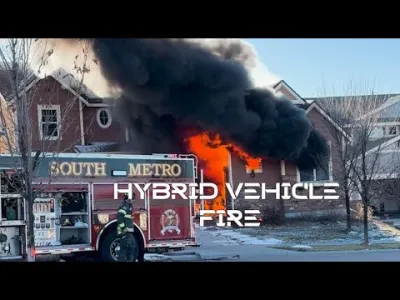
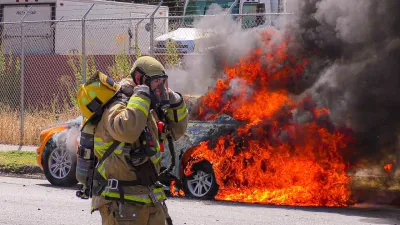
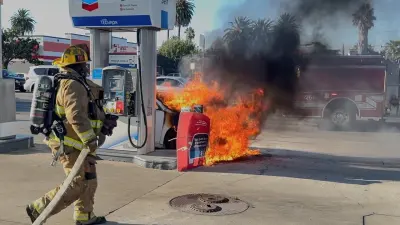
Light Force 61 from the Los Angeles Fire Department responding to an RV fire in Beverly Grove highlights the importance of rapid scene size-up during vehicle-related fire incidents. An RV fire is not the same as a standard passenger vehicle fire. Before committing too close to the incident, crews must consider the size of the vehicle, possible occupants, nearby exposures, traffic conditions, and hidden hazards.
When firefighters first arrive on scene, they look for the visible seat of the fire, smoke conditions, fire extension to nearby structures or vehicles, and any signs that someone may still be inside. RVs can contain propane cylinders, fuel, batteries, wiring, appliances, plastics, and lightweight interior materials that may increase fire spread and toxic smoke production.
Operational Considerations for RV Fires
RV incidents require a balanced approach: fast suppression, controlled access, and strong firefighter safety discipline. The first-arriving crew may need to stretch a hose line, protect exposures, control traffic, and identify utility or fuel hazards before overhaul begins.
- Establish a safe working area for firefighters, civilians, and apparatus.
- Check for propane tanks, batteries, fuel leaks, and electrical hazards.
- Protect nearby vehicles, buildings, vegetation, or overhead exposures.
- Use thermal imaging and careful overhaul to locate hidden fire extension.
- Maintain clear communication between fire attack, search, and incident command.
Training Takeaways for Firefighters
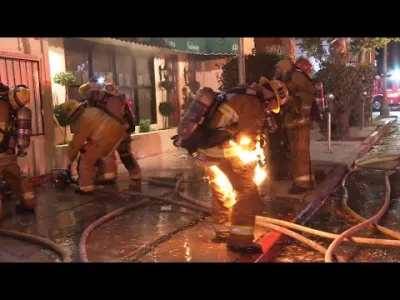
This type of response is a useful reminder that even smaller fire incidents can carry complex risks. RV fires may look routine at first, but limited access, stored fuel, and lightweight construction can quickly change the hazard profile. Firefighters should approach with full PPE and SCBA, avoid tunnel vision, and continue reassessing conditions as the incident develops.
For training purposes, the key lessons are simple: slow down enough to read the scene, identify fuel and utility hazards early, protect exposures, and position crews with a clear exit path. A strong initial size-up can prevent a small vehicle fire from becoming a more dangerous fireground operation.

Comments 0
No comments yet. Be the first to share your thoughts on this video!
Leave a Comment