
Firefighter Falls Through Floor During Interior Operations: Key Lessons
During an interior attack on a fire, a firefighter unexpectedly fell through a compromised floor, triggering a Mayday call. This incident underscores the critical need for constant situational awareness, thorough size-up, and adherence to safety protocols when operating in environments with potential structural instability.
Operational Context and Crew Actions
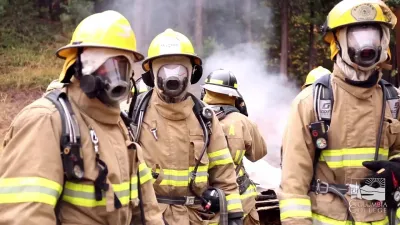
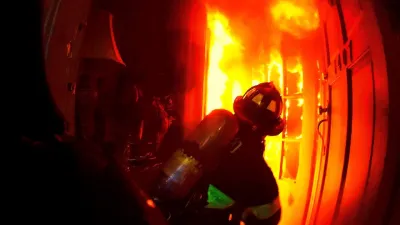
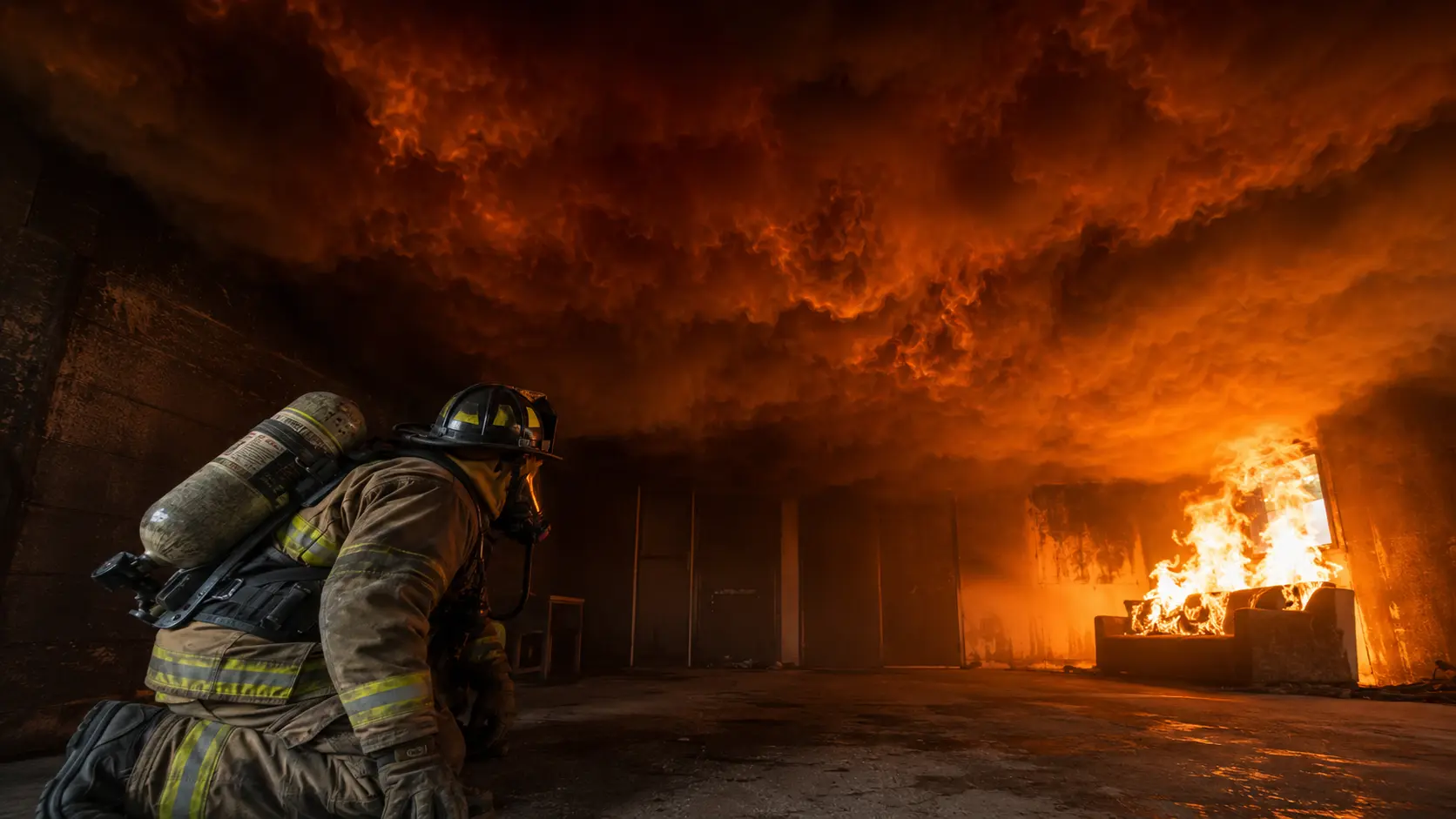
The crew was engaged in interior fire suppression when the floor beneath one member gave way. This type of structural failure often occurs in buildings weakened by fire, water, or previous damage. The firefighter’s fall required an immediate Mayday declaration, alerting command and Rapid Intervention Crew (RIC) to initiate rescue operations. The use of full PPE and SCBA ensured the downed firefighter maintained respiratory protection despite the compromised environment.
Incident command prioritized crew accountability and established a rescue plan, coordinating efforts between interior crews and RIC teams. This scenario highlights the importance of maintaining communication, monitoring structural hazards, and preparing for rapid extraction in high-risk areas.
Lessons for Fireground Safety and Risk Management
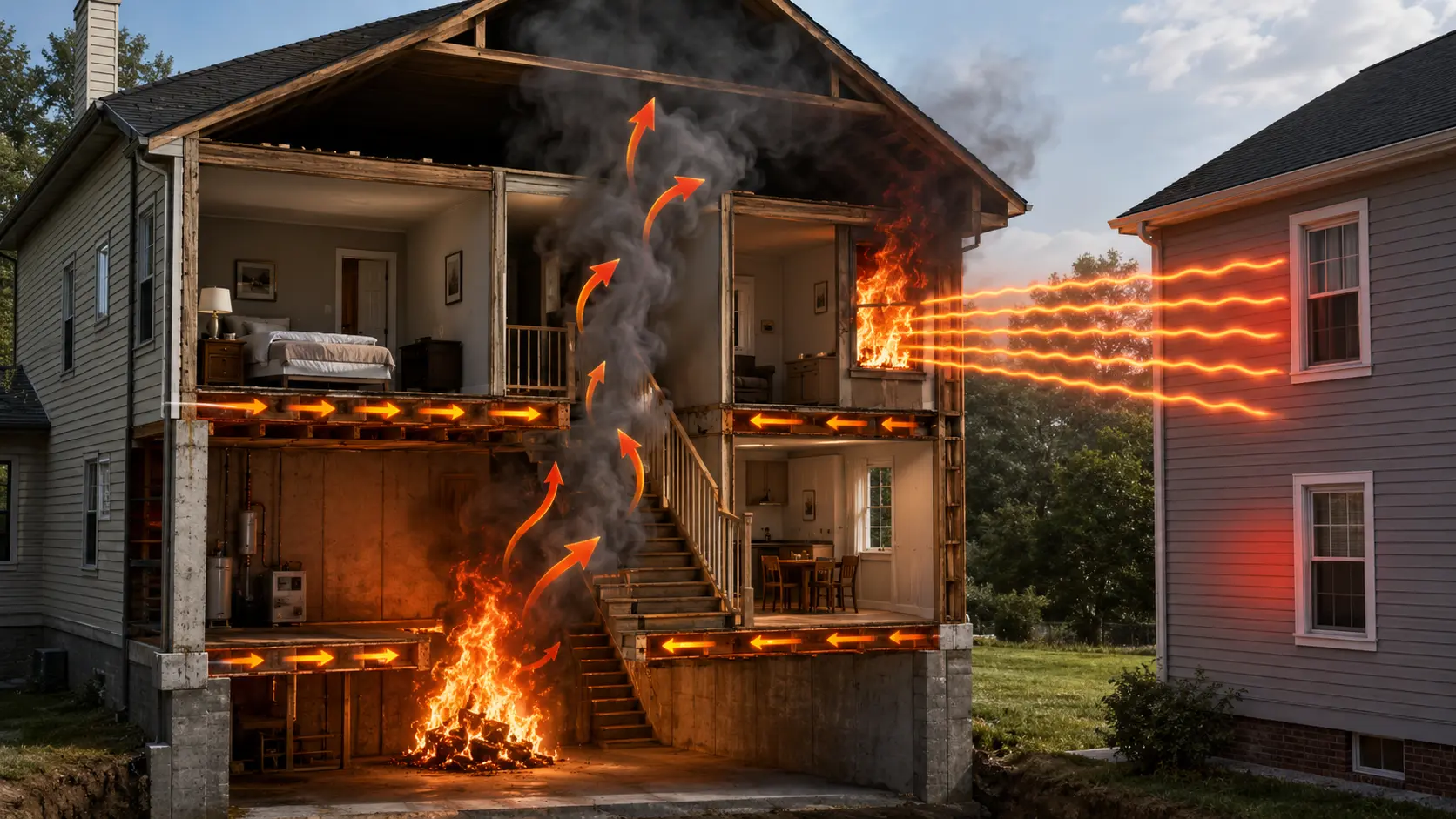
Floor collapse incidents demand heightened vigilance regarding structural integrity during interior operations. Crews should continually assess conditions and avoid operating directly over or near weakened floors without proper support or reconnaissance. The prompt Mayday call and response demonstrate the effectiveness of training and protocols designed to protect firefighters in emergencies.
In summary, this event reinforces the necessity for crews to remain alert to changing conditions, communicate effectively, and execute established rescue procedures swiftly. Understanding the risks of structural collapse and preparing for rapid intervention can save lives on the fireground.
About This Video
This 19:15 Fire-science video covers Firefighter Mayday: Floor Collapse Incident and Emergency Response. Topics include: floor collapse, mayday, firefighter safety, structural integrity, interior attack, rapid intervention crew, PPE, SCBA, incident command, crew accountability.
Related Resources
Explore related firefighter Fire-science guides, free firefighter tools and the hazmat reference hub.
Training Note
All videos on AllFirefighter are curated for training and operational awareness. Always follow your department SOP/SOG and consult current standards before applying any technique on the fireground.
Comments 0
No comments yet. Be the first to share your thoughts on this video!
Leave a Comment