
Fire Science Training and Its Impact on Fireground Operations
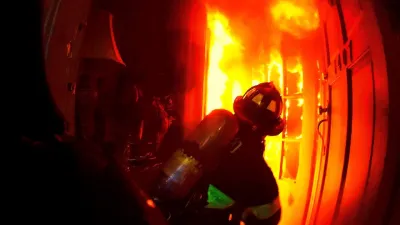
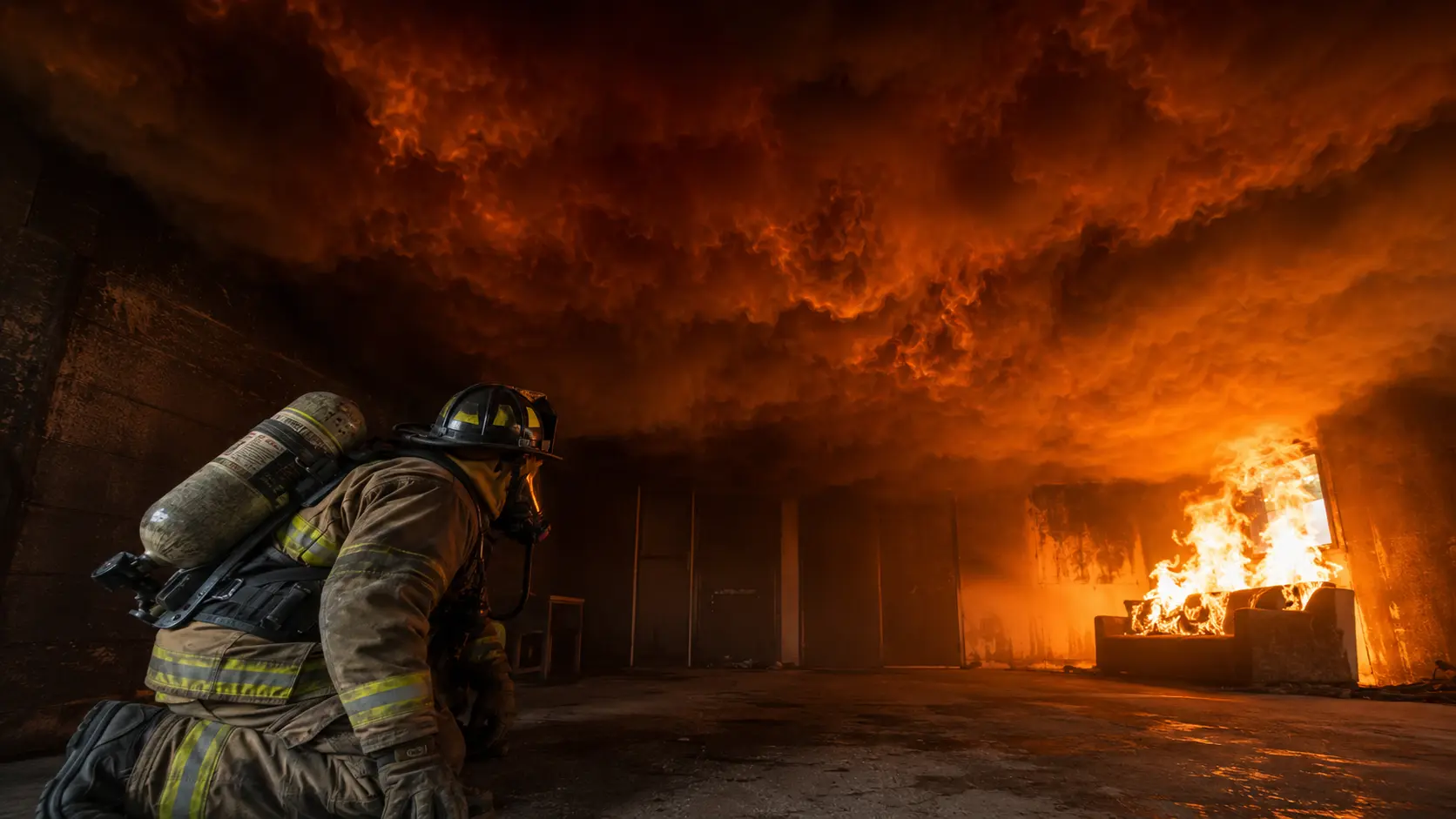
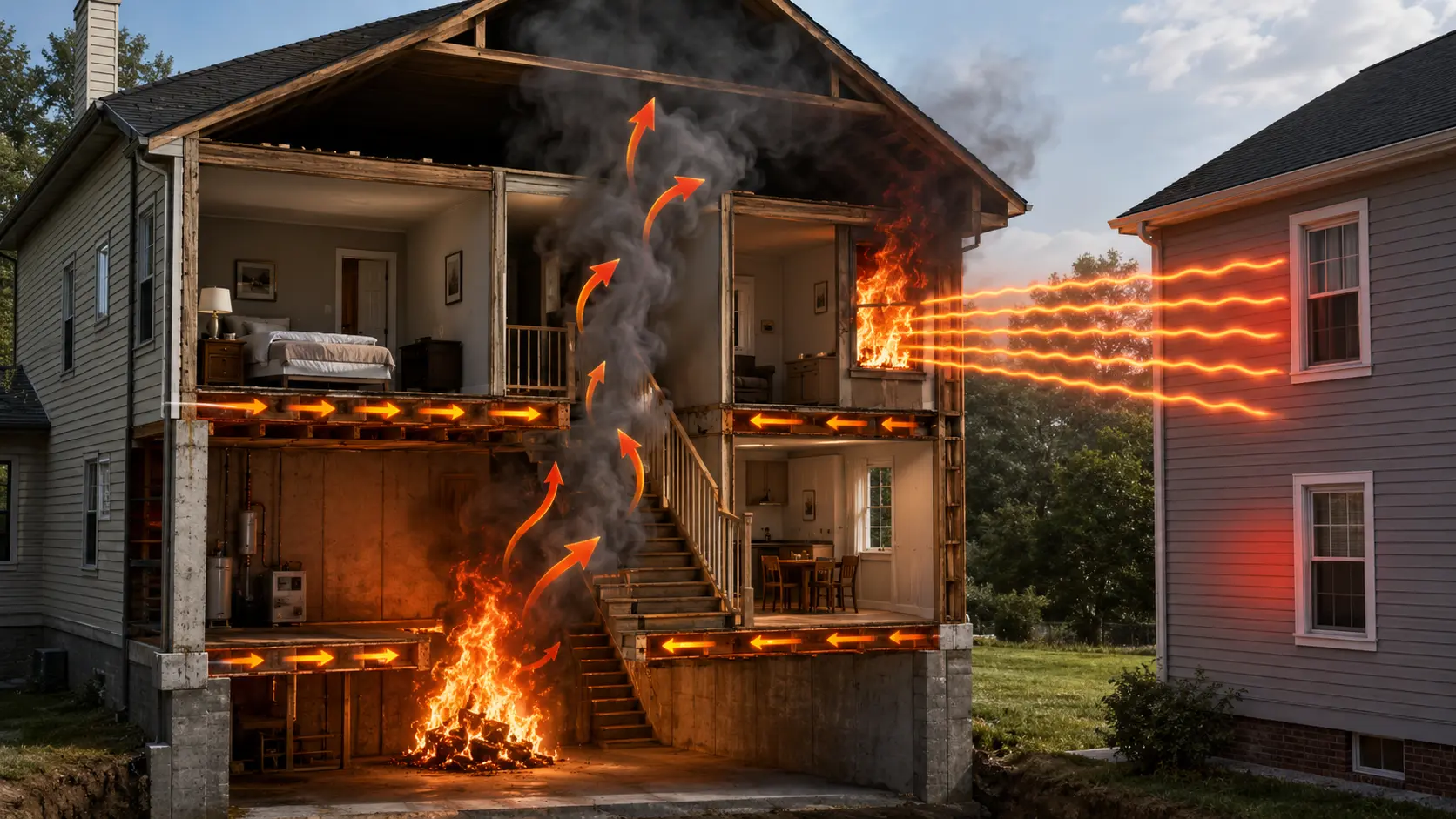
Fire science programs, such as those offered at Columbia College, provide essential knowledge that directly supports effective fireground operations. These programs cover fire behavior, building construction, fire prevention, and tactical decision-making, all critical for firefighters and officers engaged in interior attack and incident command. Understanding the science behind fire dynamics assists crews in anticipating fire spread, selecting appropriate ventilation techniques, and ensuring firefighter safety through proper use of PPE and SCBA.
Enhancing Crew Readiness Through Applied Fire Science
Firefighters trained in fire science are better equipped to assess risks and implement tactics that minimize hazards. Knowledge gained from such programs informs decisions on hose line placement, ventilation timing, and search and rescue operations. Fire science education also emphasizes the importance of communication and coordination among crews, which is vital for maintaining accountability and situational awareness during complex incidents.
Operational Lessons from Academic Fire Science
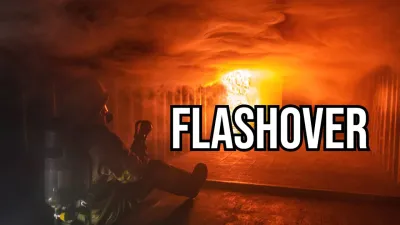
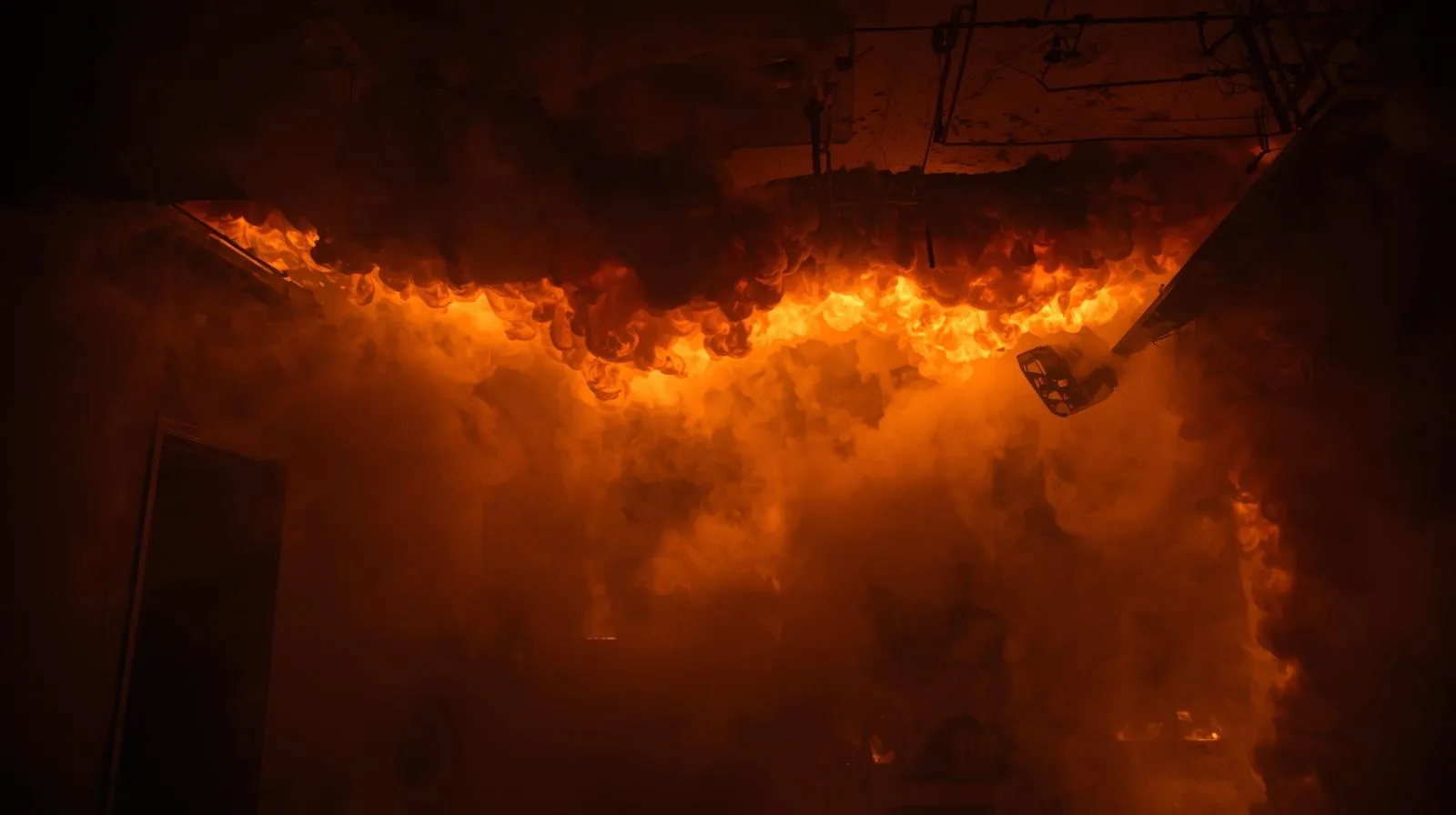
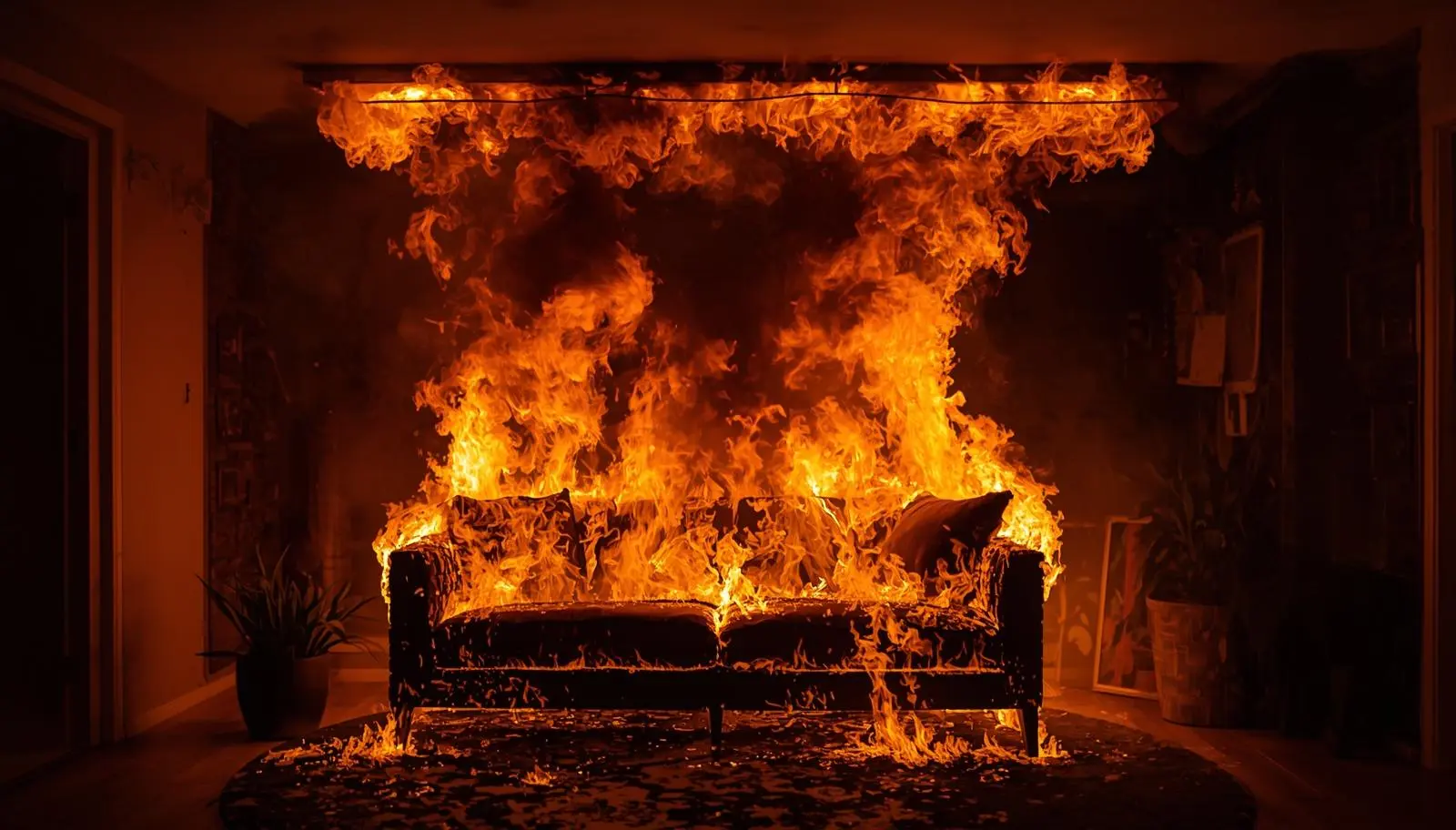
Integrating academic fire science into daily training helps bridge the gap between theory and practical application. For example, understanding thermal layering and flashover conditions enables firefighters to recognize signs of imminent danger and adjust their tactics accordingly. Additionally, fire science education supports incident commanders in developing effective strategies by providing a scientific basis for risk assessment and resource allocation. Ultimately, this knowledge contributes to safer and more efficient fireground operations.
About This Video
This 01:14 Fire-science video covers Operational Insights from Fire Science Training at Columbia College. Topics include: fire science, firefighter training, fireground operations, fire tactics, crew readiness, fire behavior, incident command, PPE, SCBA, ventilation.
Related Resources
Explore related firefighter Fire-science guides, free firefighter tools and the hazmat reference hub.
Training Note
All videos on AllFirefighter are curated for training and operational awareness. Always follow your department SOP/SOG and consult current standards before applying any technique on the fireground.
Comments 0
No comments yet. Be the first to share your thoughts on this video!
Leave a Comment