
How Fire Hydrants Function in Fireground Water Supply
Fire hydrants are a fundamental component of firefighting operations, providing the critical water source necessary for effective fire suppression. Understanding their operation is essential for all firefighters, from recruits to officers, to ensure a reliable and efficient water supply during incidents.
Fire Hydrant Mechanics and Connection Procedures
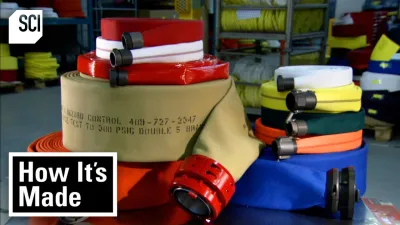
Fire hydrants are connected to a municipal water distribution system and are designed to provide high flow rates under pressure. When a hydrant is opened, water flows from underground mains through the hydrant outlet. Fire crews must first remove the hydrant cap and attach the appropriate hose or supply line, typically a large-diameter supply hose, ensuring a secure connection to prevent leaks or pressure loss. Proper use of hydrant wrenches and adherence to PPE protocols during connection are crucial for safety and efficiency.
Operational Considerations on the Fireground
Once connected, the pump operator on the fire apparatus will draft water from the hydrant or receive pressurized water directly, depending on the system. The pump operator must coordinate with the crew to maintain adequate pressure and flow to attack lines. Understanding the hydrant's flow capabilities and potential limitations, such as residual pressure or hydrant condition, informs tactical decisions. Regular hydrant inspections and maintenance also play a role in ensuring hydrants perform reliably when needed.
Firefighters should remain aware of the hydrant's location, accessibility, and potential obstructions during an incident to facilitate quick connection and sustained water supply. Mastery of hydrant operations contributes directly to effective fire attack, safety, and overall incident management.
About This Video
This 04:31 Fire-science video covers Understanding Fire Hydrant Operation for Effective Fireground Water Supply. Topics include: fire hydrants, water supply, fireground operations, firefighting tactics, hydrant connection, pump operations, fire apparatus, fire hose, incident command, water flow, hydrant maintenance.
Related Resources
Explore related firefighter Fire-science guides, free firefighter tools and the hazmat reference hub.
Training Note
All videos on AllFirefighter are curated for training and operational awareness. Always follow your department SOP/SOG and consult current standards before applying any technique on the fireground.


Comments 0
No comments yet. Be the first to share your thoughts on this video!
Leave a Comment