
Applying the PASS Method for Portable Fire Extinguisher Use
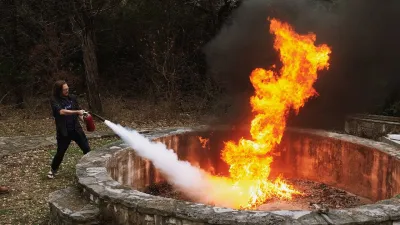
Portable fire extinguishers remain a critical tool for initial fire attack and small fire suppression on the fireground. Understanding and correctly applying the PASS method—Pull, Aim, Squeeze, Sweep—ensures that firefighters and crew members can operate extinguishers safely and effectively. This article breaks down each step and highlights operational considerations when deploying a portable extinguisher.
Operational Breakdown of the PASS Method
The first step, Pull, involves removing the safety pin or tamper seal to enable discharge. This action must be done deliberately while maintaining situational awareness and full PPE, including SCBA if smoke conditions warrant. Next, Aim requires directing the nozzle or hose at the base of the fire, targeting the fuel source rather than flames to maximize suppression efficiency. Proper stance and positioning are essential to maintain control and avoid exposure.
Squeeze entails depressing the handle or lever to release the extinguishing agent. Firefighters must control the flow steadily, avoiding abrupt bursts that can reduce effectiveness. Finally, Sweep directs a side-to-side motion across the fire’s base to ensure thorough coverage and extinguishment. Continuous evaluation of fire behavior and readiness to retreat if conditions worsen are critical during this phase.
Operational Significance and Lessons Learned
While portable extinguishers are limited in capacity and duration, correctly applying the PASS method can prevent small fires from escalating and provide critical time for backup crews to arrive. Firefighters must remain aware of extinguisher type compatibility with the fuel involved and always maintain a clear egress route. Additionally, integrating extinguisher use within overall incident command and communication protocols enhances safety and effectiveness.
In summary, mastery of the PASS method supports rapid, controlled fire suppression on the fireground. Firefighters and officers should regularly review and practice these steps to ensure proficiency under pressure and contribute to overall crew safety and operational success.






Comments 0
No comments yet. Be the first to share your thoughts on this video!
Leave a Comment