
Ceiling Fire in Ski Resort Bar: Operational Overview
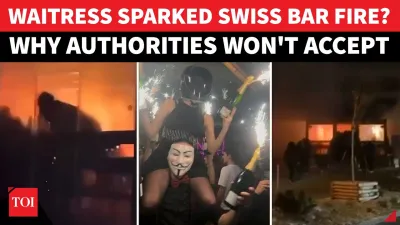
Fire crews responded to a rapidly developing fire originating in the ceiling of a ski resort bar, a high-occupancy venue with young patrons. The fire's location in the concealed space above the ceiling created significant challenges for fire attack and ventilation operations. Understanding the fire behavior in such void spaces is critical for controlling fire spread and protecting occupants.
Fire Behavior and Tactical Considerations
The fire in the ceiling void likely allowed rapid flame and smoke spread above the main assembly area, complicating interior conditions. Firefighters must anticipate potential extension through concealed spaces, which can lead to flashover or structural compromise. Early recognition of smoke conditions and thermal indicators is essential to adjust tactics, including deploying crews to access and extinguish the fire above the ceiling. Coordinated ventilation, both vertical and horizontal, is necessary to release heat and improve visibility for interior crews, but must be balanced against potential fire growth if not timed correctly.
Occupant Safety and Fireground Coordination
High occupant density and limited egress routes in entertainment venues increase the risk to civilians. Fire officers must ensure rapid evacuation while managing fire attack and ventilation. Communication between interior crews, command, and support units is vital to maintain situational awareness. Proper use of PPE and SCBA protects firefighters operating in smoke-filled environments. This incident underscores the importance of pre-incident planning for similar occupancies, including knowledge of building layout, concealed spaces, and ventilation options to improve operational effectiveness and reduce casualties.
About This Video
This 03:41 Fire-safety video covers Fire in Ski Resort Bar Ceiling: Key Operational Lessons for Firefighters. Topics include: firefighting, structural fire, ski resort fire, ceiling fire, ventilation, fireground tactics, firefighter safety, interior attack, fire spread, PPE, SCBA.
Related Resources
Explore related firefighter Fire-safety guides, free firefighter tools and the hazmat reference hub.
Training Note
All videos on AllFirefighter are curated for training and operational awareness. Always follow your department SOP/SOG and consult current standards before applying any technique on the fireground.

Comments 0
No comments yet. Be the first to share your thoughts on this video!
Leave a Comment