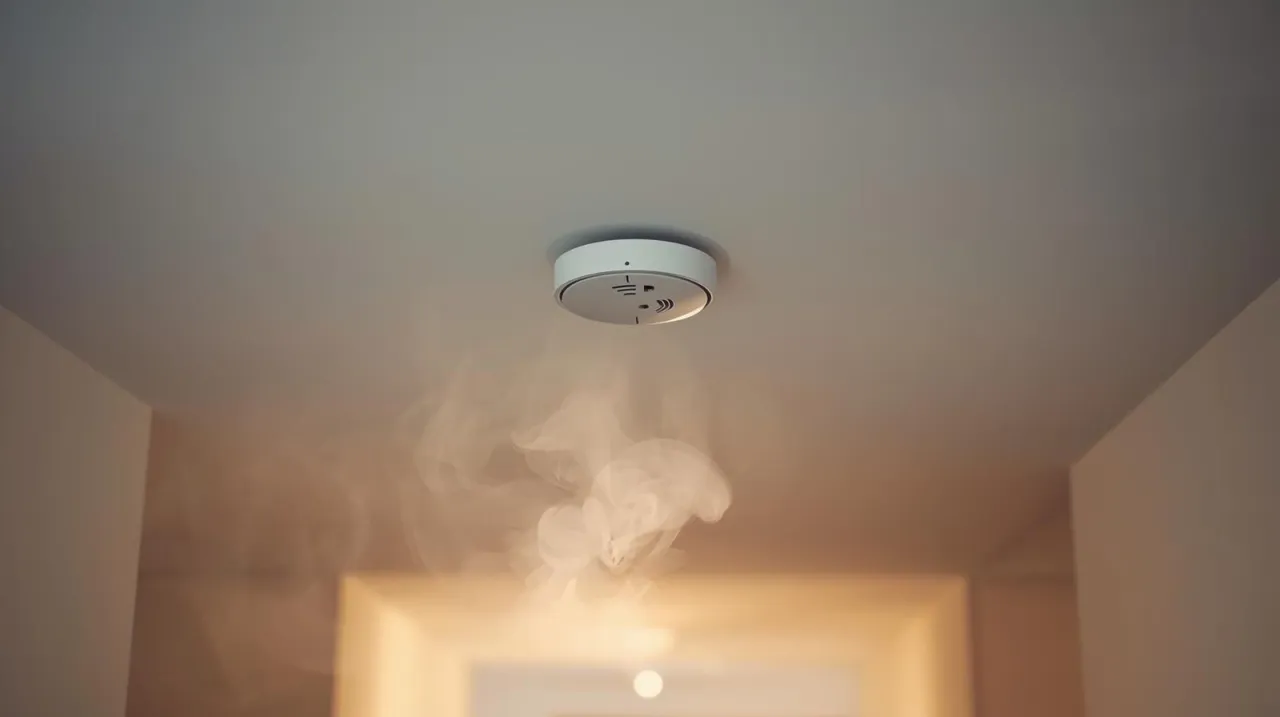

The Problem With Most Home Smoke Alarm Setups
According to the National Fire Protection Association, roughly three of every five home fire deaths occur in homes with no smoke alarms or non-functioning smoke alarms. Of the homes that do have alarms, a significant portion have them in the wrong locations, have dead batteries, or have units older than their 10-year service life. Having a smoke alarm is not the same as having adequate smoke alarm coverage.
This guide covers exactly where NFPA 72 requires alarms to be placed, room-by-room placement specifics, which type of alarm to use where, and the common placement mistakes that reduce or eliminate early warning time — the single most critical factor in residential fire survival.
NFPA 72 Minimum Requirements: The Baseline
NFPA 72, the National Fire Alarm and Signaling Code, establishes the minimum placement requirements for residential smoke alarms. These are the legal minimums for new construction and the safety baseline for existing homes:
- Every level of the home — including basements and finished attics used as living space
- Inside every sleeping room — inside the room where people sleep, not just outside
- Outside every separate sleeping area — in the hallway or open area adjacent to bedrooms
Room-by-Room Placement Guide
Bedroom
- One alarm inside each sleeping room — required by NFPA 72
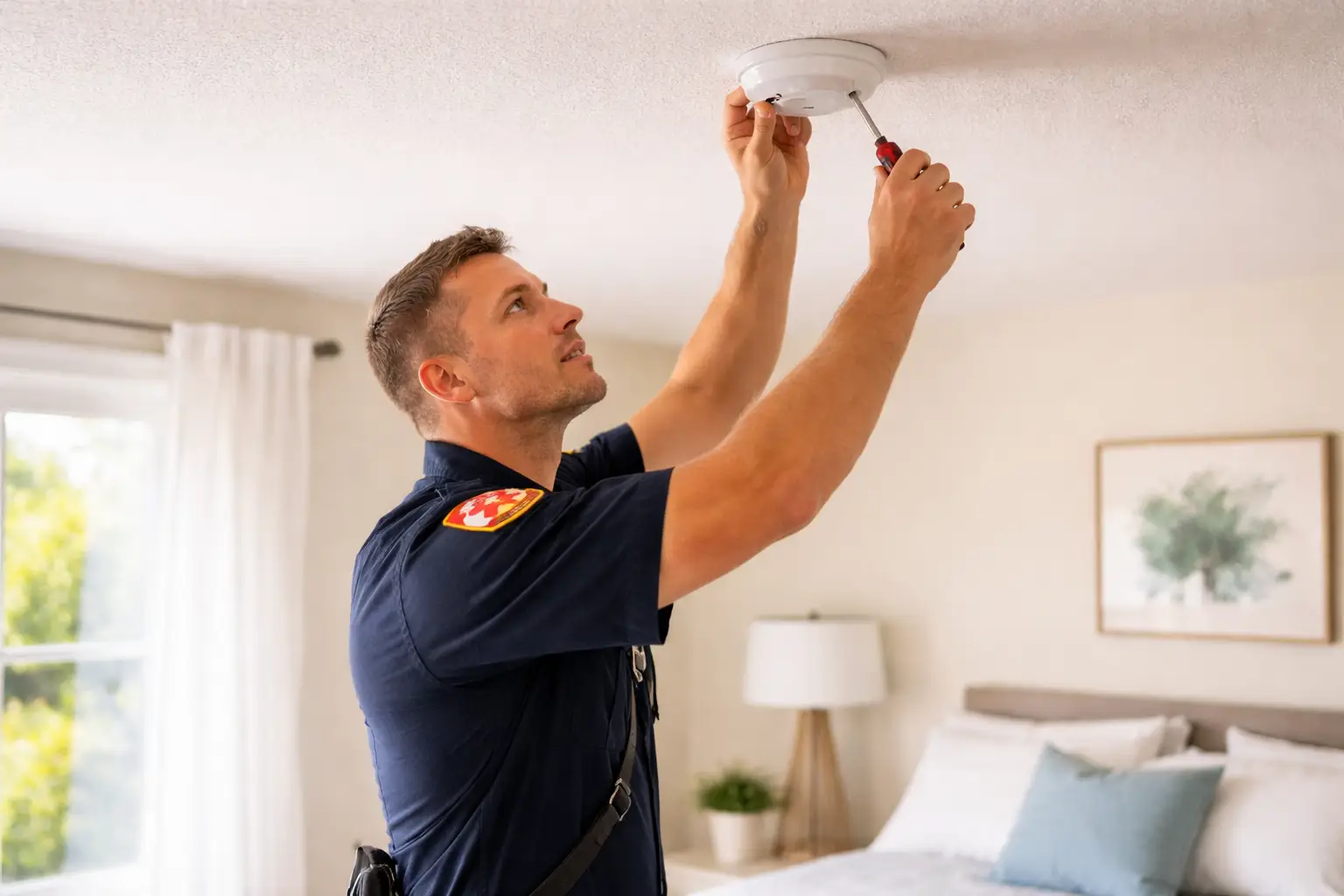
- Mount on ceiling, as close to center as practical
- If ceiling mounting isn't possible, mount on wall 4–12 inches from ceiling
- Type: Dual-sensor or photoelectric preferred — most fatal bedroom fires begin as smoldering
Living Room / Family Room
- Not required by NFPA minimum — but strongly recommended
- Highest fuel load room in most homes (upholstered furniture, electronics)
- Mount on ceiling at center; avoid corners
- Type: Dual-sensor — fast-flaming and smoldering risk both present
Kitchen
- Place at least 10 feet from cooking appliances to prevent nuisance alarms
- Do NOT skip kitchen coverage — cooking is the #1 home fire cause
- Type: Photoelectric only — ionization alarms in kitchens produce constant nuisance alarms from steam and cooking particles, leading occupants to disable them
- Consider a heat alarm rather than smoke alarm directly above stove
Basement
- Required on the basement level by NFPA 72
- Mount on ceiling at the bottom of the basement stairs — smoke rises and will accumulate here first
- Type: Dual-sensor — basement fires often start as smoldering (electrical, furnace) but can be fast-flaming (ignitable liquids)
- Also consider CO detector near furnace or water heater
Hallway / Stairway
- Required outside each sleeping area — typically the hallway serving bedrooms
- At the top of every stairway leading to an upper floor
- At the bottom of stairs leading to a basement
- Type: Photoelectric or dual-sensor — hallways are escape routes; early warning critical
Garage
- Check local code — many jurisdictions prohibit standard smoke alarms in garages due to vehicle exhaust
- A heat detector is typically a better choice for garages — activates on temperature, not particles
- If the garage connects to living space, install CO detector in the adjacent living area
- Never use ionization alarm in garage — constant false alarms from vehicle exhaust
Ionization vs. Photoelectric: Which Type Where
⚡ Ionization Alarms
- Faster at detecting fast-flaming fires with small combustion particles
- Uses tiny amount of Americium-241 — no radiation hazard in normal use
- More prone to nuisance alarms from cooking and shower steam
- Slower at detecting slow-smoldering fires (which are more common in fatal residential fires)
- Best locations: Living rooms away from kitchen, common areas
- Avoid: Kitchens, near bathrooms, near cooking areas
💡 Photoelectric Alarms
- Faster at detecting slow-smoldering fires with large combustion particles
- Most fatal residential fires involve smoldering ignition — especially upholstered furniture and bedding
- Less prone to nuisance alarms from cooking
- Recommended for: Bedrooms, hallways, kitchens, living rooms
- U.S. Fire Administration and many state fire marshals recommend photoelectric as the primary residential choice
- Or use dual-sensor (combination) alarms for broadest protection
Alarm Type Comparison Table
| Type | Best For | Avoid In | Price Range | Recommendation |
|---|---|---|---|---|
| Ionization only | Living areas away from kitchen | Kitchens, near baths | $8–15 | 🟡 Acceptable with limitations |
| Photoelectric only | Bedrooms, hallways, kitchens, living rooms | No major exclusions | $15–25 | ✅ Strongly recommended |
| Dual-sensor (combo) | Any location — broadest protection | Near cooking appliances (<10 ft) | $20–35 | ✅ Best choice throughout home |
| Smoke + CO combo | Hallways, bedrooms, near gas appliances | Garages | $25–50 | ✅ Excellent value for dual protection |
| Heat detector | Garages, attics, kitchens directly above stove | Sleeping areas, primary coverage | $15–30 | 🟡 Supplement only — not primary alarm |
| 10-year sealed battery | Any — eliminates annual battery replacement | No exclusions | $25–45 | ✅ Recommended for convenience and reliability |
Carbon Monoxide Detector Placement
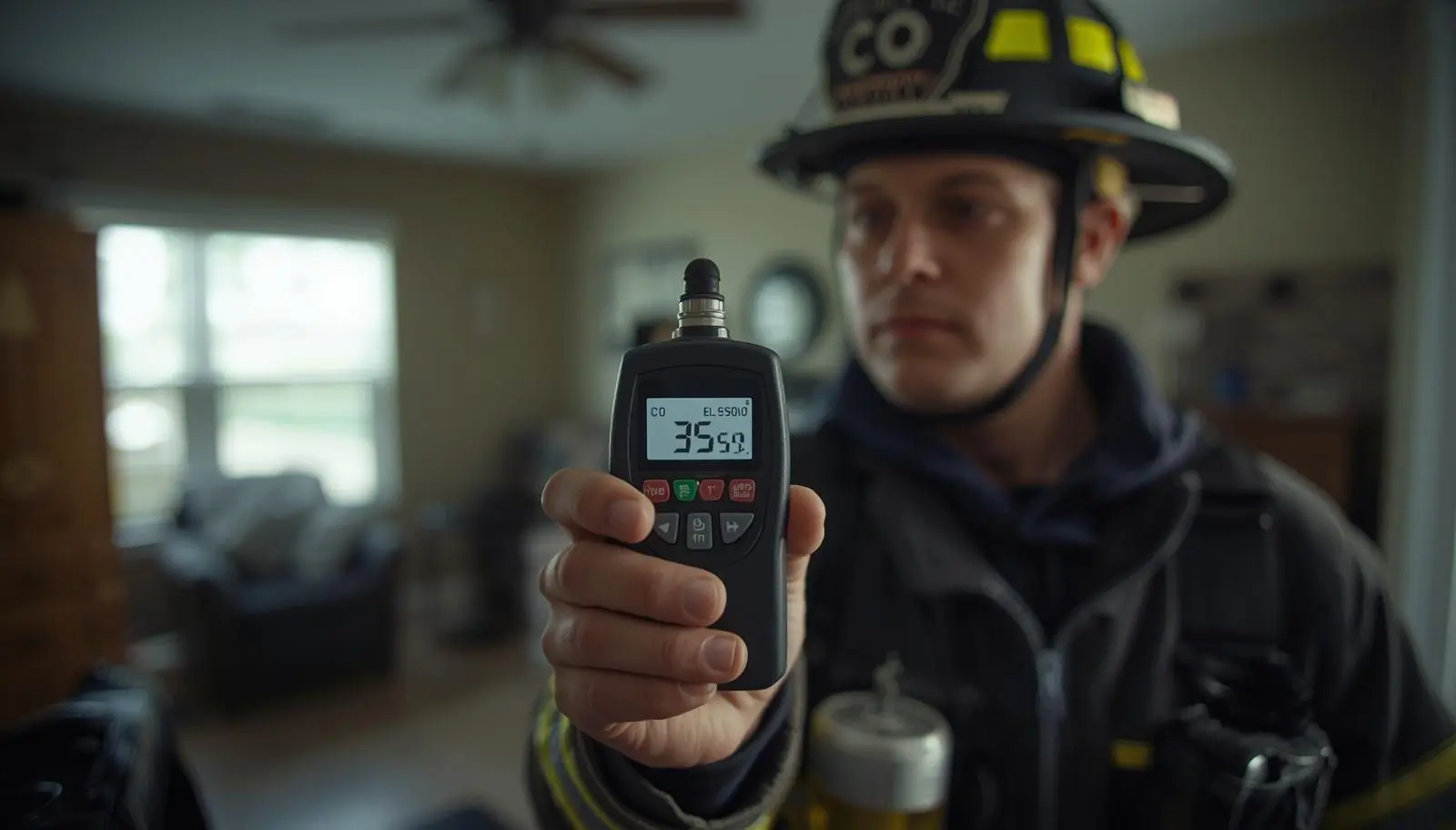
CO detectors are separate from smoke alarms but follow similar placement logic. CO is produced by any fuel-burning device (gas furnace, water heater, stove, fireplace, vehicle) and is colorless and odorless — impossible to detect without a detector. CO poisoning kills approximately 430 Americans annually and sends more than 50,000 to emergency departments.
| Location | Required? | Notes |
|---|---|---|
| Outside each sleeping area | Required in most states | Critical — CO incapacitates before waking occupants; alarm must wake sleeping people |
| Every level of home | Recommended | CO distributes evenly — upper and lower floors both need coverage |
| Near gas appliances and furnace | Recommended | Placement within 10 feet of furnace, water heater, or gas stove provides early source detection |
| Adjacent to attached garage | Recommended | Vehicles left running in garage are a leading CO source; wall adjacent to garage |
| In garage itself | Not recommended | Vehicle exhaust causes false alarms; place in adjacent living area instead |
Interconnected Alarms: Why They Save Lives
Interconnected alarms — where activating any single alarm causes all alarms in the home to sound — are required in new construction in most U.S. states and are one of the highest-impact fire safety upgrades available. The reason is simple: a fire starting in the basement at 2 AM triggers the basement alarm, but a sleeping family on the second floor may not hear it. With interconnected alarms, the bedroom alarms sound simultaneously.
Modern wireless interconnect technology (radio-frequency or Wi-Fi) allows interconnection without running new wiring, making it practical for existing homes. Several manufacturers offer interconnect-capable alarms that pair together during setup. For homes with hardwired alarms already, most electricians can interconnect them during a simple service call.
Maintenance Checklist
- Test every smoke alarm monthly — use the test button on each unit, not just the interconnect
- Replace batteries annually in all battery-powered alarms — or use 10-year sealed-battery units
- Check the manufacture date on every alarm — the date is printed inside the cover; replace any alarm over 10 years old
- Vacuum alarm covers gently once a year to remove dust buildup that can cause false alarms or reduce sensitivity
- Never remove batteries or disconnect an alarm to silence a nuisance alarm — identify and fix the cause (move alarm further from kitchen, use photoelectric type)
- Replace CO detectors per manufacturer guidance — typically 5–7 year service life (shorter than smoke alarms)
- After any painting or renovation near alarms, test to confirm function — dust and paint overspray can contaminate sensors
For more on what happens when smoke alarms are absent or delayed — and exactly how fast fire conditions escalate — see our complete guide on how fast house fires spread. For a full inventory of hidden fire hazards in your home that create the risks smoke alarms need to catch, see our home fire hazards guide.


Comments 0
No comments yet. Be the first to share your thoughts!
Leave a Comment