How to Become a Firefighter in 2026: Step-by-Step Guide
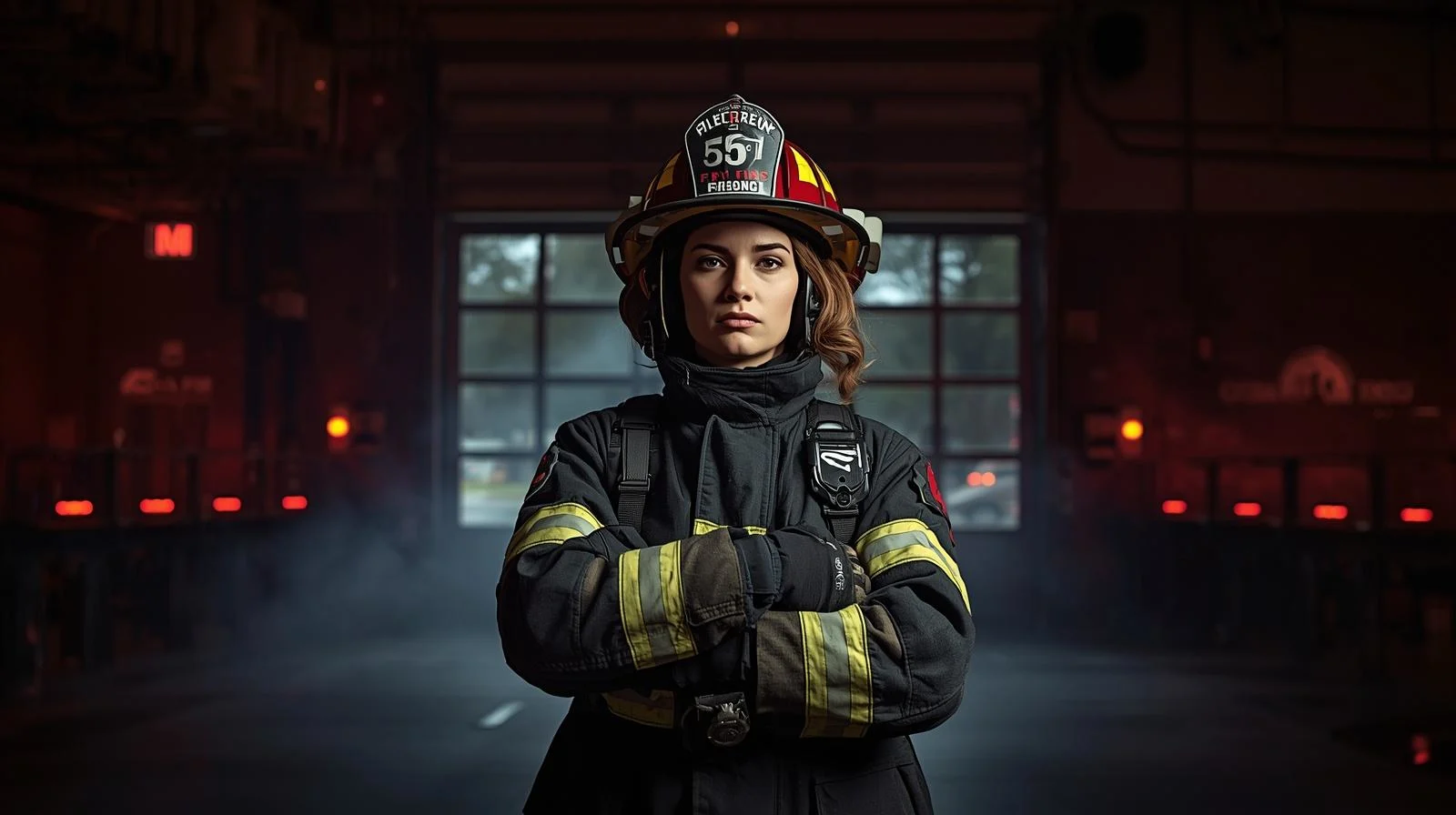
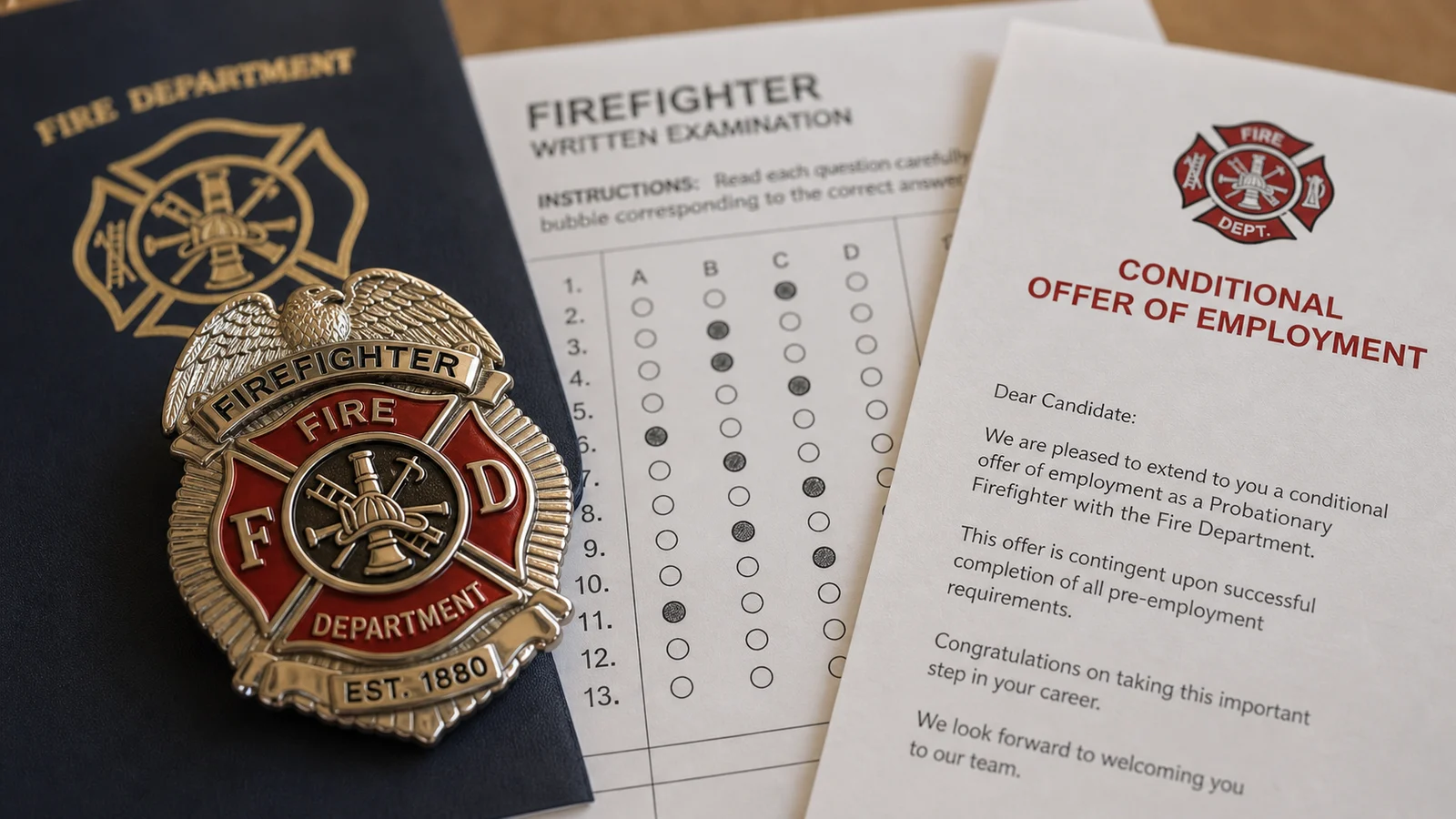
Becoming a firefighter in 2026 is competitive but the path is predictable. Every U.S. fire department runs its own hiring process, but the core sequence is the same: meet minimum requirements, pass a written exam, complete a physical ability test, clear the background investigation, and finish the fire academy. This guide walks through every stage in the order you will actually encounter them.
Jump to:Requirements · EMT cert · Written exam · CPAT · Oral board · Background · Fire academy · Probation · Timeline · FAQ
1. Meet the Baseline Requirements
- Age: Minimum 18 at most departments; some require 21. No maximum age at most agencies provided you pass the physical ability test.
- Education: High school diploma or GED is the minimum. An associate's or bachelor's in fire science earns preference points at many departments and helps with promotion later.
- Driver's license: Required. Most career departments require a Class B CDL at or before hire.
- EMT certification: Most career departments require EMT-Basic at or before hire in 2026. Some allow candidates to complete it within 12–18 months on the job. Verify each department's posting.
- Citizenship: Required for federal fire positions. State and local requirements vary.
- Clean record: Felony convictions and many misdemeanors are disqualifying. DUIs and a serious driving record are typically disqualifying as well.
2. Get Your EMT Certification Before You Apply
Earn your EMT-Basic before submitting applications. Departments requiring EMT at hire will disqualify you immediately without it. EMT training (120–150 hours) teaches airway management, trauma care, and medical emergencies you will use from your first shift. Many departments award preference points to EMT or paramedic-certified candidates, boosting your rank on the hiring list.
Find a state-approved EMT program at a local community college or fire academy. Pass the NREMT cognitive and skills exams for national certification. See EMT vs. Paramedic Certification Guide for a full breakdown of certification paths.
Pro tip: EMT training, CPAT prep, and written exam study can overlap. Starting all three 6–12 months before a department opens applications means everything is ready when the posting goes live.
3. Pass the Written Exam
Most departments use standardized platforms: NTN FireTEAM, Ergometrics, PELLETB (California), or department-specific tests. Five subject areas appear on virtually all platforms:
- Math: Arithmetic, percentages, unit conversion, area and volume
- Reading comprehension: Written procedures, emergency protocols, policy documents
- Mechanical reasoning: Levers, pulleys, pressure, basic physics
- Listening comprehension: Recalling details from short audio scenarios
- Spatial reasoning: Map reading, directions, orientation under pressure
Departments rank candidates by score. Aim for 80% or higher to be competitive. Use official practice tests from NTN or Ergometrics, study fire behavior and building construction basics, and do not skip the mechanical and spatial sections. Those eliminate more candidates than the math does.
Full Written Exam Study Guide →
4. Pass the CPAT Physical Ability Test
The Candidate Physical Ability Test (CPAT) is the national standard for entry-level physical screening. You have 10 minutes and 20 seconds to complete 8 consecutive events wearing a 50-pound weighted vest:
| # | Event | Primary demand | Common failure point? |
|---|---|---|---|
| 1 | Stair climb — 3 min at 60 steps/min | Aerobic base, lower body endurance | Yes — most failures here |
| 2 | Hose drag | Pulling mechanics, body position | Technique errors |
| 3 | Equipment carry (2 × 25 lb saws) | Grip and carry endurance | Grip fatigue late in test |
| 4 | Ladder raise and extension | Shoulder and upper body control | Technique, not strength |
| 5 | Forcible entry (sledgehammer) | Hip-driven power, timing | Rarely a failure point |
| 6 | Search (dark tunnel crawl) | Composure, proprioception | Claustrophobia-related hesitation |
| 7 | Rescue drag (165 lb mannequin) | Total body endurance | If already depleted from stair climb |
| 8 | Ceiling breach and pull | Overhead and pulling endurance | Shoulder fatigue at the end |
Training plan to pass the CPAT
- Start 6–8 months before your test date. Aerobic fitness for the stair climb cannot be built in 4 weeks.
- Run 3–4 miles at a moderate pace 4 days per week. The stair climb is almost entirely an aerobic event.
- Add functional strength: farmer carries, sled drags, step-ups with a loaded vest, hammer swings against a tire.
- Train in a 50-pound weighted vest for at least the final 8 weeks. The vest changes every movement pattern.
- Attend an orientation session at your testing site before the scored attempt. Walk the full course.
5. Nail the Oral Interview Board
After the written and CPAT, most departments conduct a structured oral board — a panel of 3–5 officers asking scenario-based and behavioral questions. The board evaluates judgment, integrity, communication, teamwork, and stress response — not tactical depth. Candidates who have done ride-alongs or volunteered consistently score higher because they understand the culture before walking in.
Practice answering out loud. Use the STAR format (Situation, Task, Action, Result) for behavioral questions. Research the department — their apparatus, staffing model, and recent news — before your interview.
6. Clear the Background Investigation
This stage eliminates candidates who passed every previous step. Investigators review criminal history, driving record, employment history, military records, credit history at some departments, social media, references (5–10 contacts), and polygraph at many departments.
Critical rule: Lying or omitting information on a background application is almost always more disqualifying than the underlying incident. If you have something in your past, consult an attorney before applying and be prepared to discuss it directly.
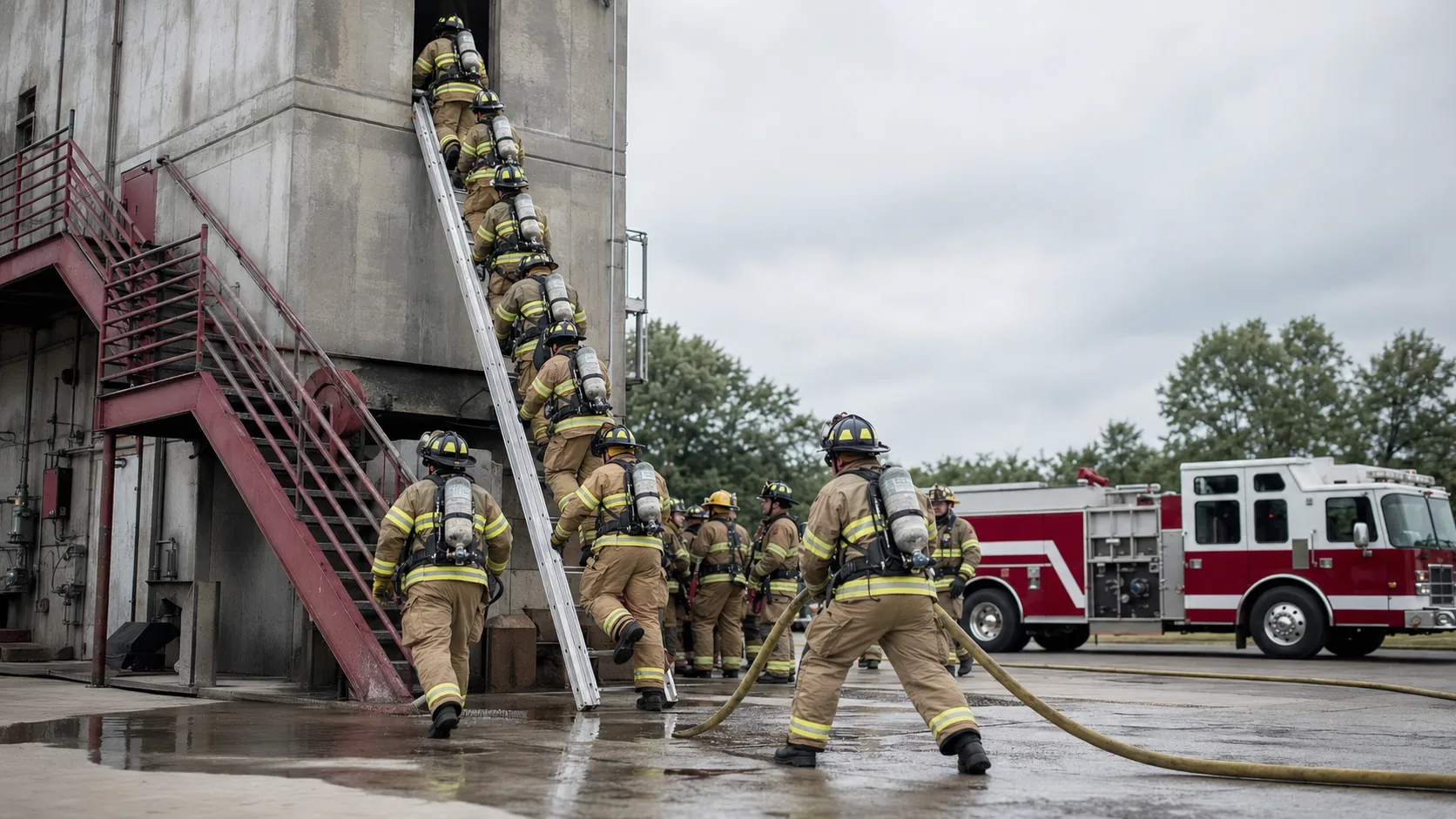
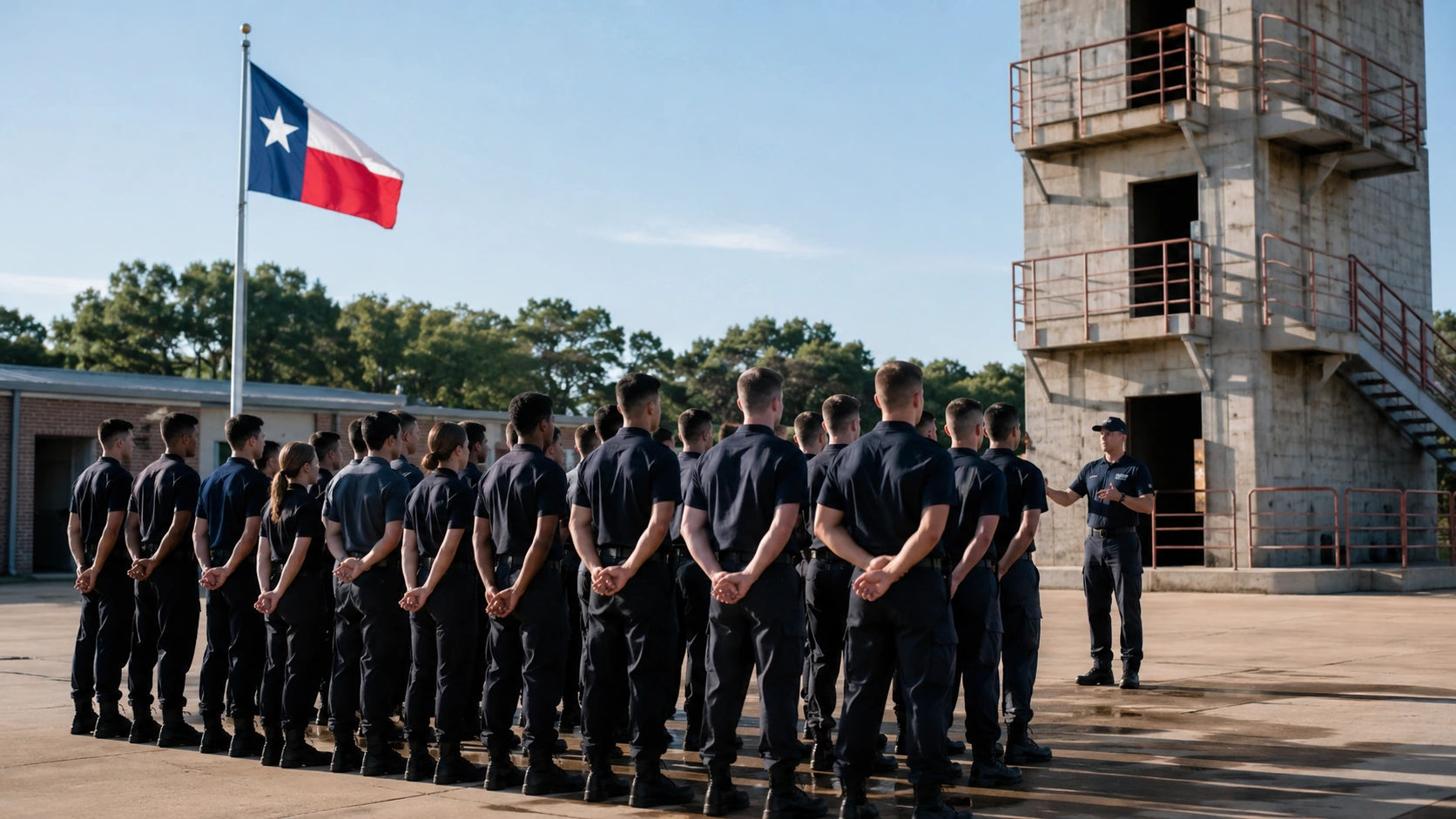
7. Complete the Fire Academy
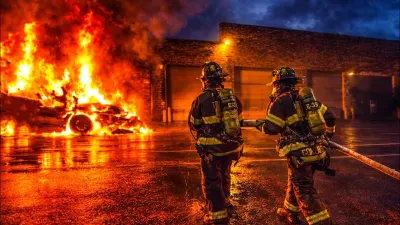
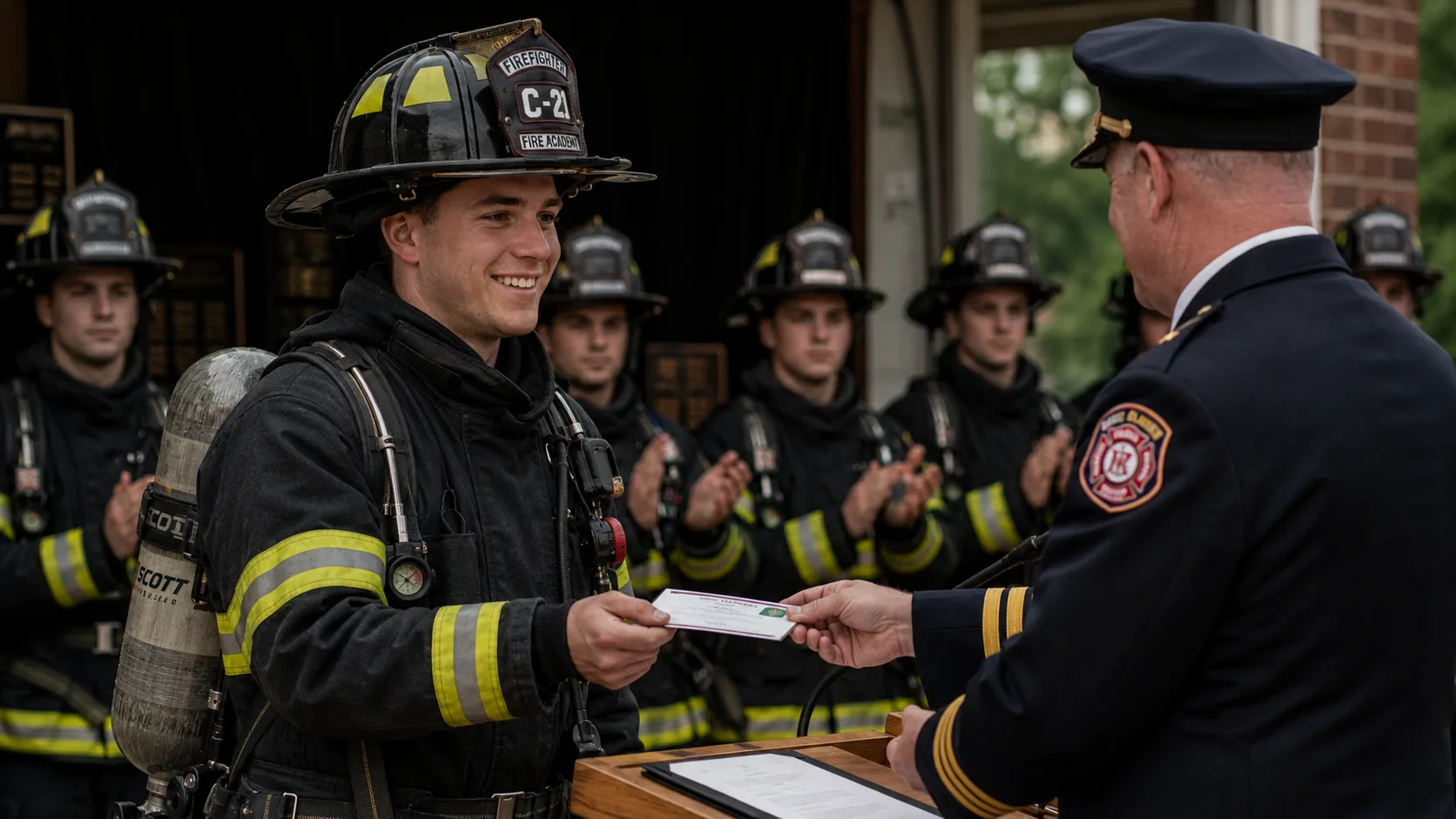
Once hired on conditional offer, you enter recruit school — typically 14 to 26 weeks at 40–60 hours per week. Curriculum covers fire behavior and building construction, hose and pump operations, ladder operations, SCBA, search and rescue, ventilation, vehicle extrication, hazardous materials (Awareness and Operations per NFPA 472), EMS response, ICS/NIMS, and live fire evolutions per NFPA 1403.
Departments enforce strict attendance and conduct standards. Coming in physically prepared makes the difference between thriving and surviving. The physical demand does not stop when CPAT ends.
8. Survive the Probationary Year
After academy graduation you report to a station on probation — typically 12–18 months. You are expected to memorize every piece of apparatus and equipment, know hydrant locations and target hazards in your first-due area, perform all fireground skills under crew scrutiny, and navigate firehouse culture. Probationary firefighters can be terminated at will in most departments. Work hard, show up early, and let your actions speak.
Use the Fire Station Locator to identify departments in your target area and the Salary Comparison Tool to research pay scales.
Realistic Timeline: Start to Full Sworn Status
| Stage | Typical timeframe | Notes |
|---|---|---|
| EMT-Basic certification | 3–5 months | Community college or fire academy |
| Written exam + CPAT prep | 4–8 months concurrent | Can overlap with EMT training |
| Application to conditional offer | 3–12 months | Depends on how often the dept. tests |
| Background + medical/psych | 2–6 months | Varies by department size |
| Fire academy | 4–6 months | 14–26 weeks |
| Probationary period | 12–18 months | At-will; termination possible |
| Total to full sworn status | 18 months – 3 years | Faster with prior EMT and volunteer experience |
Frequently Asked Questions
How hard is it to get hired as a firefighter?
Competitive. Large metro departments receive thousands of applications for a handful of openings. Smaller departments and rural areas have better odds. Having your EMT, a high written exam score, and volunteer or ride-along experience significantly improves your rank.
Do I need a college degree to become a firefighter?
Not at most departments. A high school diploma or GED meets the minimum. An associate's or bachelor's in fire science or emergency management earns preference points and helps with promotion later.
Can women become firefighters?
Yes. The CPAT is the same test for all candidates. The physical standards do not change, but they are trainable for anyone who commits to a structured preparation program. Many departments actively recruit women.
What disqualifies you from becoming a firefighter?
Common disqualifiers include: felony conviction, certain misdemeanors, DUIs, a serious driving record, dishonorable military discharge, medical conditions preventing safe fireground operations, and dishonesty during the application process. Each department applies its own standards.
Is EMT required to become a firefighter?
At most career departments in 2026, yes. EMT-Basic is now a baseline requirement or strong preference. Some allow completion within the first 12–18 months. Check each department's specific job announcement.
How much do entry-level firefighters earn?
Entry pay varies significantly by state and department. Use the Salary Comparison Tool or the full Firefighter Salary by State hub.
Florida candidates: Florida uses a state certification system and major departments differ on when EMT, CPAT and firefighter certification must be completed. See How to Become a Firefighter in Florida for the state-specific path.
California candidates: California has State Fire Training certification, FCTC testing and department-specific hiring systems that do not all use the same physical test or academy pathway. See How to Become a Firefighter in California.

Comments 0
No comments yet. Be the first to share your thoughts!
Leave a Comment