
Effective Firefighting Techniques in Emergency Situations
Swift Response to a Recreation Center Fire
In the early hours of a busy morning shift, firefighters were swiftly dispatched to a wooden cabin situated within a recreation center along the scenic Gulf of Finland. Initial evaluations indicated that the fire could be contained quickly using a single hose line, allowing the team to initiate cooling operations shortly after arrival. However, as the firefighters approached the scene, it became increasingly apparent that the fire was far larger and more perilous than initially estimated, presenting a serious challenge to the responding crew.
Challenges Faced by Firefighting Teams
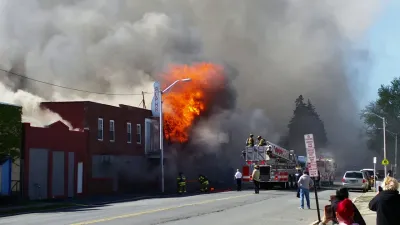
Upon arrival, the firefighting teams were confronted with a daunting sight: a large boat hangar was fully engulfed in flames, creating a fierce and chaotic environment. The presence of two fuel barrels within the hangar significantly exacerbated the situation, intensifying the fire’s ferocity and accelerating the spread of the flames. This dire condition forced the incident commanders to urgently reassess their intervention strategy to effectively combat the escalating threat.
Strategic Fire Control Measures
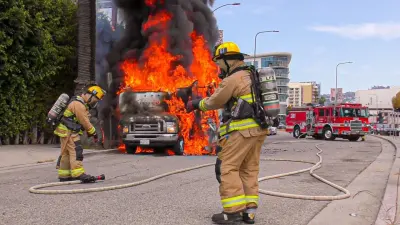
In response to the rapidly evolving situation, firefighters executed a well-coordinated plan that involved deploying two hose lines capable of delivering high water flow to suppress the fire effectively. A water tanker, strategically stationed along the shore, provided continuous access to a reliable water source from the Gulf, further supported by a hydraulic lift for efficient operations. This calculated approach not only facilitated a swift extinguishment of the fire but also played a pivotal role in protecting nearby structures from potential damage.
Demonstrating Coordination and Expertise
Throughout the shift, the firefighting team did not merely tackle this single blaze; they also adeptly managed another significant fire incident that arose during the day. This remarkable display of coordination and resource management underscored the team's expertise and commitment to public safety. The professionalism exhibited in such demanding circumstances is essential for ensuring the safety and well-being of the community.
Understanding fire prevention measures and quick response techniques is vital for everyone. By staying informed and prepared, individuals can take the first steps toward ensuring their safety in emergency situations. Knowledge is a powerful tool in the fight against fire hazards.




Comments 0
No comments yet. Be the first to share your thoughts on this video!
Leave a Comment