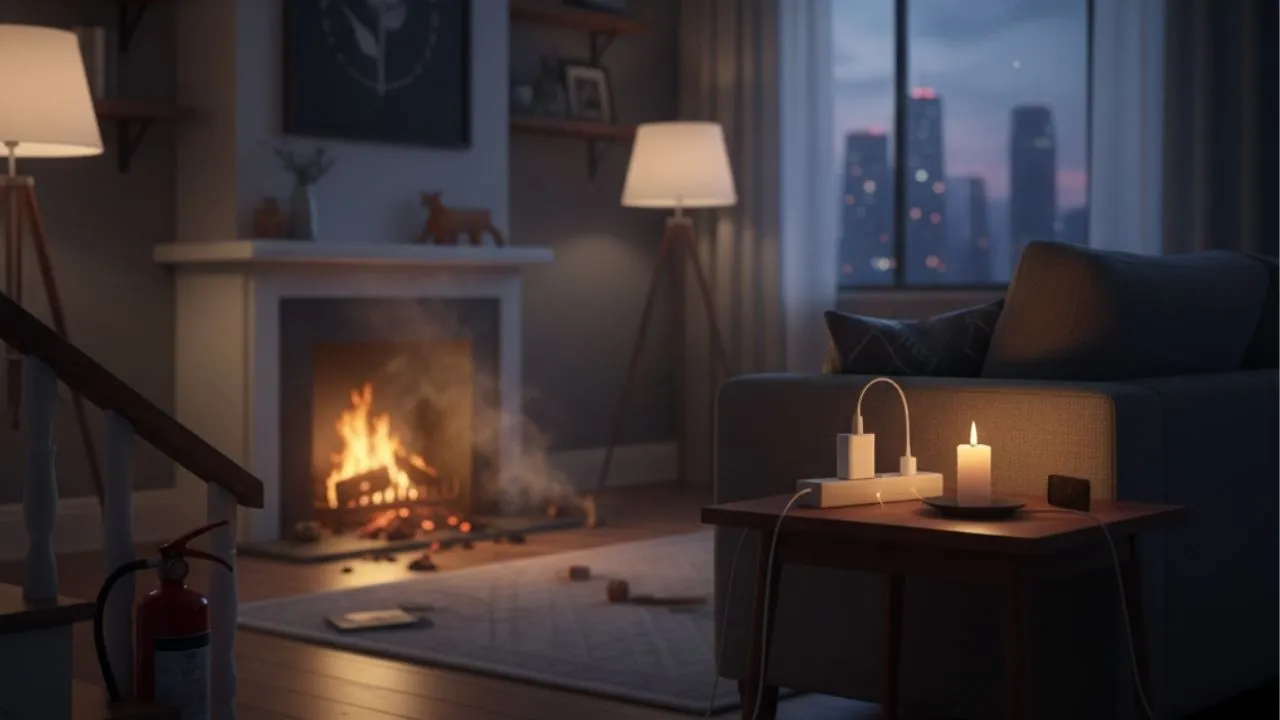

Fire Safety Home Checklist 2025: The Ultimate Guide to Preventing House Fires
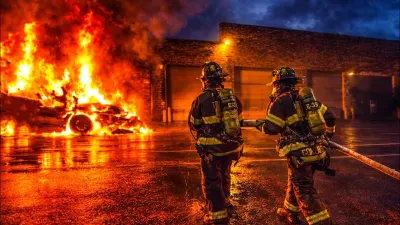
Every year in the United States, more than 350,000 home fires occur, resulting in thousands of injuries and billions of dollars in property loss. Fire departments consistently report that most of these fires could have been prevented with basic home preparedness. This 2025 Fire Safety Home Checklist is designed to give American families a clear, firefighter-approved guide to making their homes safer than ever.
1. Install and Maintain Smoke Alarms Properly
According to the NFPA, working smoke alarms cut the risk of dying in a home fire by over 50%. Yet millions of American homes either have outdated alarms or none at all. For full protection:
- Install alarms in every bedroom, hallway, and on each level.
- Use interconnected smoke alarms whenever possible.
- Test alarms monthly and replace batteries yearly.
- Replace smoke alarms every 10 years regardless of condition.
2. Fire Extinguishers: Placement, Types, and Maintenance
A portable fire extinguisher can stop a small fire before it becomes a disaster. But only if it's accessible and users know how to operate it. Firefighters recommend:
- Install one extinguisher on every level of your home.
- Keep extinguishers in the kitchen, garage, laundry room, and near exits.
- Use ABC-rated extinguishers for general home use.
- Learn the PASS method: Pull, Aim, Squeeze, Sweep.
Many U.S. households have extinguishers older than 10 years—these often fail during emergencies. Inspect them annually and replace when needed.
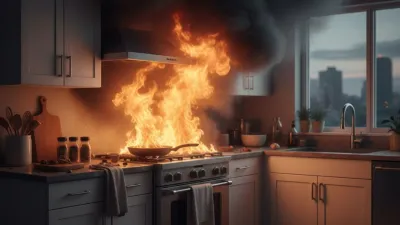
3. Kitchen Fire Safety: The #1 Cause of U.S. Home Fires
Cooking fires are responsible for nearly half of all U.S. residential fires. Most occur when someone leaves food unattended. To reduce the risk:
- Never walk away from a hot stove.
- Keep flammables like towels and packaging away from burners.
- Use lids to smother grease fires—never water.
- Install a Class K extinguisher if you frequently fry foods.
Air fryers, electric griddles, and stovetop appliances have become common sources of 2025 home incidents due to improper cleaning. Remove built-up grease regularly.
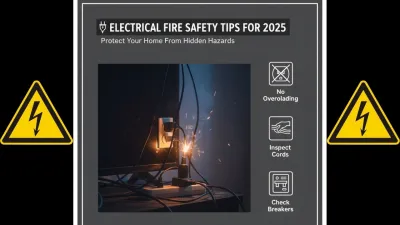
4. Electrical Fire Prevention: Hidden Dangers in Every Home
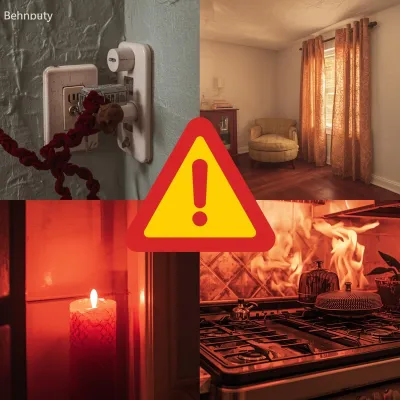
Faulty wiring and overloaded circuits cause thousands of fires each year. Warning signs include:
- Frequently tripped breakers
- Warm outlets or plugs
- Flickering lights
- Burning smells near appliances
Upgrade outdated wiring, especially in homes older than 30 years. Avoid daisy-chaining power strips and replace damaged cords immediately.
5. Create a Family Fire Escape Plan
Firefighters emphasize that families should be able to escape a home in under two minutes. To prepare:
- Identify two exits from every room.
- Select a safe outdoor meeting spot.
- Practice your escape plan twice a year.
- Teach children how to crawl low under smoke.
Modern homes burn faster due to synthetic materials—giving families less time to react. Practicing is crucial.
6. Space Heater and Winter Fire Safety
Space heaters are responsible for an increasing number of winter fires. Follow these guidelines:
- Keep heaters 3 feet away from anything flammable.
- Use only modern heaters with tip-over protection.
- Plug heaters directly into wall outlets, never extension cords.
7. Outdoor Fire Safety: Grills, Garages, and Storage
Many fires start outside but spread into the home. To stay safe:
- Keep grills 10 feet from structures.
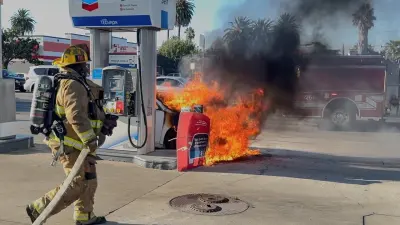
- Store gasoline in approved containers only.
- Keep your dryer vent clean to prevent ignition.
8. Final Thoughts: A Safer Home in 2025
Fire safety is not a one-time task—it’s an ongoing commitment. With the right preparation, awareness, and equipment, American families can greatly reduce their risk. Firefighters see firsthand how small safety improvements save lives. Use this guide as your yearly checklist and protect the people and home you love.


Comments 0
No comments yet. Be the first to share your thoughts!
Leave a Comment