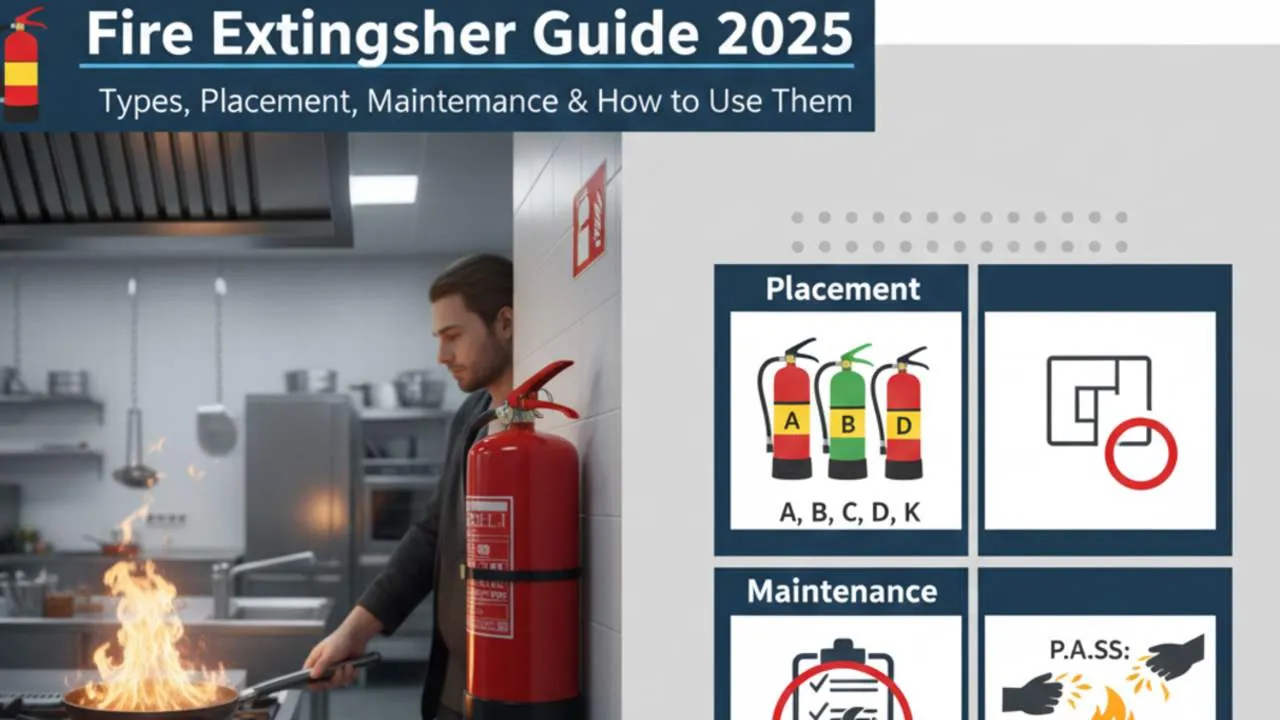

Fire Extinguisher Guide 2025: Types, Placement, Maintenance & How to Use Them
Fire extinguishers are one of the most important pieces of fire protection equipment in any home or workplace. Yet firefighters constantly find that many Americans either don’t know how to use them or have expired extinguishers that fail during emergencies. This 2025 guide explains everything you need to know to stay prepared.
1. Understanding Fire Extinguisher Classes
Each fire extinguisher is designed for different fire types:
- Class A: Wood, paper, cloth
- Class B: Flammable liquids like gasoline and oils
- Class C: Electrical equipment
- Class K: Commercial kitchen grease fires
- ABC: Universal use for most homes
Nearly every firefighter recommends ABC extinguishers for general residential use due to their versatility.
2. Proper Placement in Your Home
Fire extinguishers must be easy to access. Follow these 2025 placement guidelines:
- Install at least one extinguisher on every floor.
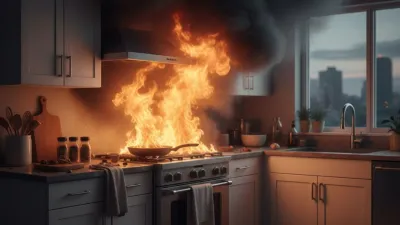
- Place one in the kitchen near the exit (not by the stove).
- Put extinguishers in the garage, laundry room, and workshop.
- Mount at adult chest height for quick reach.
Firefighters often find extinguishers buried under sinks or behind clutter—these are useless in emergencies.
3. Inspection and Maintenance
Most extinguishers last 10–12 years but require regular checks:
- Verify the pressure gauge is in the green zone.
- Check for rust or corrosion.
- Ensure the safety pin is intact.
- Shake dry chemical extinguishers annually to prevent powder settling.
If your extinguisher is more than 12 years old or shows signs of wear, replace it immediately.
4. Learn the PASS Method
The PASS method is the firefighter-approved standard for operating extinguishers:
- P – Pull the pin.
- A – Aim at the base of the fire.
- S – Squeeze the handle.
- S – Sweep side to side.
Practice the steps mentally so you can react quickly during a real emergency.
5. When NOT to Use an Extinguisher
There are situations where attempting to fight a fire is too dangerous:
- The fire is larger than a small trash can.
- Smoke is filling the room rapidly.
- You are unsure what caused the fire.
- Your escape route is blocked.
In these cases, evacuate immediately and call 911.
6. Special Extinguishers for Kitchens, Garages & Vehicles
Different environments require different extinguisher types:
- Kitchen: Class K extinguisher for grease-heavy cooking.
- Garage/Workshop: ABC or CO₂ for liquid and electrical hazards.
- Vehicles: Compact ABC extinguisher for roadside emergencies.
Final Thoughts
A properly placed and maintained fire extinguisher can save your home and your life. Use this 2025 guide to upgrade your equipment, refresh your knowledge, and ensure your family is prepared for any emergency.


Comments 0
No comments yet. Be the first to share your thoughts!
Leave a Comment