
Innovative Aerial Tactics: How Water Bombers and Aircraft Combat Wildfires
As wildfires continue to pose significant threats to ecosystems and communities, the use of aerial firefighting tactics has become increasingly vital. This article delves into the sophisticated methods employed by water bombers, commercial aircraft, and helicopters in the battle against wildfires, showcasing their effectiveness and importance in emergency response.
The Role of Water Bombers in Wildfire Suppression
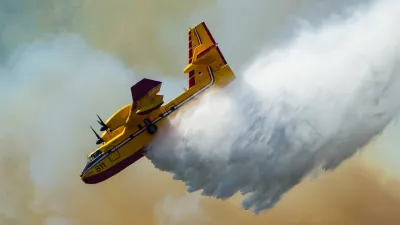
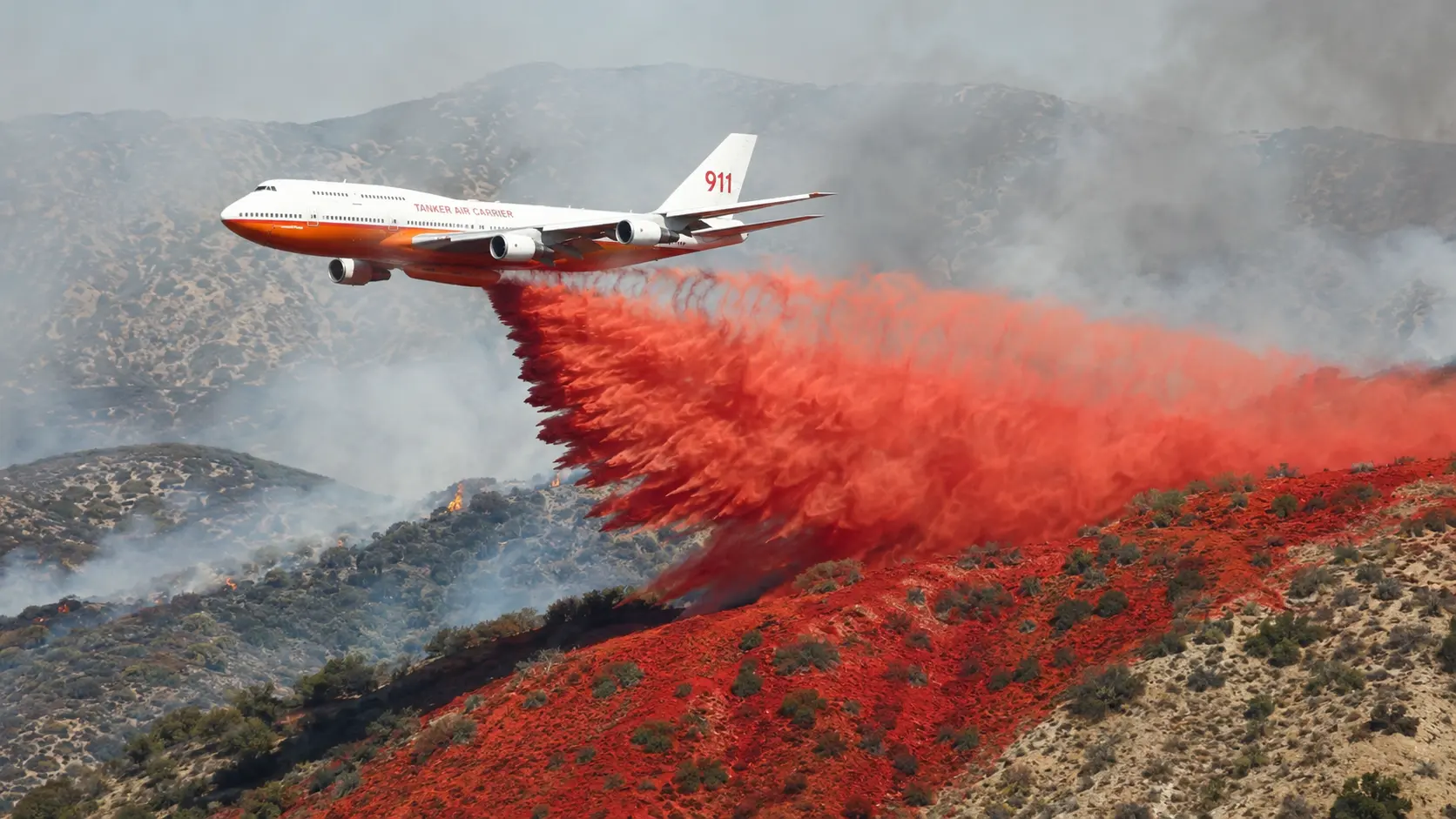
Water bombers, specially equipped aircraft designed for firefighting, play a crucial role in the initial attack on wildfires. These planes can carry thousands of gallons of water or fire retardant, allowing them to drop significant amounts of fire-suppressing materials directly onto the flames. Their ability to cover large areas rapidly makes them an essential asset in controlling fire spread, especially in remote or hard-to-access regions.
Helicopters: Versatile Tools for Firefighting
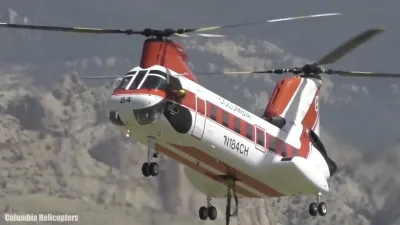
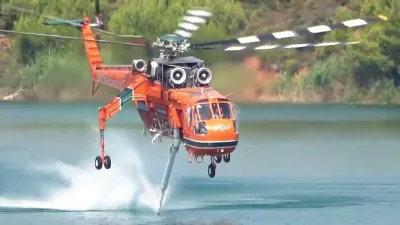
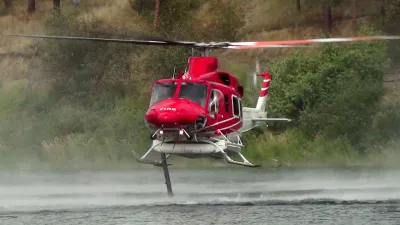
Helicopters are another critical component of aerial firefighting strategies. Unlike fixed-wing water bombers, helicopters can hover over specific areas, providing more targeted drops of water or retardant. This capability allows them to support ground crews effectively, aiding in the creation of firebreaks and dousing spot fires that threaten to flare up. Moreover, helicopters can transport firefighters and supplies directly to the frontline, enhancing operational efficiency.
Utilizing Old Commercial Planes for Firefighting
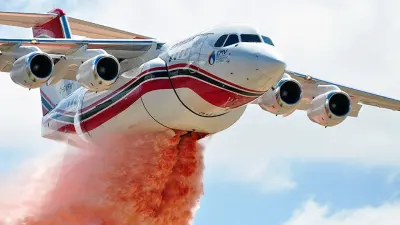
Interestingly, many firefighting operations have turned to repurposed old commercial planes for wildfire suppression. These aircraft, once used for passenger travel, are now modified to carry large quantities of water and fire retardant. Their availability and cost-effectiveness make them a valuable resource in the fight against wildfires, complementing the more specialized firefighting aircraft.
In recent years, the integration of technology and strategic planning has improved the effectiveness of aerial firefighting. Pilots undergo extensive training to operate these aircraft in challenging conditions, ensuring that they can respond swiftly to emerging threats. Coordination between aerial and ground crews is essential for maximizing the impact of aerial drops and ensuring the safety of all personnel involved.
As the frequency and intensity of wildfires increase due to climate change, the importance of aerial firefighting will continue to grow. By employing a combination of water bombers, helicopters, and repurposed commercial planes, firefighting agencies are better equipped to protect lives, property, and natural resources from the devastating effects of wildfires.
Comments 0
No comments yet. Be the first to share your thoughts on this video!
Leave a Comment