
Fire Attack Helicopters Showcase Precision at Shannon Lake
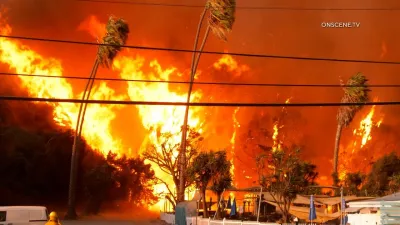
In a stunning display of aerial firefighting capabilities, fire attack helicopters have been deployed at Shannon Lake to combat the raging wildfires threatening the area. These helicopters, equipped with advanced technology and skilled pilots, play a crucial role in wildfire management and emergency response efforts.
The Role of Aerial Support in Firefighting
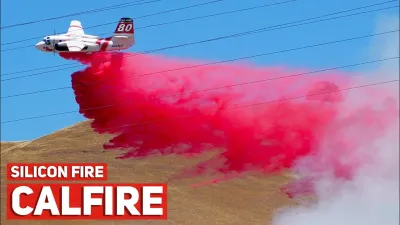
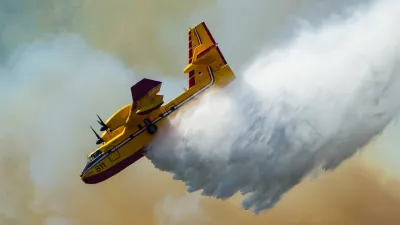
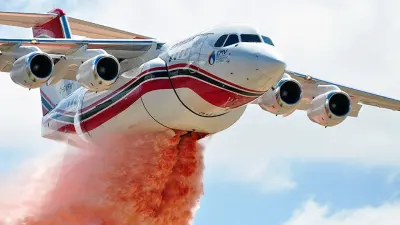
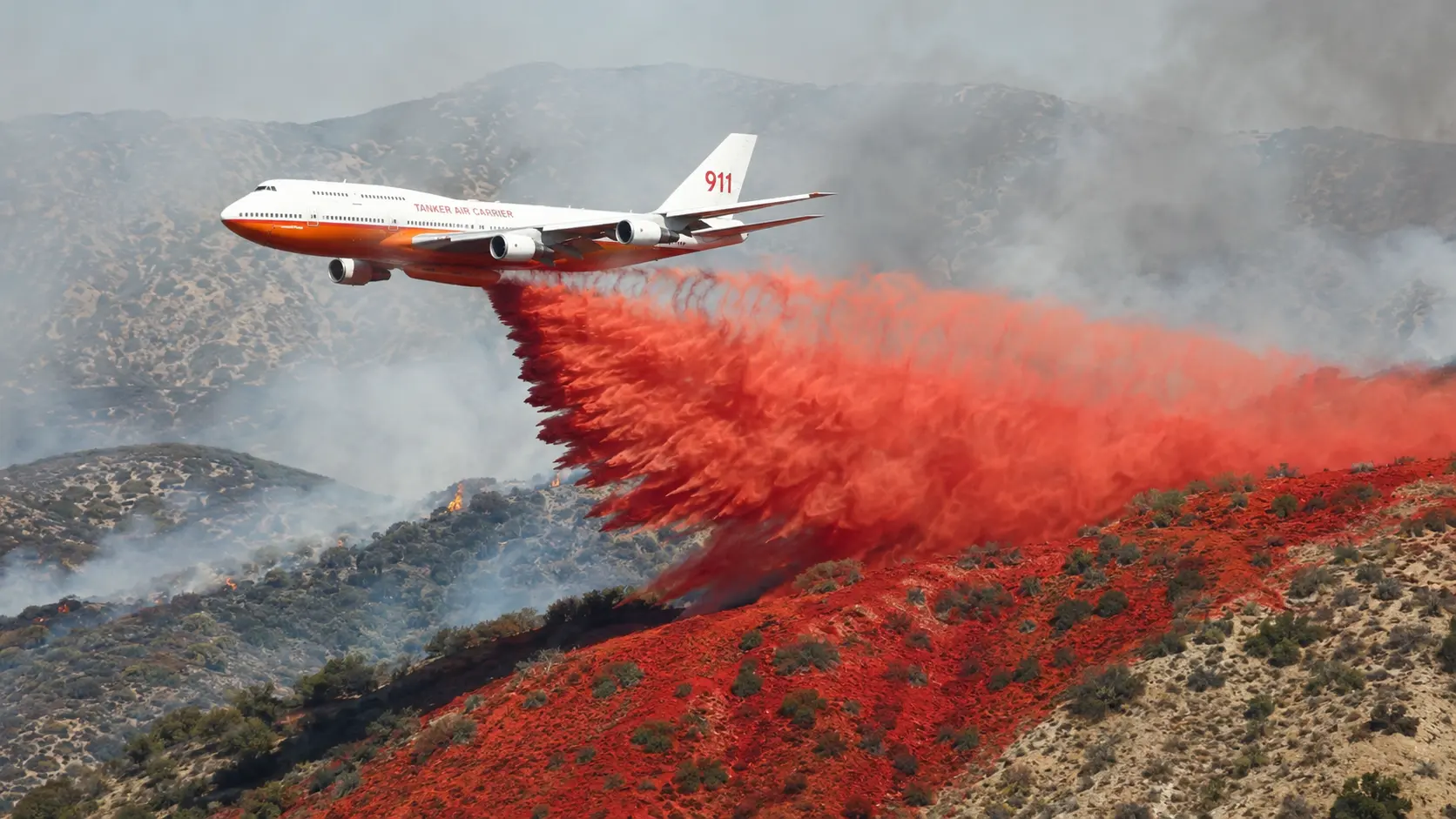
Aerial firefighting has become an essential strategy in managing wildfires, especially in remote or hard-to-reach areas. Helicopters are able to quickly assess the situation from above, allowing for strategic deployment of resources. At Shannon Lake, these helicopters have been instrumental in dropping water and fire retardant, effectively slowing the spread of flames and protecting nearby communities.
Technology and Techniques Used by Fire Attack Helicopters
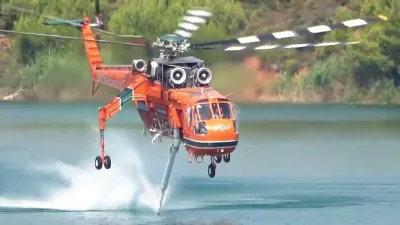
Modern fire attack helicopters are equipped with cutting-edge technology that enhances their firefighting capabilities. These aircraft typically carry large tanks that can hold thousands of gallons of water or fire retardant, which can be released with precision over designated hotspots. The pilots undergo rigorous training to master the techniques required for effective drops, ensuring that every mission is executed with maximum efficiency.
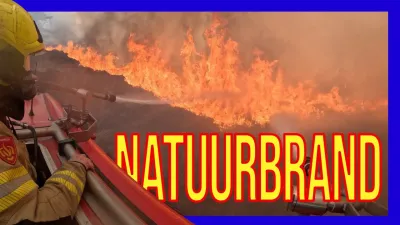
During the recent operations at Shannon Lake, the helicopters showcased their ability to maneuver in challenging conditions, often flying at low altitudes to ensure accurate delivery of firefighting materials. The coordination between the ground crews and aerial units is vital, as communication ensures that resources are deployed where they are needed most.
Community Impact and Future of Aerial Firefighting
The impact of these firefighting efforts on the Shannon Lake community cannot be overstated. By utilizing aerial support, firefighters are not only protecting homes and businesses but also preserving the natural landscape that residents cherish. As wildfires continue to pose a significant threat, the role of aerial firefighting will likely expand, incorporating new technologies and techniques to enhance effectiveness.
As we look to the future, the integration of drones and other unmanned aerial vehicles may revolutionize the way wildfires are managed, providing even more data and support to ground crews. The recent operations at Shannon Lake serve as a testament to the effectiveness of fire attack helicopters and the ongoing commitment to safeguarding communities from the devastating effects of wildfires.
Comments 0
No comments yet. Be the first to share your thoughts on this video!
Leave a Comment