This is a developing story. Details below reflect the most recent confirmed reports from Greek authorities and international wire services and can change as the investigation continues.
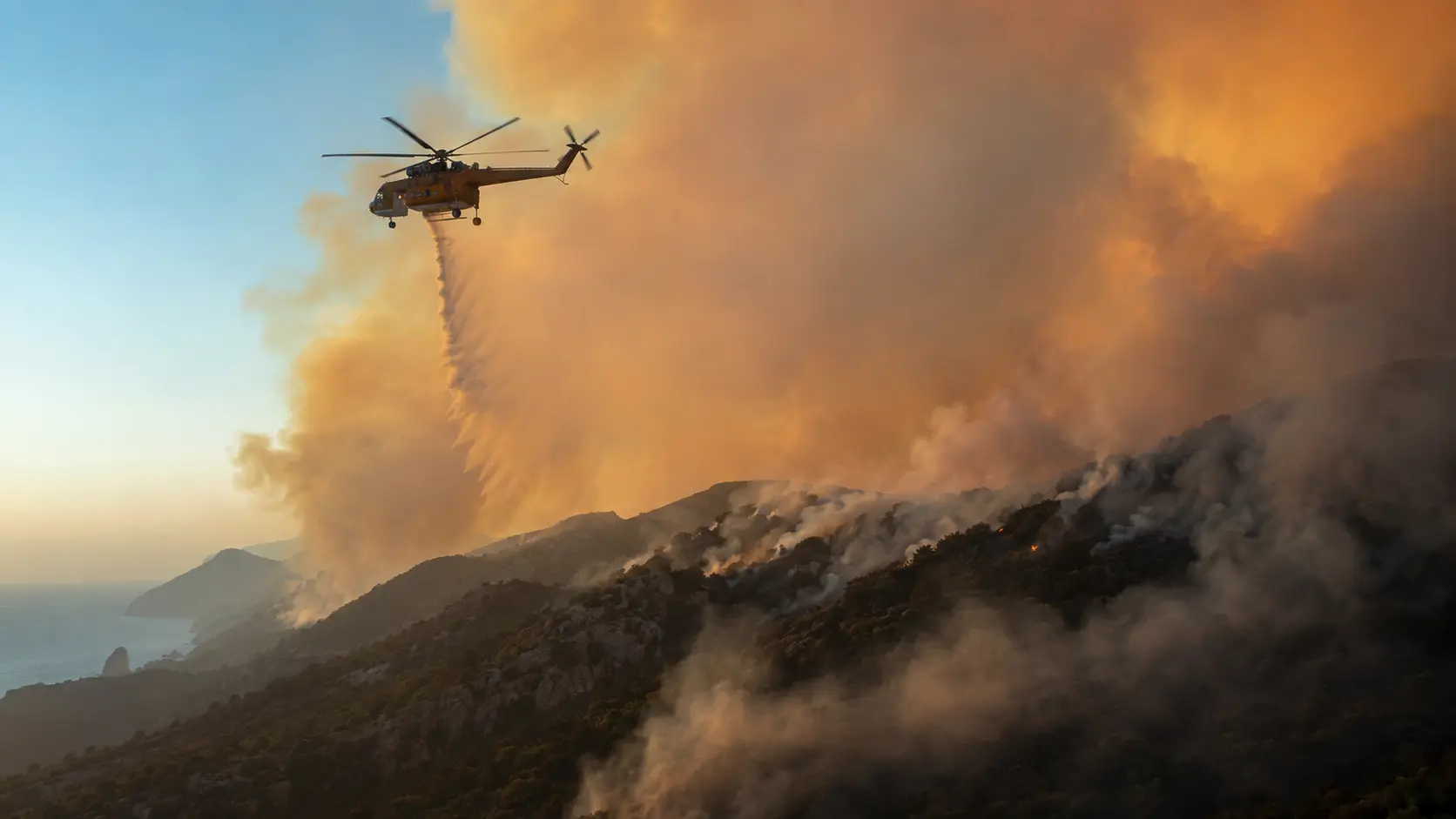
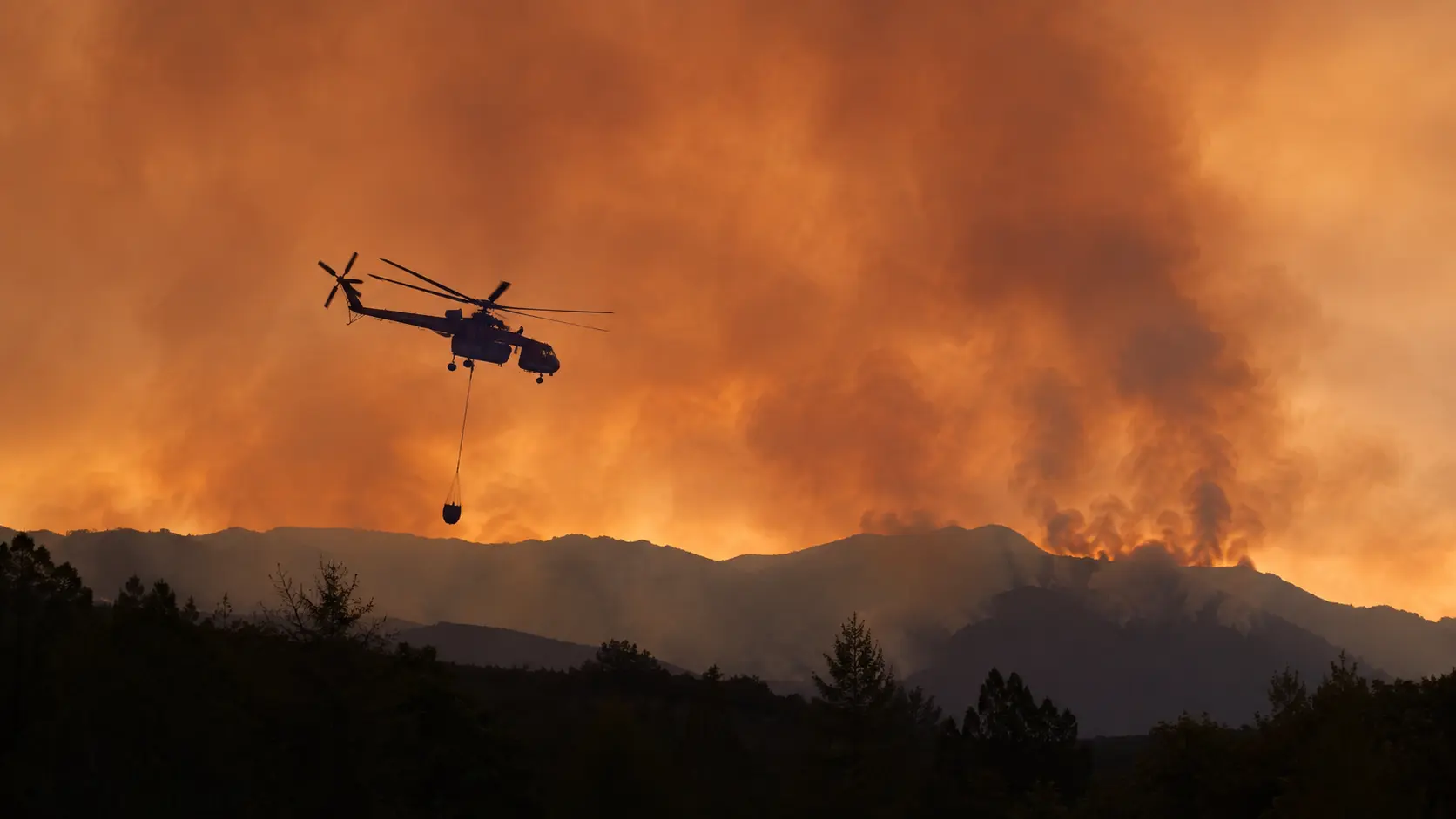
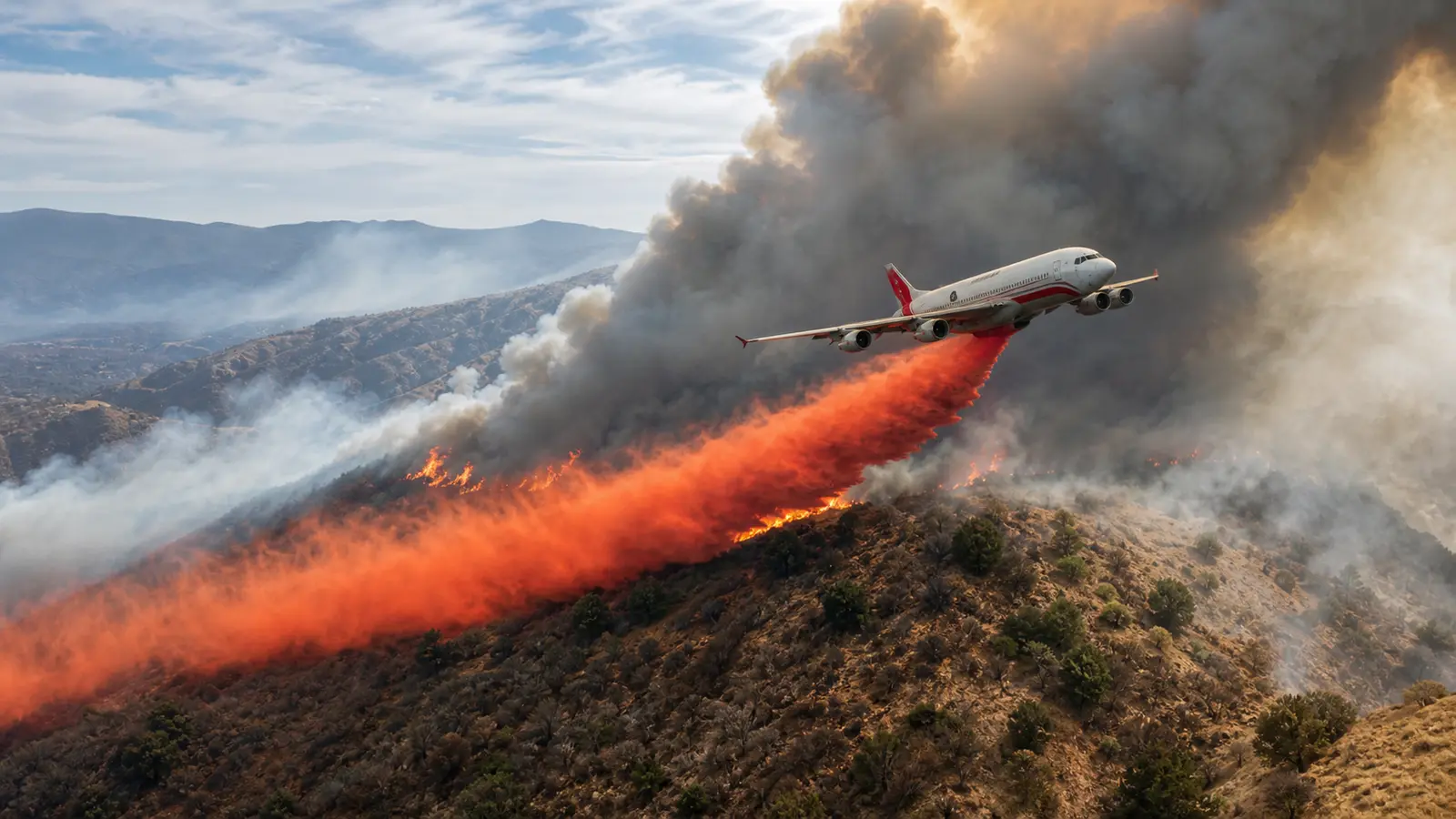
Two aerial firefighting crew members were killed on Sunday, August 2, 2026, when two Bell 214ST helicopters collided in mid-air while battling a wind-driven wildfire in the Psatha area, west of Athens, Greece. Both aircraft had just taken off from Elefsina military airbase and were operating in formation over the fire when the lower helicopter's main rotor struck the underside of the one flying above it. The stricken aircraft crashed and caught fire; the second helicopter dumped its water load and flew clear.
Each helicopter carried a two-person crew: a pilot and a Greek fire service coordinator. The crew of the helicopter that crashed — a Danish pilot and a Greek coordinator — died in the incident. The crew of the second helicopter, a British pilot and a Greek coordinator, were recovered alive with injuries and taken to the 251 General Air Force Hospital. Both helicopters were leased by the Hellenic Fire Service from an Australian aviation contractor and had been temporarily withdrawn from firefighting operations pending the investigation.
In this article:
Why Aerial Firefighting Formations Are So Dangerous
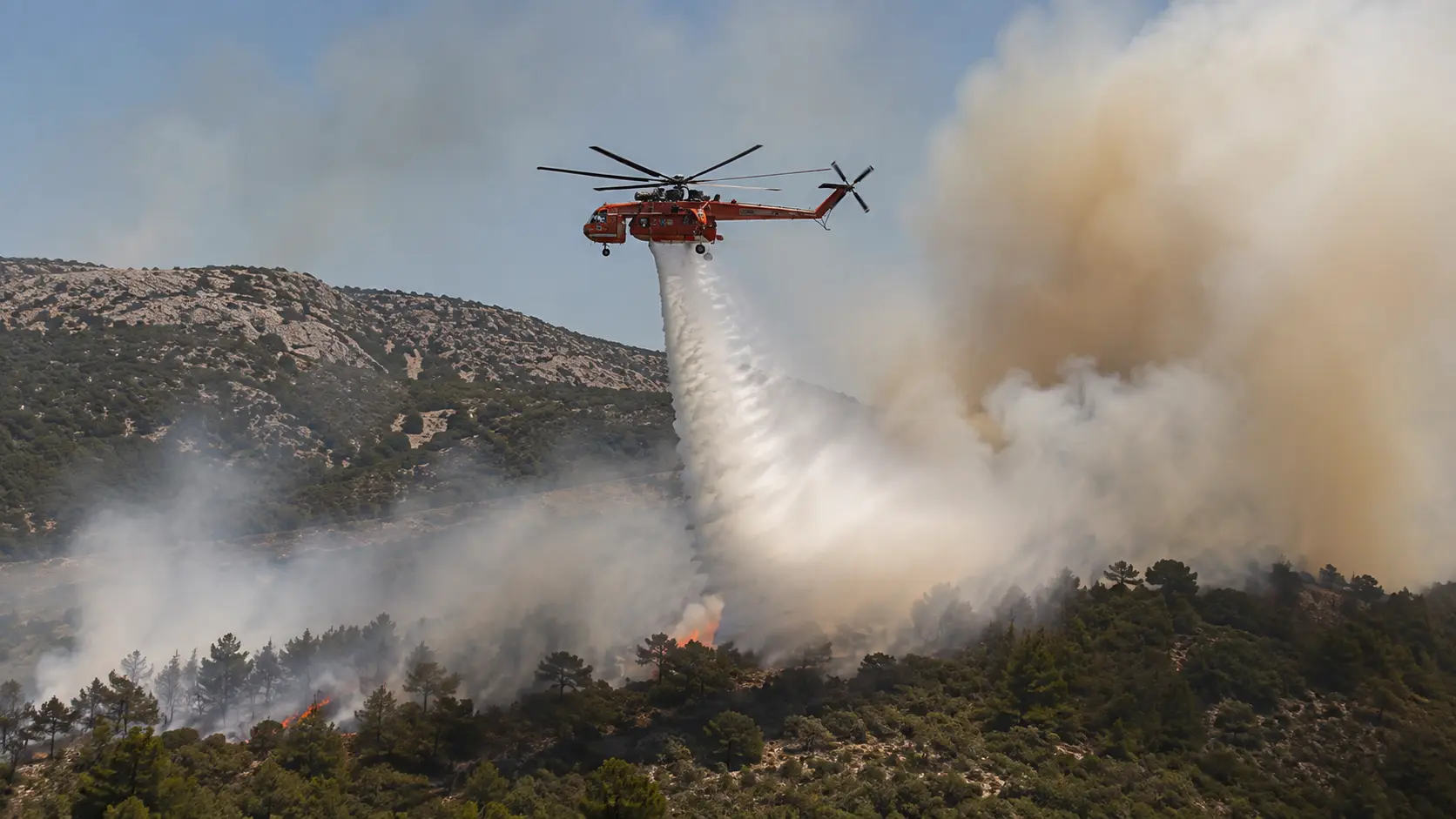
Aerial firefighting missions are flown under strict coordination rules precisely because the margin for error is so small. A fire service coordination aircraft typically acts as an airborne control tower, sequencing aircraft into and out of the fire area. Aircraft normally fly in formations of similar type — water-scooping planes together, larger helicopters together, smaller ones together — with each formation led by a designated aircraft that the others hold position behind and below.
Investigators looking at the Psatha collision say the central question isn't just how the rotors made contact, but why the two aircraft ended up flying so close together in the first place — whether a downdraft, a crosswind, or a steeper-than-expected descent by the trailing helicopter closed the gap between them. Conditions over Psatha on Sunday included gale-force winds and heavy smoke, both of which sharply reduce a pilot's margin for error during formation flying and water drops.
Aerial firefighting is one of the most dangerous jobs in aviation. Crews fly repeated low-altitude passes through smoke, heat-driven turbulence, and unpredictable wind near terrain, often multiple times an hour during an active fire, for weeks at a stretch during a bad season.
The Wider Greek Wildfire Crisis This Weekend
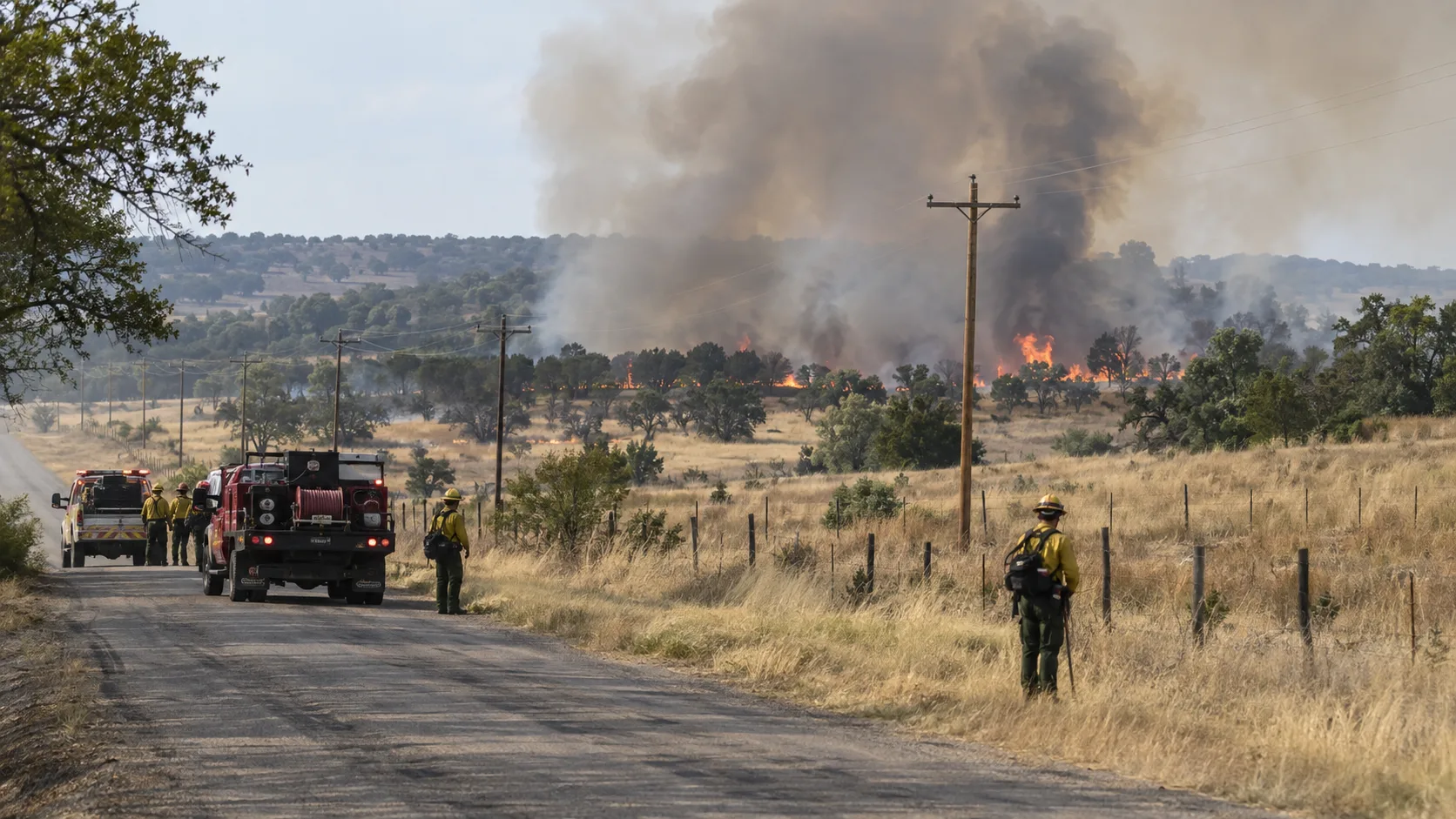
The collision happened as Greece battled multiple wildfires simultaneously amid a summer of record-breaking heat and drought across southern Europe. The largest fire, which began Friday near Agios Vasileios before sweeping toward the coastal community of Porto Germeno on the Gulf of Corinth, has destroyed more than 100 homes and forced evacuations of hundreds of residents, some by sea when roads were cut off by fire and smoke. Flames later crossed a mountain and reached a military firing range, setting off unexploded ordnance. A separate fire forced evacuations on the tourist island of Kefalonia, where a 44-year-old man was arrested on suspicion of deliberately starting the blaze.
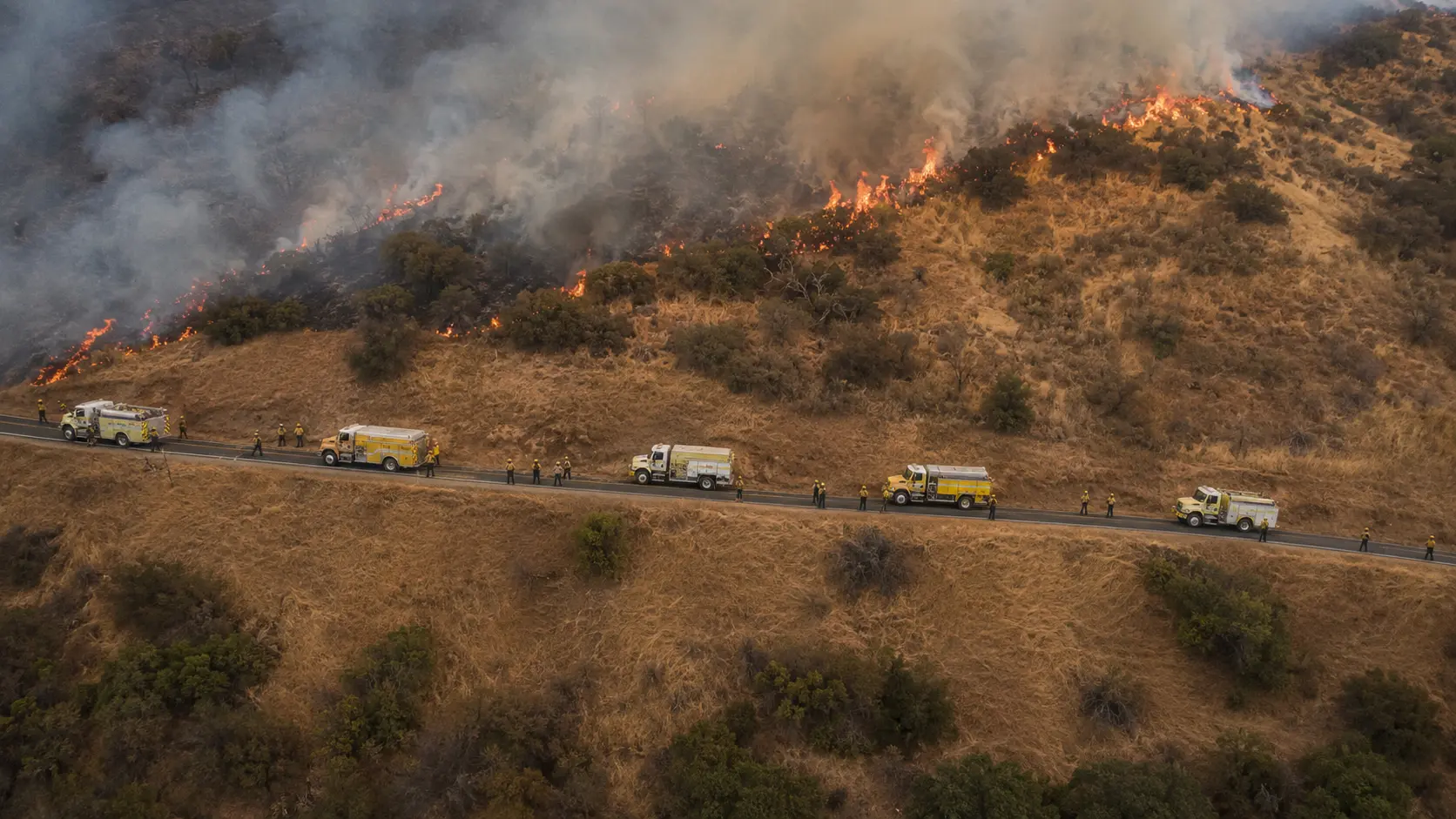
Nearly 500 Greek firefighters and 23 aircraft have been deployed, reinforced by crews from France and Romania. A local farmer near Porto Germeno, watching flames sweep through the landscape, told PBS NewsHour it felt like "a pristine forest, a paradise, was surrendered to the hands of the fire." Greek Prime Minister Kyriakos Mitsotakis said the country's fire service, civil protection agencies, and volunteers have faced an exceptionally difficult stretch of extreme weather and wind.
A Deadly Summer for Aerial Firefighters Worldwide
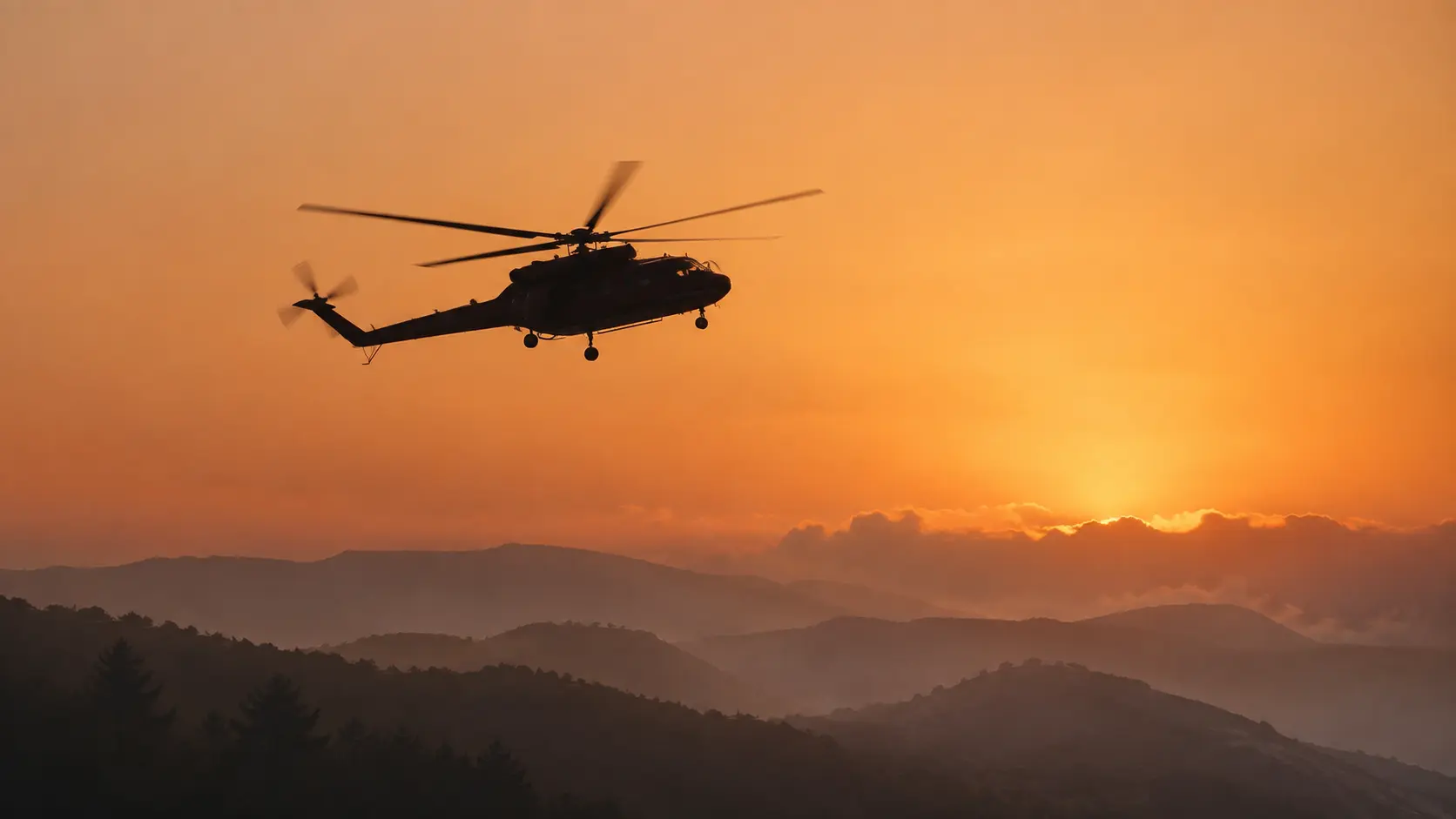
The Psatha collision is part of a grim pattern this year. Earlier this week, two firefighters died battling a blaze on Crete and a third was killed in the Peloponnese. In the United States, a K-MAX helicopter pilot, Nicholas Dale, 56, died on July 12 when his aircraft crashed into a reservoir while fighting the Gold Mountain Fire near Ouray, Colorado — the fourth firefighter death in Colorado so far this year, following the deaths of three federal firefighters on the Snyder Fire in late June. Aerial firefighting fatalities tend to cluster in the hottest, driest stretches of the fire season, when aircraft are flying the most hours under the most extreme conditions.
What Happens Next
Greek aviation investigators have grounded all Bell-type helicopters operating in the firefighting fleet pending the outcome of the inquiry, while other aircraft types continue operations. The investigation is expected to examine flight-formation procedures, weather conditions at the time of the collision, and whether any mechanical factors contributed. Findings from crashes like this one typically inform updated formation-flying protocols across the international aerial firefighting community, since contracted crews and aircraft frequently move between countries during the Northern Hemisphere fire season.
We'll update this article as official details are confirmed. For the latest on Greece's wildfire response, follow the Hellenic Fire Service and major wire services (Reuters, AP, AFP) directly, since local conditions and evacuation orders can change quickly.

Comments 0
No comments yet. Be the first to share your thoughts!
Leave a Comment