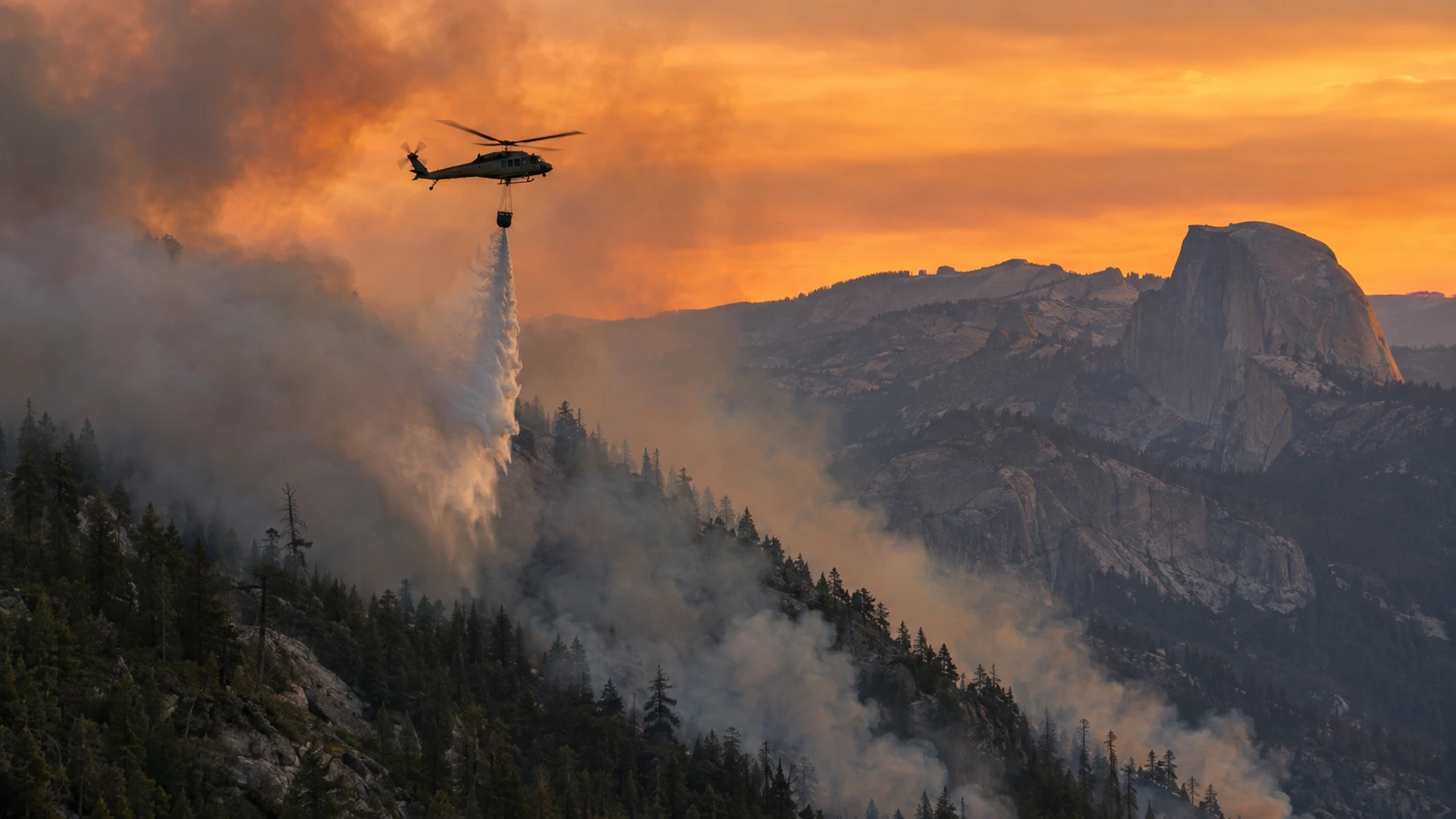
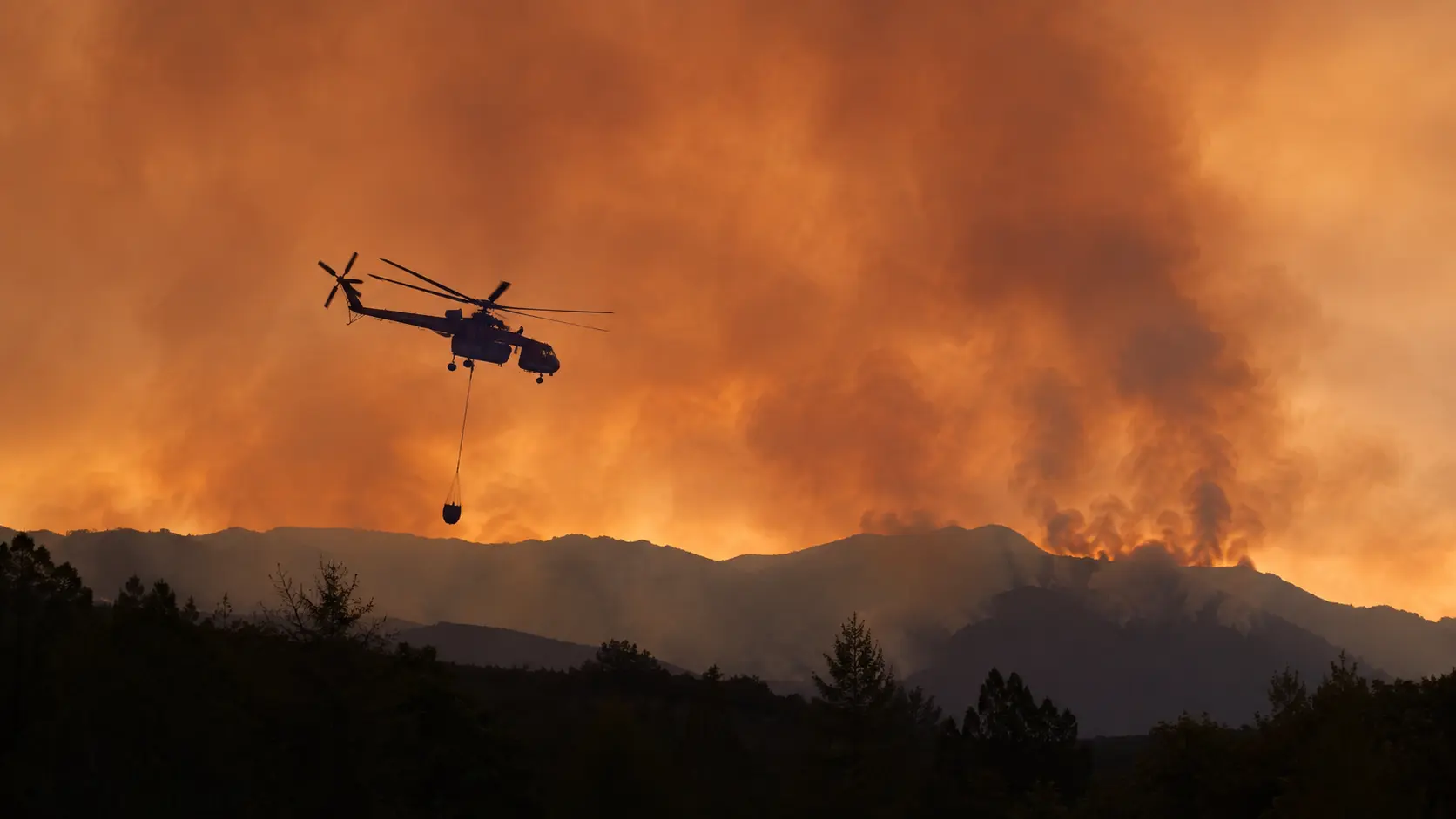
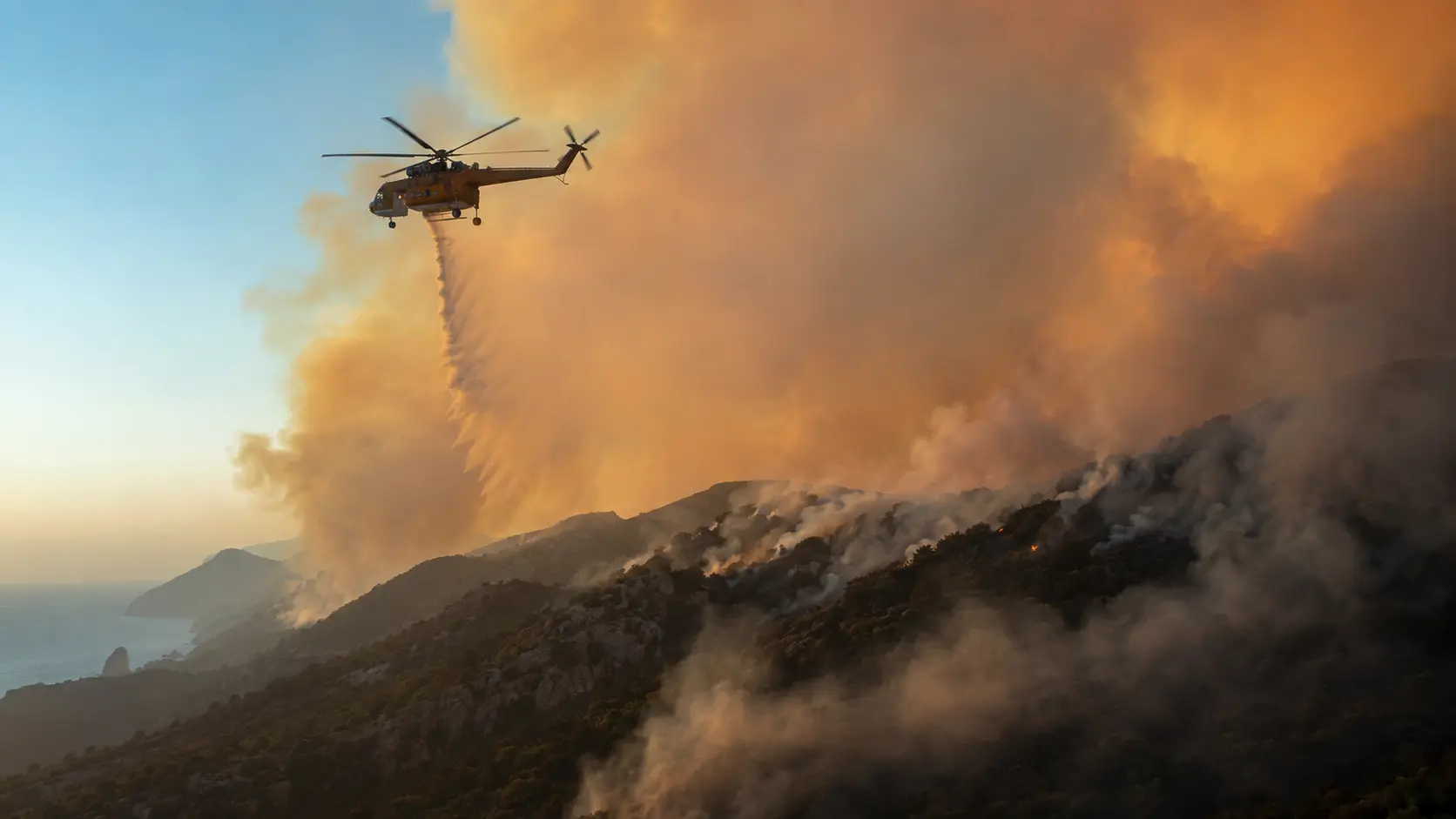
What we know: A firefighting helicopter crashed into Ostrander Lake in Yosemite National Park at about 2:55 p.m. Sunday, September 20, while making bucket drops on the Dome Fire. Both pilots on board were killed. Their employer, the aviation company Precision, identified them Monday night as Greg King, 56, and Ryan Cutter. The aircraft, a Eurocopter Super Puma, was contracted through Precision for the U.S. Forest Service and was working under California Incident Management Team 3. The FAA has released preliminary details, and the NTSB is leading the investigation into the cause. The Dome Fire itself stood at 3,222 acres and 15% containment as of the National Park Service's Monday morning update, with 581 personnel assigned.
The crash happened in some of the steepest, least accessible terrain the Dome Fire has burned through. According to fire officials, the helicopter had departed Batterson Helipad outside Oakhurst and was scooping water from Ostrander Lake — about 9 miles south of El Capitan and 7 miles northeast of Wawona — when it went down. Benjamin Cossel, a public information officer with California Incident Management Team 3, said the crew was in the middle of bucket-drop operations at the time. "That crew was working on doing bucket drops as a part of our suppression operations," Cossel said. "The helicopter did crash and the two pilots on board were killed."
In this article:
What Happened Sunday Afternoon
The Eurocopter AS332 Super Puma was one of the larger aircraft assigned to the Dome Fire, used to move crews and equipment into terrain too steep and remote for ground access, support helitack rappel operations, and make water drops from natural water sources like Ostrander Lake. The two pilots were the only people on board. Their remains were recovered Monday afternoon. Crews and aviation personnel assigned to the fire were pulled from the area while search and recovery took place.
The loss was felt immediately across the incident. "We're all family here. This is our family. We've lost family members," Cossel said of the response among firefighters and aviation crews working the Dome Fire.
Who Greg King and Ryan Cutter Were
Precision, the aviation company that employed both men, confirmed their identities in a statement posted late Monday night. "These two men deserve every single one of them, as do their families and friends," the company said, adding that the pair "brought honor to the mission."
Greg King, 56, was a contract helicopter pilot from Palmer, Alaska, where he lived with his wife and was stepfather to two children. He had previously flown under contract with the Alaska Division of Forestry & Fire Protection, and colleagues there described him as an experienced wildland aviator who had worked multiple fire seasons in the state. Ryan Cutter flew as King's crewmate; the two were based together out of Idaho's Payette National Forest and worked as a regular flight crew for Precision. Days before the crash, Cutter had shared video and photos of the Dome Fire from the air with a local news outlet, giving the public a rare look at the operation the two men were part of.
The Investigation So Far
The FAA confirmed the crash time and location Monday and said both the FAA and NTSB would investigate, with the NTSB in the lead role, as is standard for fatal aircraft accidents. Officials have not released a cause and have cautioned that a full investigation typically takes months. No additional details on the mechanics of the crash — whether it involved the water-scooping maneuver itself, a mechanical failure, or another factor — had been made public as of this writing.
Where the Dome Fire Stands
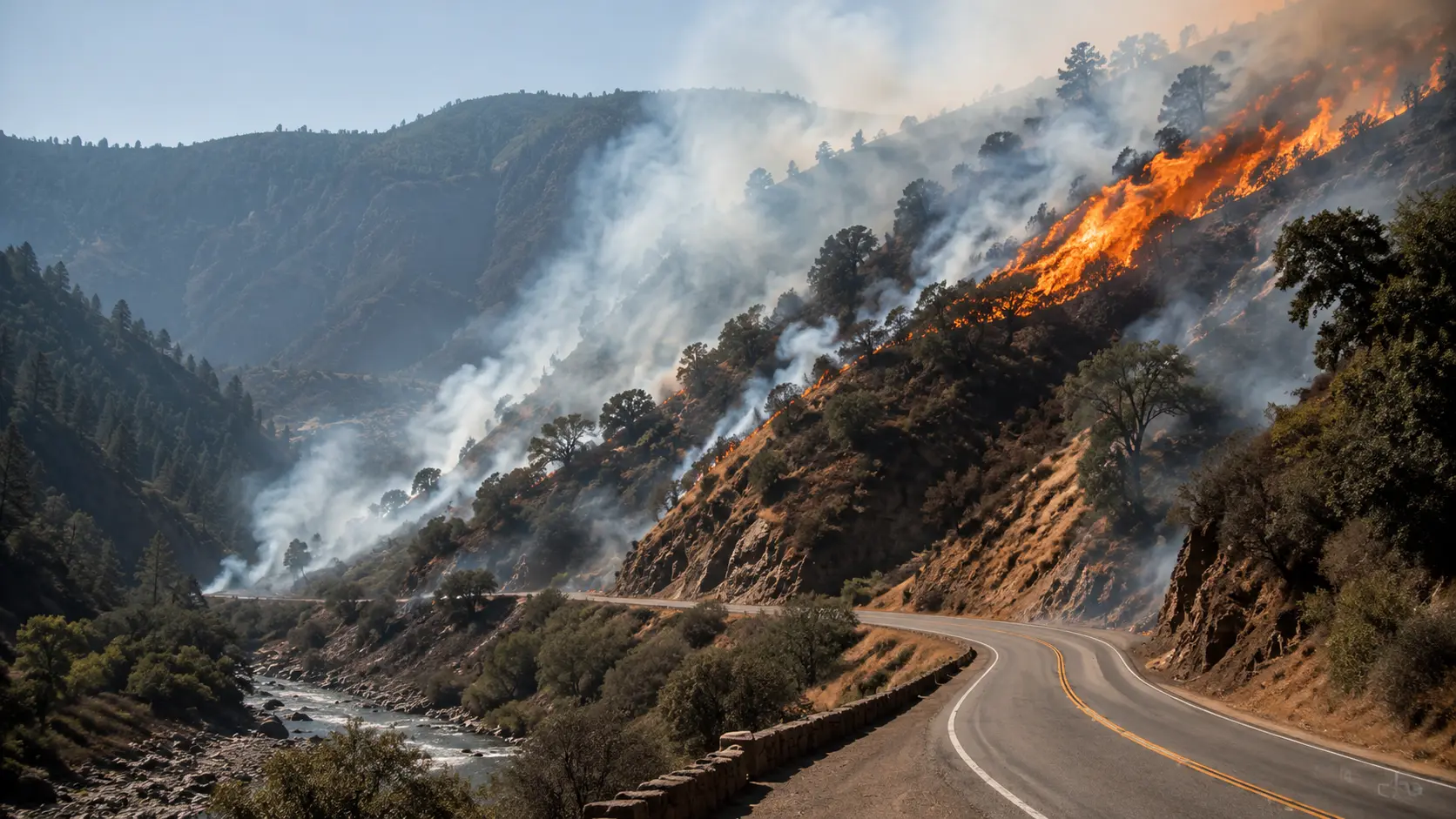
The Dome Fire started September 15 about a quarter-mile north of Chilnualna Falls, one of southern Yosemite's most popular hikes, and grew explosively in its first days — jumping from roughly 100 acres to more than 1,100 acres in a single day as south and southeast ridge winds drove flame through cured grass, brush, and timber. California Interagency Incident Management Team 3 took command on September 18 as personnel on the fire doubled overnight.
| Date | Size | Containment |
|---|---|---|
| Sept. 15 (start) | ~100 acres | 0% |
| Sept. 17 | 1,177 acres | 0% |
| Sept. 18 | 1,977 acres | 10% |
| Sept. 21 (latest) | 3,222 acres | 15% |
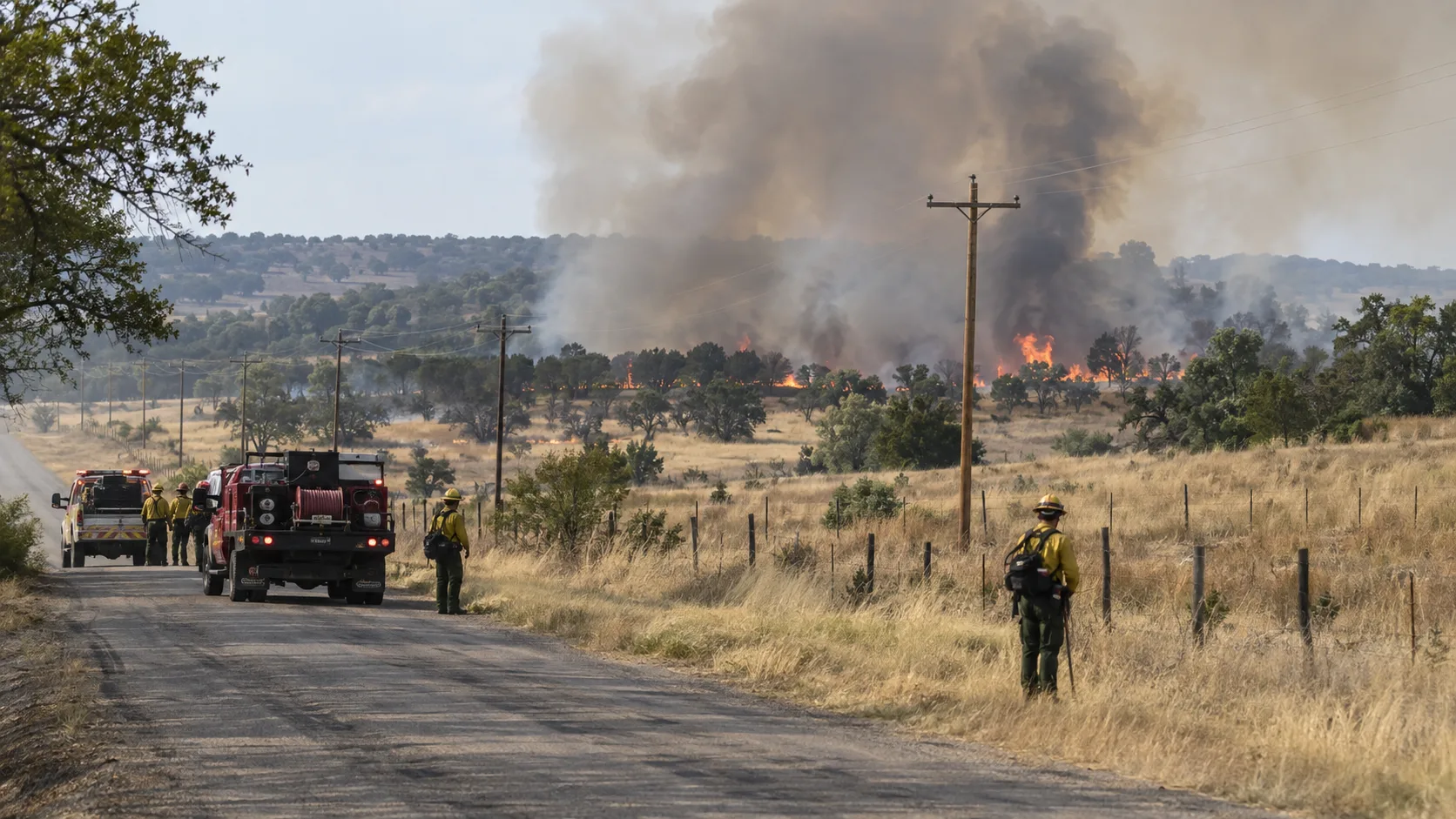
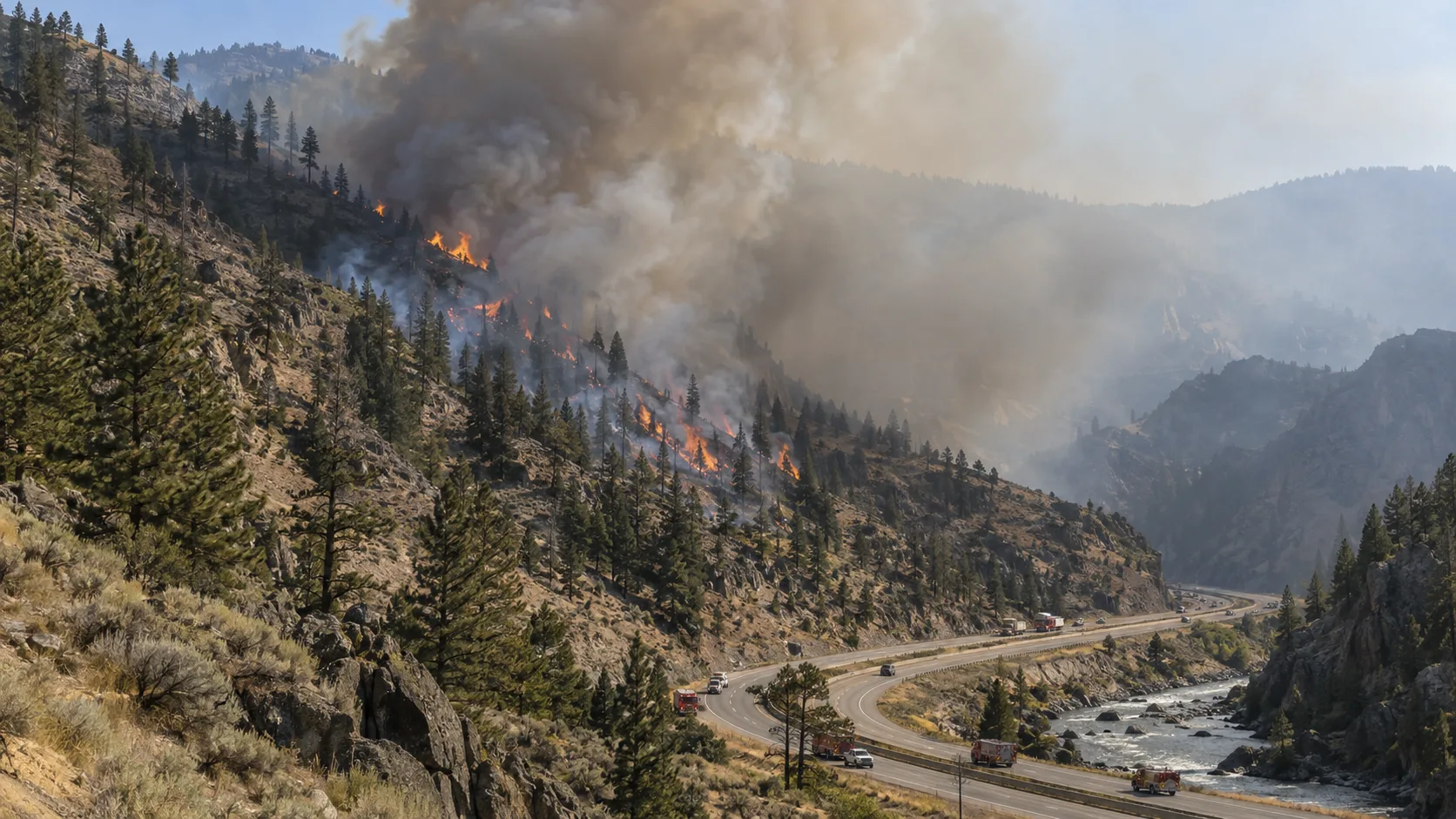
The fire is now pushing into the footprint of the 2017 Empire Fire to the north, where heavy dead-and-down fuel is producing spot fires ahead of the main perimeter — a pattern the Dome Fire has followed for much of the past week. Crews are working to tie the fire into that old burn scar and other natural barriers rather than fighting it head-on in the steepest sections. The Chilnualna Falls Trail, the Ostrander Lake Trail, and surrounding areas remain closed, though Yosemite National Park itself is open and operating normally elsewhere. Smoke has pushed air quality in Wawona to unhealthy levels at times, and there are no evacuation orders or warnings in place for the fire itself.
A Difficult Year for Wildland Aviation
King and Cutter's deaths add to what federal officials describe as the deadliest wildfire season for personnel since 2022, when 25 fatalities were recorded nationwide; at least 14 people had died supporting wildfire response in the U.S. this year even before Sunday's crash. Aviation has been hit especially hard. In July, pilot Nicholas Dale, 56, of Sooke, British Columbia, died when his K-Max helicopter crashed into Silver Jack Reservoir in Colorado while dipping water for the Gold Mountain Fire — the fourth firefighter death in Colorado that season, following a burnover that killed three helitack crew members near the Colorado-Utah border in late June. In August, two more helicopter pilots died fighting a fire in Utah. Elsewhere this year, a firefighter suffered a fatal medical emergency while working a wildfire in Oklahoma, and a firefighter in Oregon was struck and killed by a tree he was cutting in Mt. Hood National Forest.
For firefighters, the pattern underscores a hazard that's easy to overlook next to the fire itself: aviation is consistently one of the leading causes of line-of-duty deaths in wildland firefighting, particularly during water- and retardant-drop operations in steep, remote terrain where aircraft are flying low, slow, and often in degraded visibility from smoke.
What Happens Next
Suppression efforts on the Dome Fire are continuing despite the loss, with hand crews working the west and north flanks and structure firefighters staged at Yosemite West and Wawona as a precaution. The NTSB investigation into the crash is expected to take months and will include recovery and examination of the aircraft wreckage. Precision and the U.S. Forest Service have not announced memorial arrangements for King and Cutter as of this writing; further tributes are expected from the aviation and wildland fire communities in the days ahead.
Where to Get Live Updates
- NPS Yosemite Dome Fire updates (nps.gov/yose) — official daily incident updates, closures, and smoke outlook.
- CAL FIRE incident page (fire.ca.gov/incidents) — containment and resource figures.
- fire.airnow.gov — real-time smoke and air quality impacts for Wawona and the surrounding area.
- NTSB.gov — for eventual findings from the crash investigation.
This is a developing story. We'll update this article as the NTSB, the U.S. Forest Service, and Yosemite National Park release further information.
Comments 0
No comments yet. Be the first to share your thoughts!
Leave a Comment