Update, August 15: The two pilots killed in the Widemouth 2 Fire helicopter crash have been identified as Chris Andersen, 64, of Stateline, Nevada, and Miles Elliott, 50, of Porterville, California. Both were honored in a procession on Friday, August 14, escorting their remains from the Utah medical examiner's office to Salt Lake City International Airport before they were returned to their families for final services. This article has been updated throughout with their identities, tribute details, and the fire's current containment status.
Two separate incidents in early August underscored how dangerous wildland firefighting remains, even with modern equipment and training. A dozer operator was killed in Oregon when a wildfire's sudden growth cut off his escape route, and a heavy-lift helicopter crashed while battling one of Utah's largest fires of the year, killing both pilots aboard. One week later, the fire service and two hometowns paused to honor the men who died in Utah.
Utah: Pilots Identified as Chris Andersen and Miles Elliott
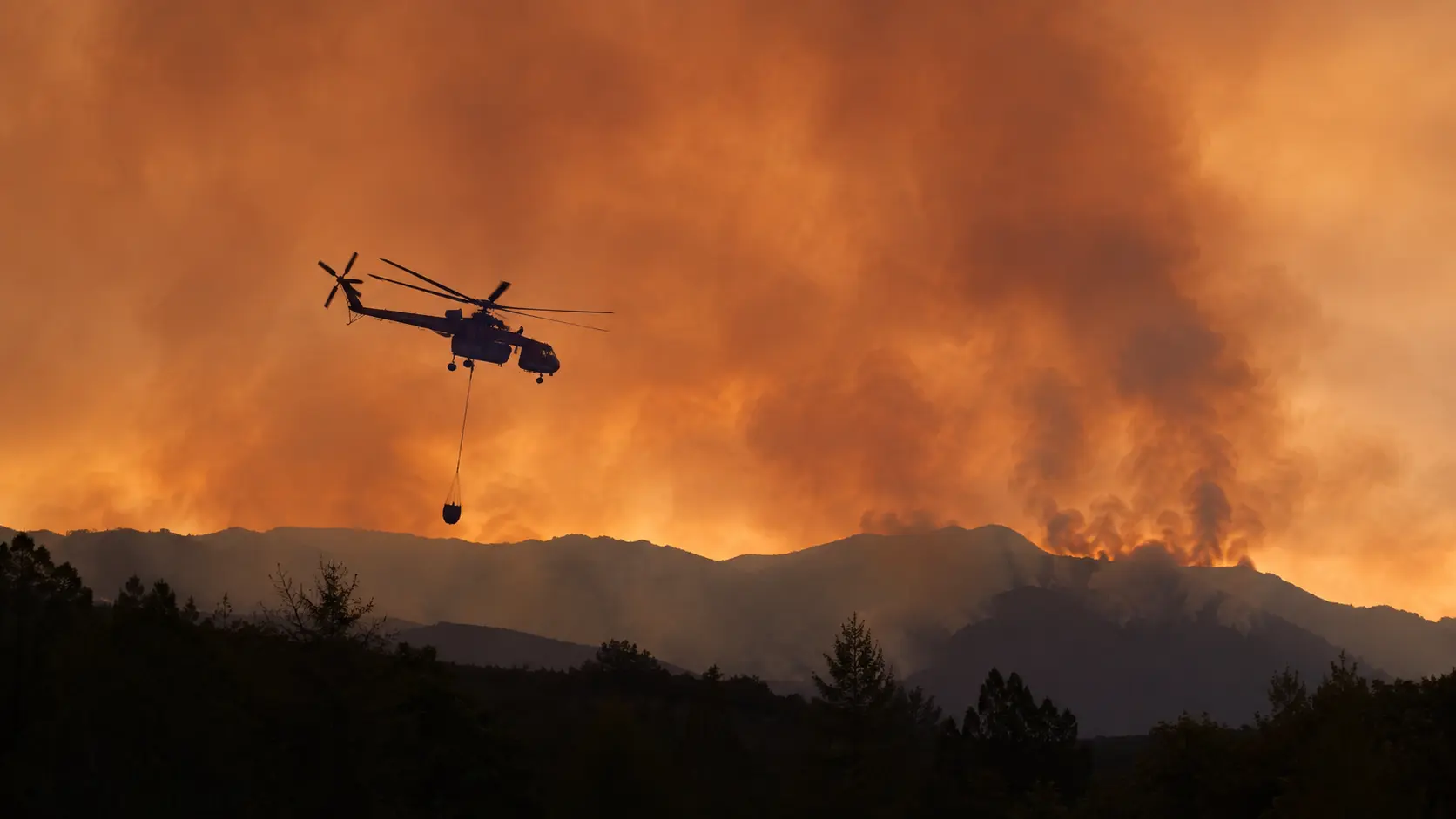
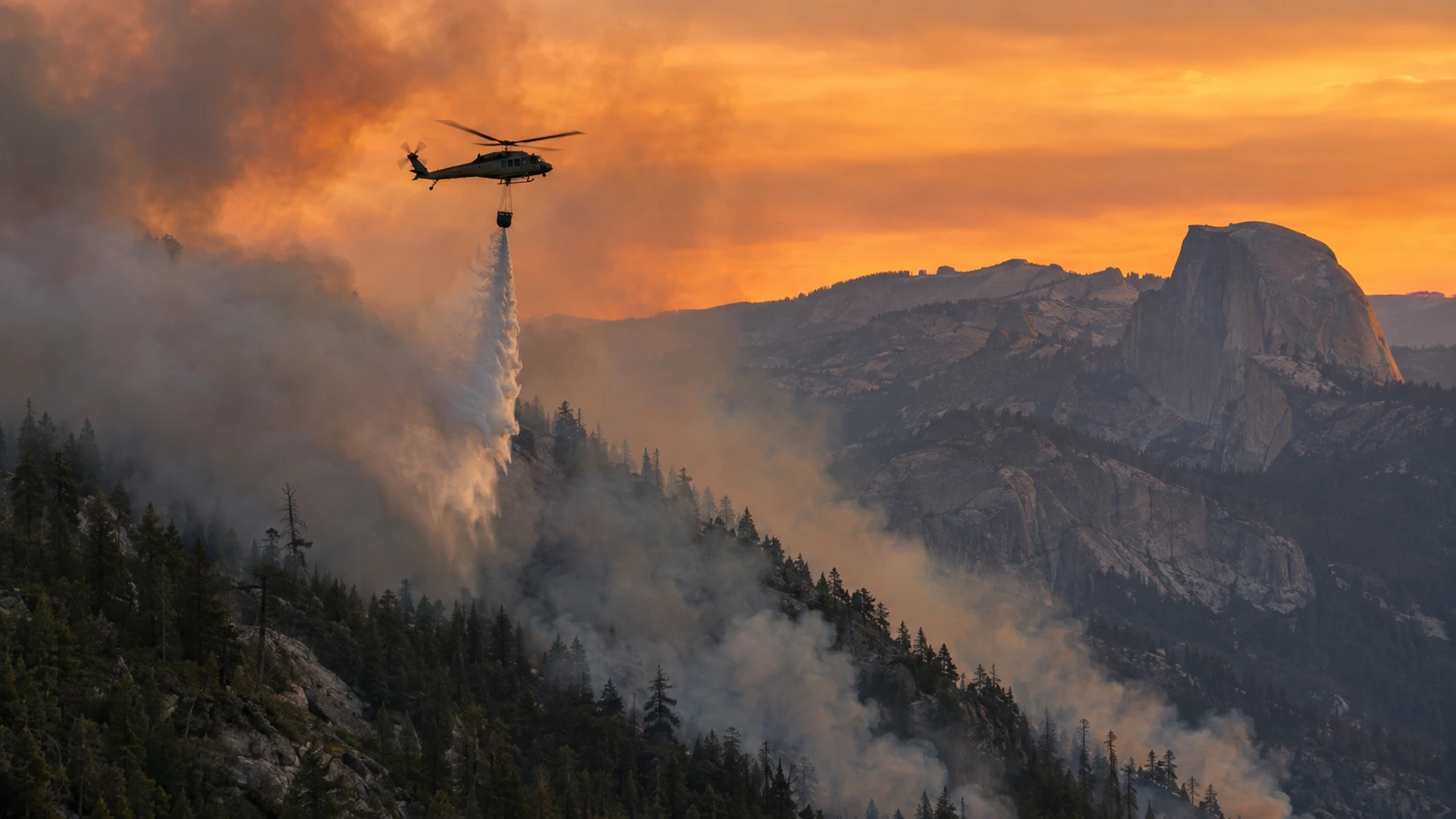
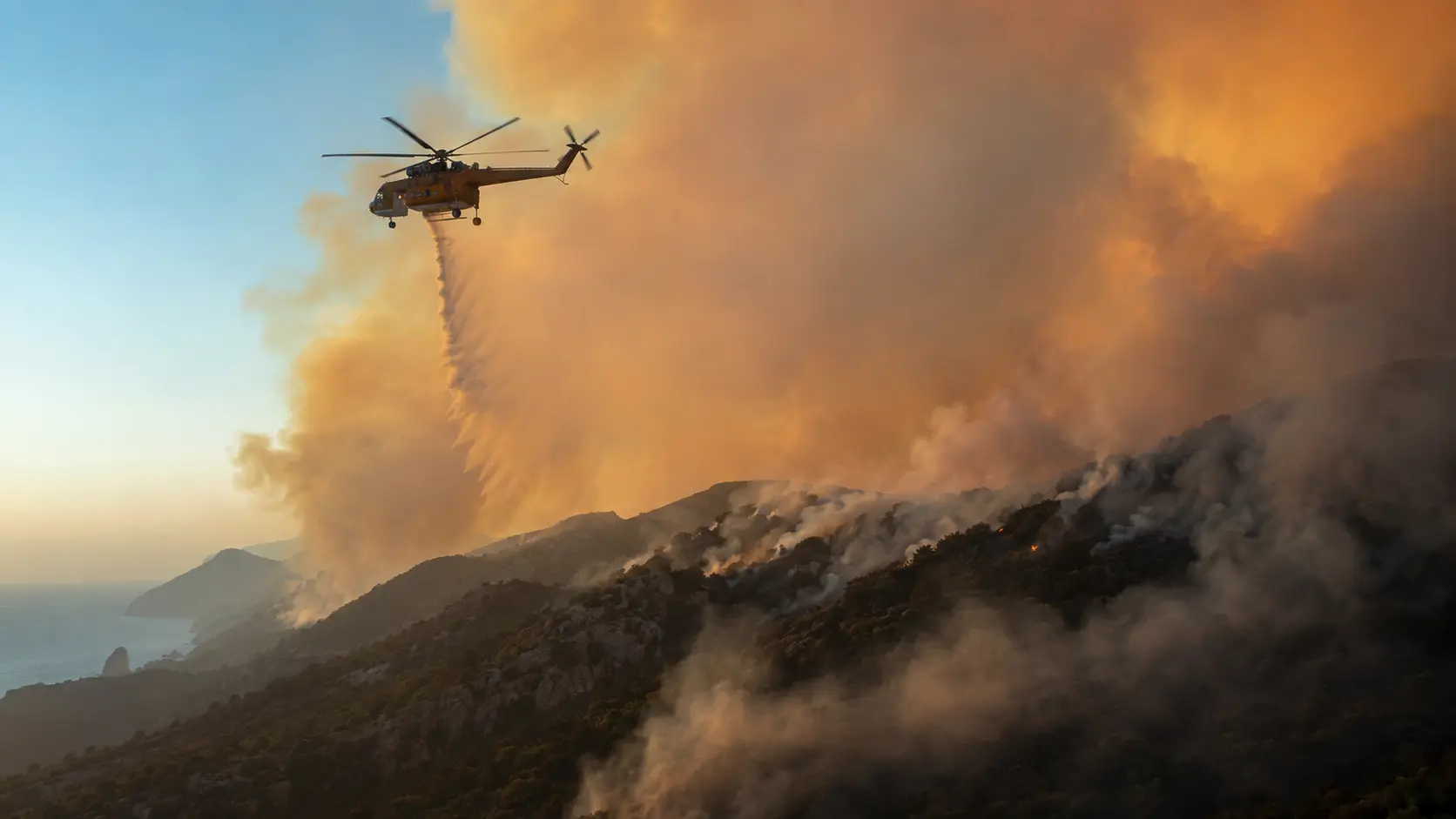
At approximately 10:40 a.m. on Friday, August 7, a Sikorsky S-64 "Skycrane" — a heavy-lift helicopter commonly used for aerial water and retardant drops — crashed in the Three Creeks Reservoir area southwest of Richfield, Utah, according to the Federal Aviation Administration. The aircraft was one of several assigned to the Widemouth 2 Fire, a lightning-caused blaze burning in the Fishlake National Forest, and was operating under an exclusive-use contract with the U.S. Forest Service through contractor Helicopter Transport Services. The crash itself ignited a spot fire, and active fire behavior in the area initially kept crews from safely reaching the site; both pilots were confirmed dead the following day, Saturday, August 8.
The pilots were later identified as Chris Andersen, 64, of Stateline, Nevada, and Miles Elliott, 50, of Porterville, California. Andersen was a U.S. Army veteran and aerial firefighting pilot with roughly 40 years of experience, a career that took him from NATO deployments to oil-field flying in Africa; friends and fellow aviators described him as disciplined and dependable, and he was reportedly just months from retirement. Elliott, a father and pilot who also worked as a photographer and entrepreneur, had served as an extra-help firefighter for the Tulare County Fire Department for nearly 15 years and sat on the Porterville Airport Committee and the Porterville Little League board.
Governor Spencer Cox addressed the crash the day it happened: "Wildland firefighting is among the most dangerous jobs in the world. Today is a painful reminder of the extraordinary risks these brave men and women accept to protect us." After the pilots were identified, Cox added: "Chris Andersen and Miles Elliott dedicated their lives to serving others, and they made the ultimate sacrifice while protecting our state." The National Transportation Safety Board, with the FAA assisting, is leading the investigation into the crash's cause; no findings have been released as of this update.
Procession and Tributes
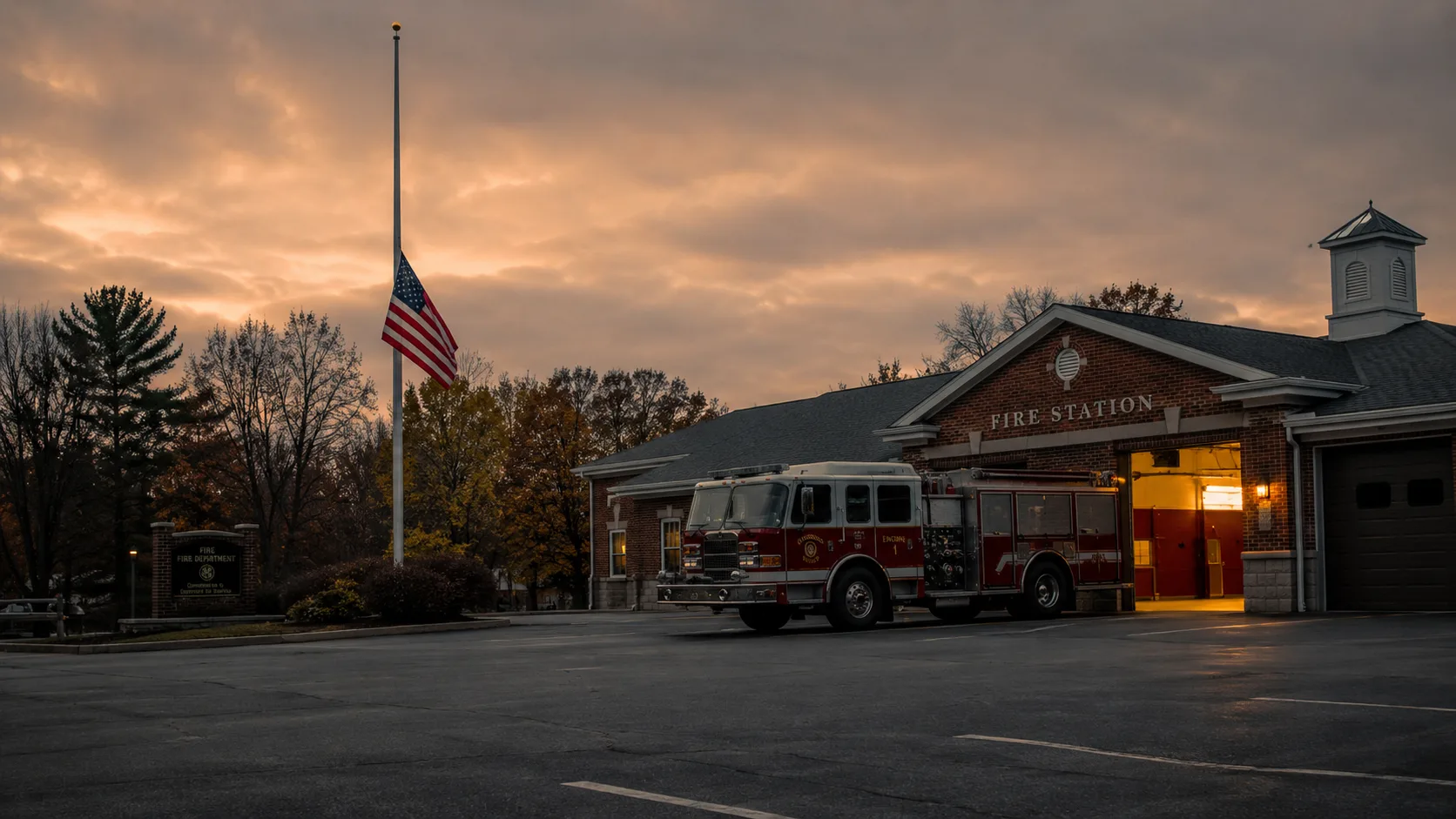
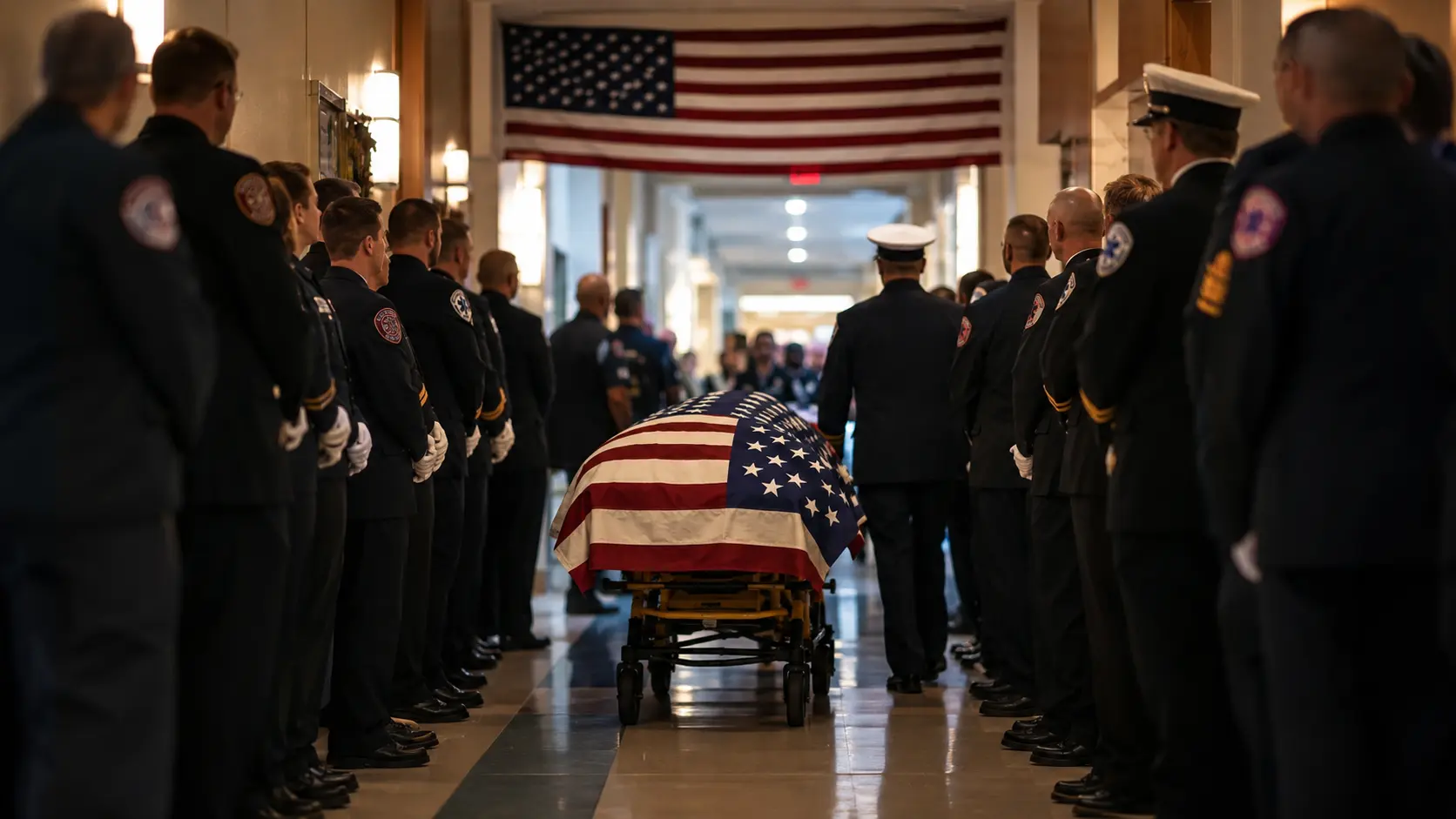
Governor Cox ordered Utah state flags lowered to half-staff beginning August 11, remaining lowered until sunset on the day of the pilots' last interment. On Friday, August 14, a procession for both men began at 11 a.m. at the state medical examiner's office in Taylorsville, escorted by the Utah Highway Patrol along Interstate 215 to Salt Lake City International Airport, where community members and first responders lined the route to pay their respects before the men were flown home. Elliott's remains continued on to Porterville, California, where a fire-engine and law-enforcement procession that afternoon escorted him from the local airport to Myers Funeral Home; the city lowered flags at all official facilities in his honor, and a GoFundMe page was set up to support the family he leaves behind.
In Congress, Utah Senators John Curtis and Mike Lee joined Colorado Senators Michael Bennet and John Hickenlooper in introducing a bipartisan resolution honoring wildland firefighters nationwide, referencing both this crash and the earlier Snyder Fire burnover that killed federal wildland firefighters near the Utah-Colorado border in June. "On the front lines of every wildfire are brave men and women who embody the very best of public service: courage, selflessness, and a commitment to protecting our communities, often at great personal risk," Curtis said.
Widemouth 2 Fire: Now 65% Contained
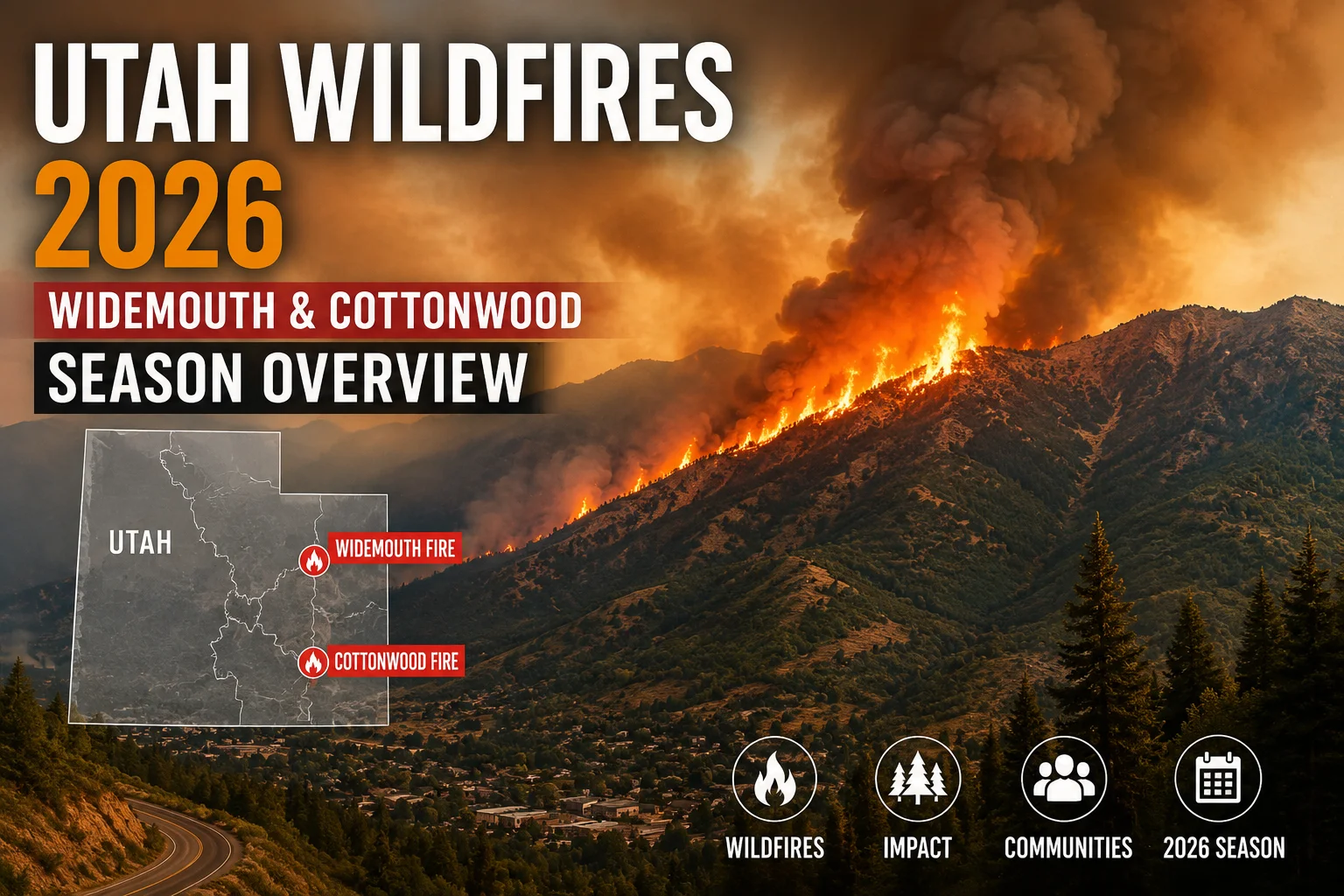
The Widemouth 2 Fire started from a lightning strike on July 27, 2026, and grew rapidly amid hot, dry, and at times windy conditions, surpassing the Babylon Fire to become Utah's largest wildfire of 2026. As of August 14, the fire has burned approximately 129,574 acres and is 65% contained — up sharply from 24% containment the weekend of the crash — with roughly 420 personnel still assigned. Fire behavior has eased from the extreme crowning and long-range spotting seen in the fire's first two weeks, though evacuations, closures, and rebuilding assessments continue in affected communities. Statewide, Utah's total burned acreage for 2026 has approached 500,000 acres, a mark the state has only reached twice before.
Oregon: Dozer Operator Killed When Fire Cut Off Escape Route
On Thursday, August 6, 47-year-old Jason Ensign died while operating a bulldozer for a timber company fighting the Wrights Spring Fire in south-central Oregon, east of the town of Chiloquin. According to the local sheriff's department, the fire escalated with "unexpected and rapid growth" that cut off Ensign's escape route. The fire has since burned well beyond its initial footprint, driven by extremely hot, dry weather that produced erratic fire behavior across the region.
Dozer operators working fire lines — often contracted from local timber and construction companies rather than dedicated wildland fire crews — face many of the same entrapment risks as hand crews and engine companies, cutting fire breaks in advance of fast-moving flame fronts, frequently in the same steep, heavily timbered terrain that makes suppression difficult in the first place.
A Difficult Season for Wildland Fire Safety
The Oregon and Utah losses came during what has already been an unusually deadly wildland fire season in the region. In June, four firefighters were killed and a fifth injured in a burnover incident while battling the Knowles and Gore fires near the Utah-Colorado border, which merged with other lightning-caused fires to form the Snyder Fire — three were pronounced dead at the scene, and a fourth died weeks later from injuries sustained in the incident. Between that tragedy and the losses in Oregon and Utah this month, the 2026 season has been a stark reminder of the risk wildland crews, contract equipment operators, and aviation personnel accept every time they respond.
Both Chris Andersen and Miles Elliott have now been returned to their families for final services. We'll continue to update this article if the NTSB releases findings on the crash's cause, and our thoughts remain with everyone affected by this difficult stretch of the wildfire season.

Comments 0
No comments yet. Be the first to share your thoughts!
Leave a Comment