How to Prevent Kitchen Fires in 2025: The Complete U.S. Fire Safety Guide
Kitchen fires are the leading cause of residential fires in the United States. With modern appliances, high-heat cooking, and busy family schedules, 2025 has already shown a rise in kitchen-related incidents reported by local fire departments. The good news? Almost every one of these fires is preventable.
1. Never Leave Cooking Unattended
Over 40% of all U.S. cooking fires begin when someone steps away from an active stove. Whether frying, boiling, or broiling, remain in the kitchen at all times. If you must leave—even for a moment—turn off the burner.
2. Understand Grease Fire Behavior
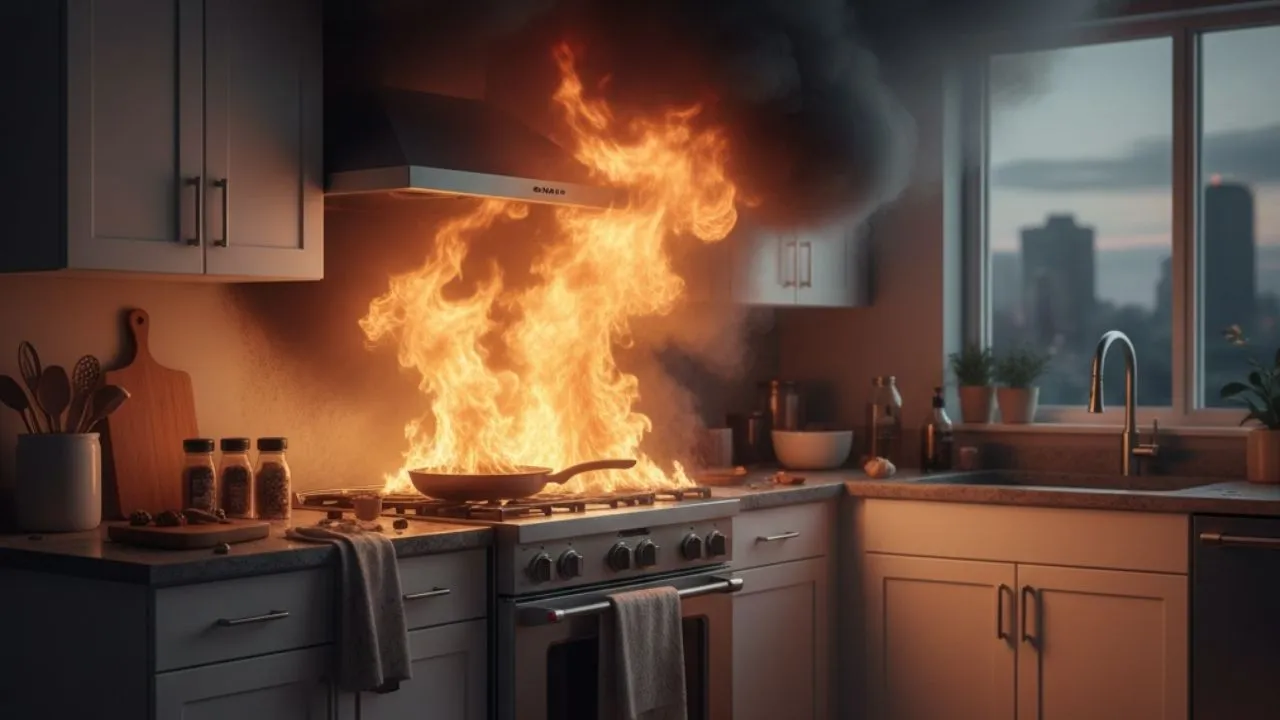
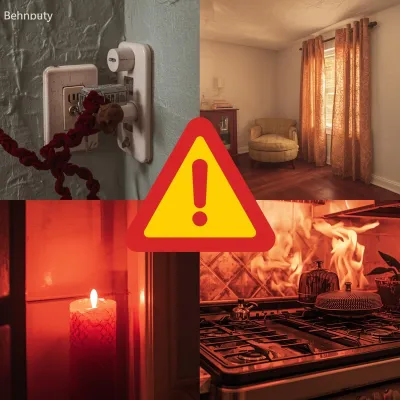
Grease fires behave differently from standard flame ignition. They spread faster, burn hotter, and become uncontrollable within seconds. Important rules:
- Never use water on a grease fire—it causes explosive flare-ups.
- Cover the pan with a metal lid to smother flames.
- Turn off heat immediately.
- Use baking soda—not flour—to suppress flames.
3. Air Fryer & Modern Appliance Fire Safety
Air fryers, electric skillets, and new kitchen gadgets now cause thousands of fires due to poor cleaning habits or placement errors. Tips for 2025:
- Keep appliances away from walls and cabinets.
- Clean grease trays frequently.
- Ensure proper ventilation.
- Do not overload outlets powering high-wattage devices.
4. Keep Flammables Away From Heat Sources
Paper towels, plastic utensils, food packaging, wooden spoons, and oven mitts can ignite instantly when placed near an active burner. Maintain a 3-foot safety zone around your stovetop.
5. Install the Right Kitchen Fire Extinguisher
A Class K extinguisher is ideal for grease-heavy kitchens, while an ABC extinguisher provides general protection. Store extinguishers near the exit—not next to the stove—so you can escape safely while operating them.
6. Check Cooking Oils and Temperature Control
Overheated oils are one of the fastest-growing causes of kitchen fires. Monitor temperatures closely when deep frying or sautéing. Use thermometers when possible and avoid reusing degraded oil.
7. Child Safety: Reduce Burn and Fire Risk
With more children in the kitchen during family meal prep, the risk grows. Firefighters recommend:
- Create a “kid-free zone” around cooking areas.
- Turn pot handles inward.
- Keep lighters and matches locked away.
8. Clean Appliances and Cooking Areas Regularly
Built-up grease inside ovens, air fryers, and stovetops ignites easily. Make cleaning part of your weekly schedule to prevent flare-ups.
9. Know When to Evacuate and Call 911
If a kitchen fire grows beyond what you can contain with a lid or extinguisher, evacuate immediately. Close doors behind you to slow fire spread and call 911. Firefighters report that many injuries occur when homeowners attempt to fight a fire that is already out of control.
Final Thoughts
Kitchen fire prevention in 2025 requires awareness, updated safety practices, and proper equipment. By following these firefighter-approved guidelines, American homes can significantly reduce the risk of dangerous cooking incidents.




Comments 0
No comments yet. Be the first to share your thoughts!
Leave a Comment