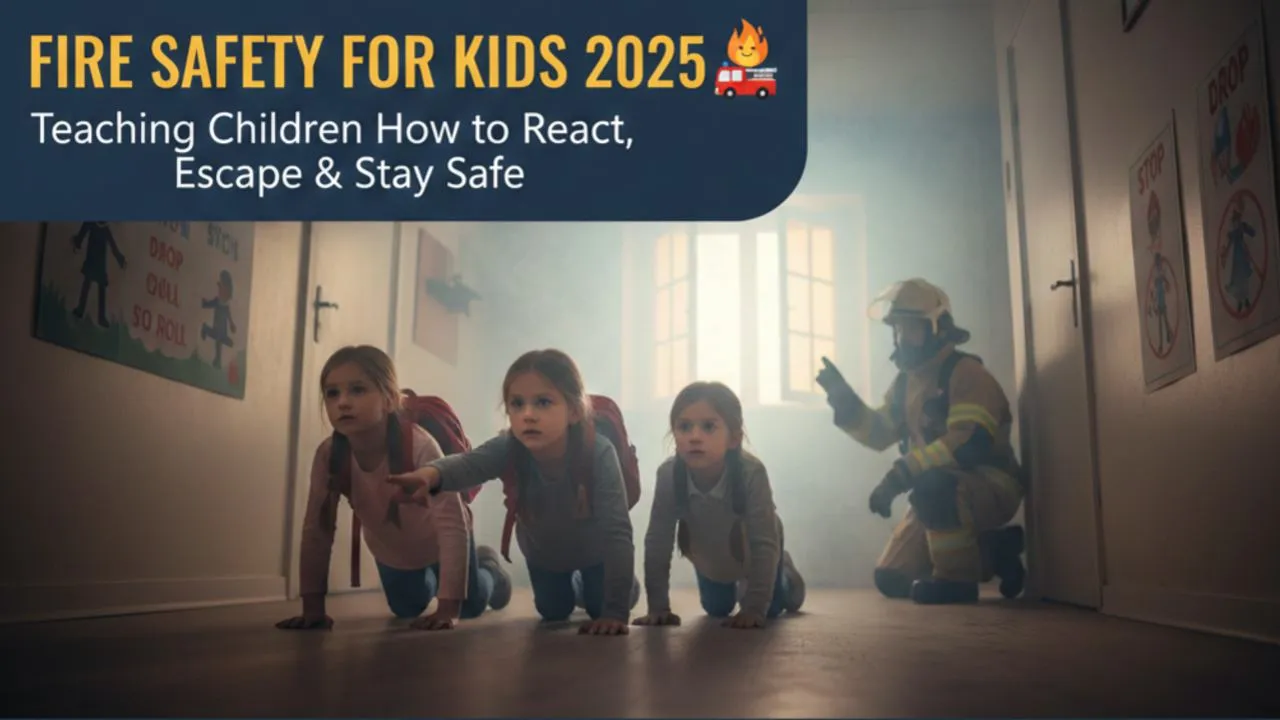

Fire Safety for Kids 2025: Teaching Children How to React, Escape & Stay Safe
Children are among the most vulnerable during home fires, yet they often receive the least training. Firefighters consistently report that many kids do not understand smoke behavior, escape planning, or how to react when alarms sound. This 2025 guide provides parents with proven strategies to prepare children for emergencies in a calm, empowering way.
1. Teach Kids What Smoke Alarms Mean
Children should immediately recognize the sound of a smoke alarm and know it means danger. Practice monthly by pressing the test button and explaining what to do when they hear the alarm.
2. Explain How Smoke Behaves
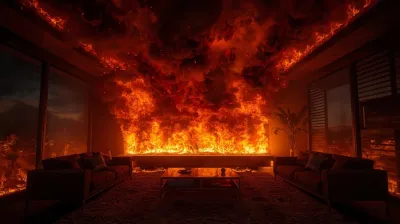
Kids often panic because they don't understand why rooms fill with smoke so quickly. Firefighters teach children that smoke:
- Rises to the ceiling first
- Contains toxic gases
- Makes it hard to see and breathe
- Moves faster than flames
This is why crawling low under smoke is essential.
3. Practice Stop, Drop & Roll
Kids must memorize and practice this technique in case clothing catches fire. Make it fun by turning practice into a game so it becomes instinctive.
4. Build a Child-Friendly Escape Plan
Your home escape plan should be easy enough for kids to follow independently. Teach them:
- Two ways out of every room
- Where the family meeting spot is
- How to open windows and screens
- Never hide during a fire
Many children hide under beds or in closets when scared. Reinforce that firefighters will come looking, but escaping quickly is safest.
5. Home Fire Drills: Practice Twice a Year
Drills make safety skills automatic. Practice:
- Escaping in the dark
- Crawling low under smoke
- Using alternative exits
- Meeting at the designated outdoor spot
Firefighters say practiced families escape faster and with fewer injuries.
6. Matches, Lighters & Curiosity Fires
Kids are naturally curious about fire. Prevent accidents by:
- Storing matches and lighters out of reach
- Explaining that fire is a tool—not a toy
- Teaching kids to tell an adult if they find a lighter
U.S. fire departments report thousands of "child curiosity fires" every year—most preventable.
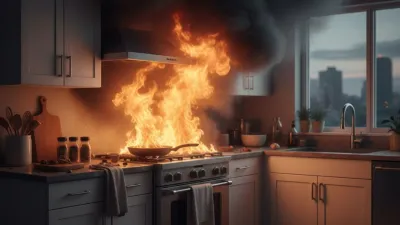
7. Kitchen Safety for Kids
The kitchen is the most dangerous room in the home during cooking. Teach kids:
- Never touch hot pans or handles
- Stay three feet away from the stove
- Keep sleeves rolled up to avoid catching fire
8. What Kids Should Do if They Can’t Escape
Instruct children to:
- Close the door to block smoke
- Place a towel at the bottom of the door
- Go to a window and wave for help
- Never jump unless firefighters instruct
Final Thoughts
Teaching fire safety to children is one of the most effective ways to protect your family. With practice, calm communication, and clear steps, kids can learn to react confidently and safely during emergencies. Use this 2025 guide to build lifelong safety habits.



Comments 0
No comments yet. Be the first to share your thoughts!
Leave a Comment