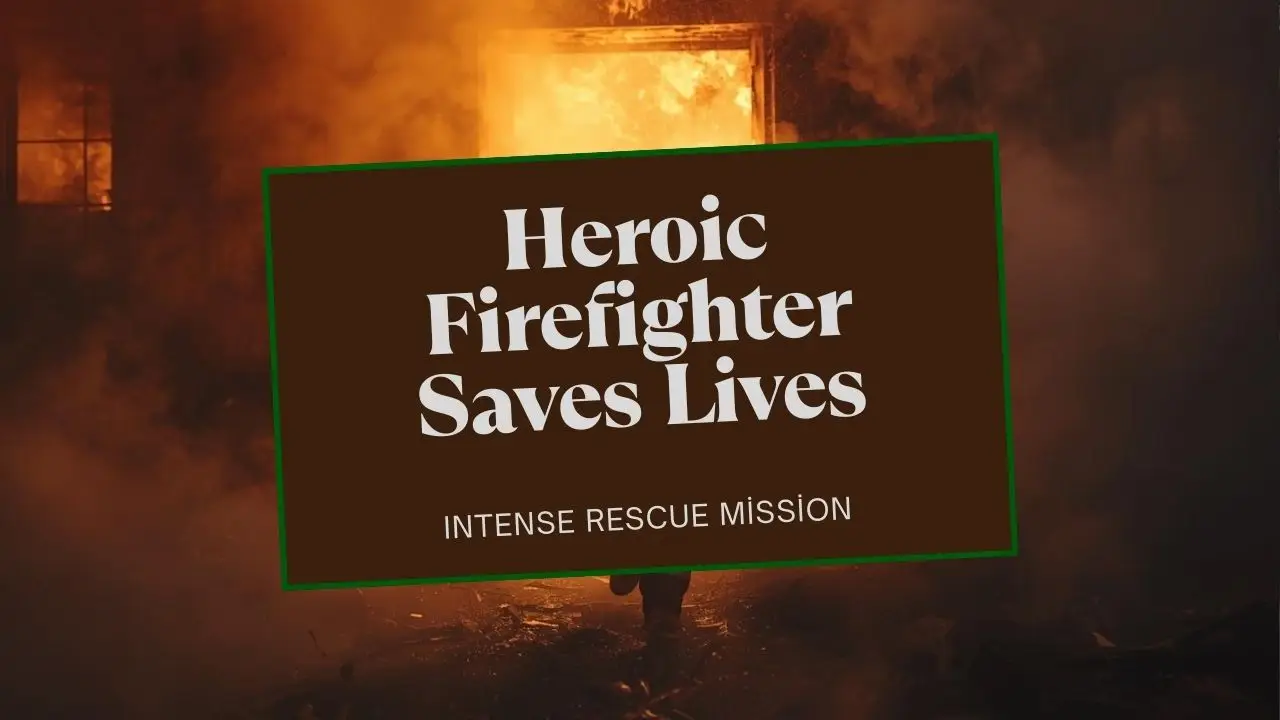

Most Heroic Firefighter Rescues Caught on Camera
Some of the most powerful firefighting moments the world has ever seen have been captured on video. Helmet cams, doorbell cameras, security footage, and bystander phones have all shown the public what firefighters really face on the fireground. These videos do more than go viral; they remind us why training, teamwork, and courage matter when seconds decide life or death. In this article, we look at the most heroic firefighter rescues caught on camera and examine the lessons behind these incredible saves.
The Power of Helmet Cam Footage
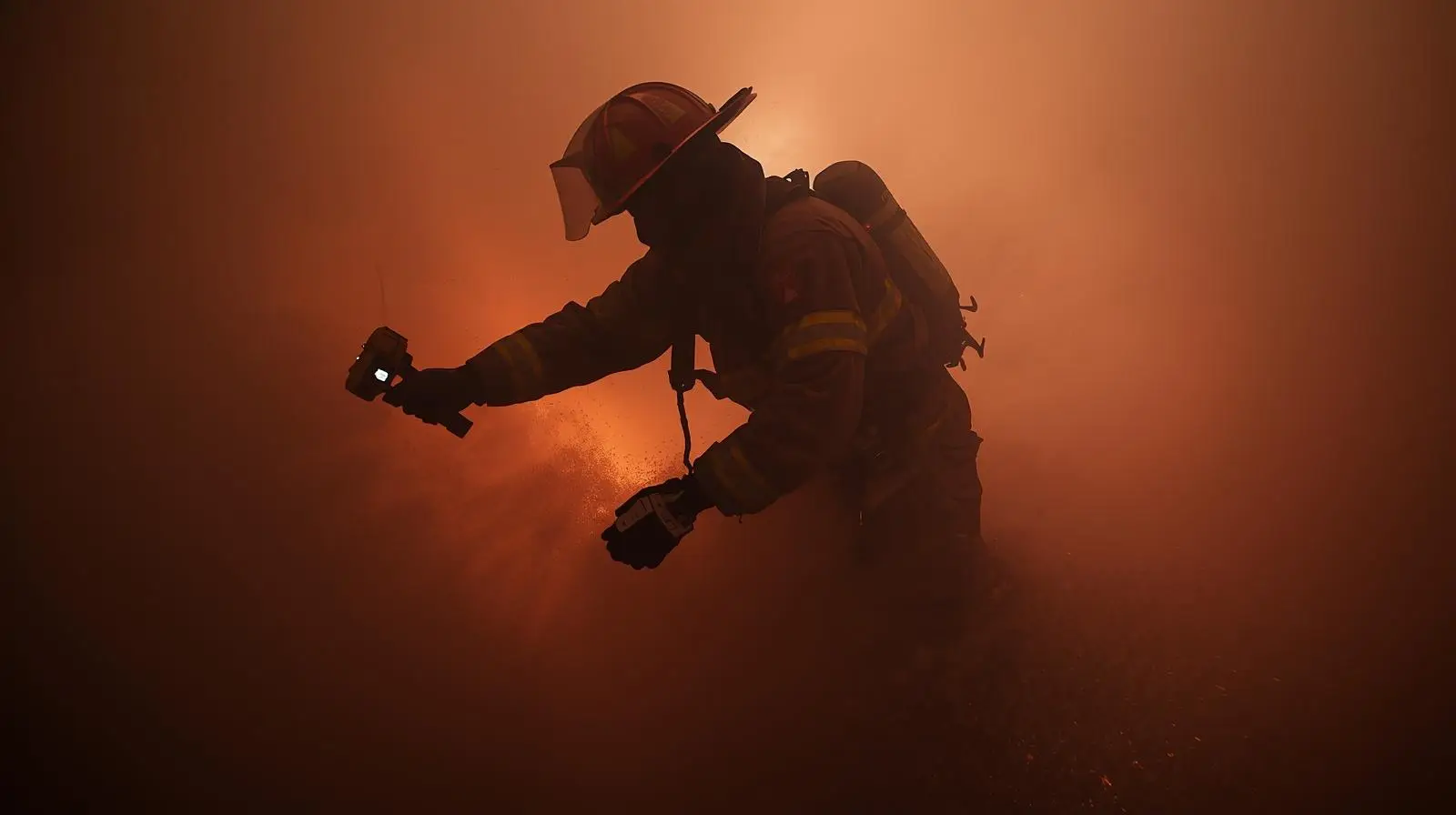
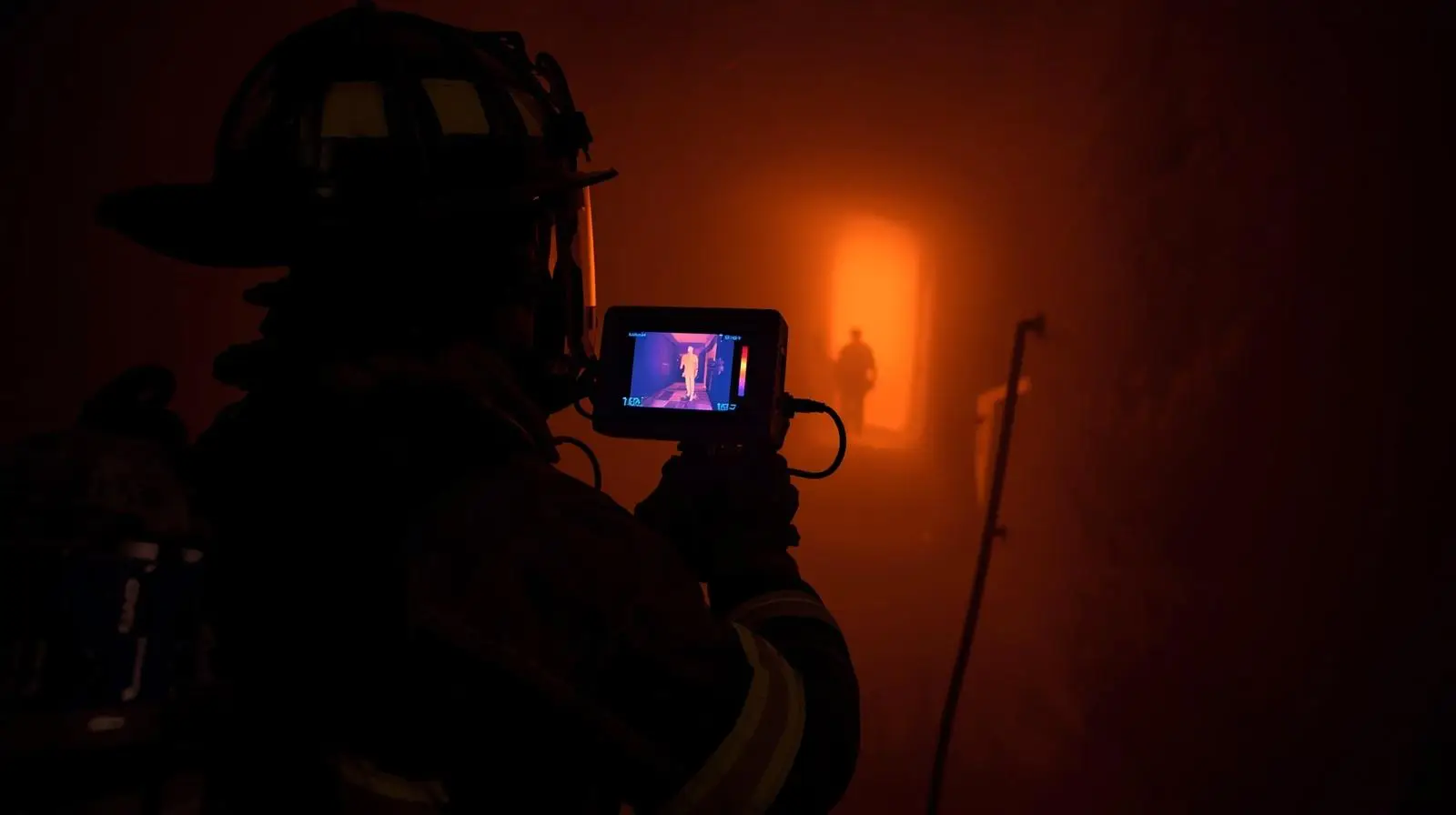
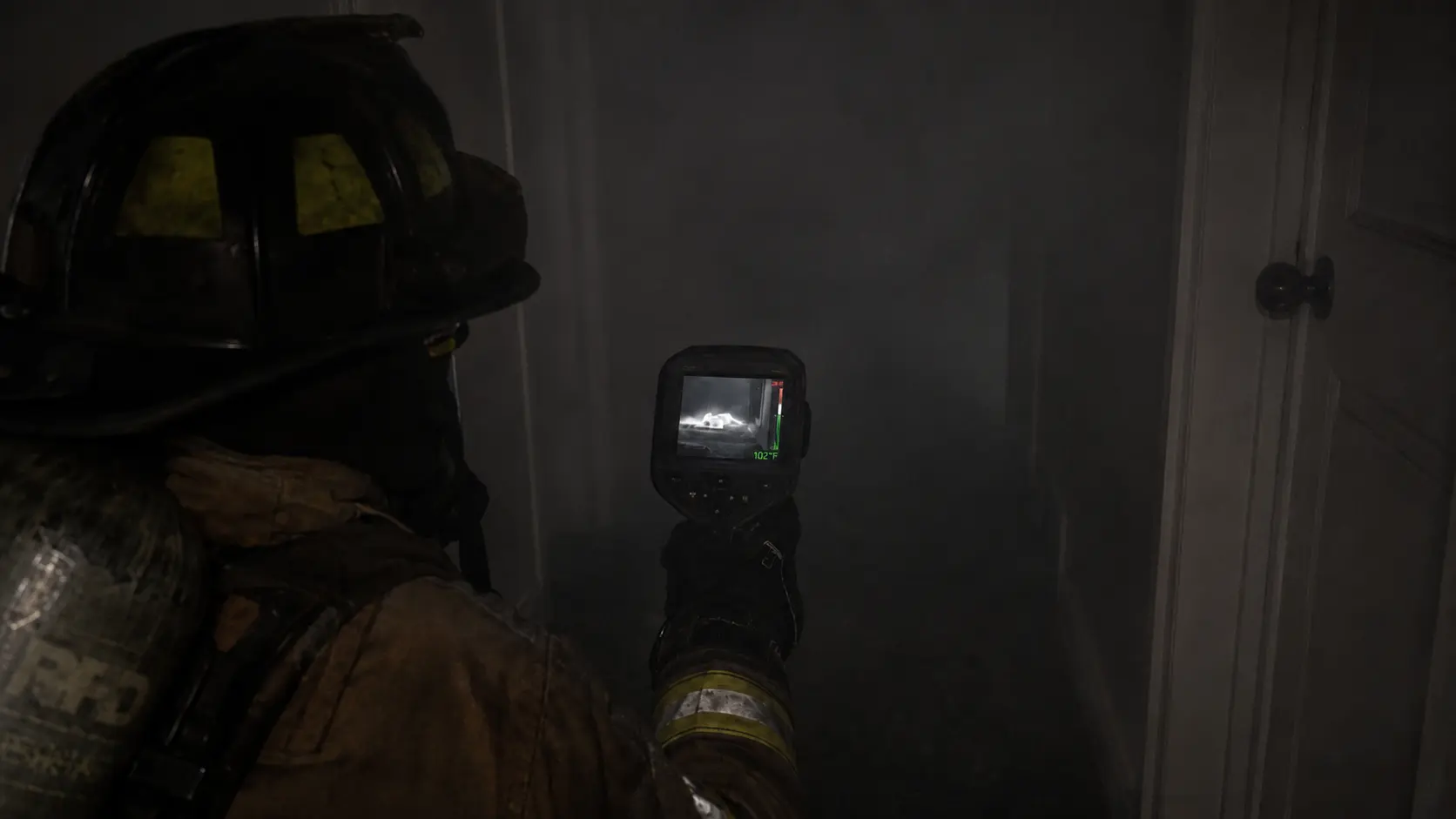
Helmet cameras have changed how both the public and the fire service see fires. From the firefighter’s point of view, viewers can experience zero visibility, intense heat, loud radio traffic, and chaotic conditions. When a rescue happens in the middle of that environment, the impact is unforgettable.
For firefighters, helmet cam footage is more than dramatic video. It is also a training tool. Departments use real rescue videos to review tactics, communication, and decision making under pressure. Watching a successful grab on video can highlight both what went right and what could be improved for the next call.
Last-Second Interior Rescues
Some of the most memorable videos show firefighters pushing deep into smoke-filled hallways, searching by feel, and locating victims just before conditions collapse. In many cases, crews have only seconds to remove a victim before flashover or structural failure. These rescues are not just about bravery; they are the result of relentless training and muscle memory.
Interior search teams rely on strong communication with the incident commander and other companies. They track hose lines, follow walls, and use oriented search techniques to stay oriented in hostile environments. When a firefighter finds a victim, the crew must rapidly package, drag, or carry the person toward the exit, often while dealing with high heat and low air.
Window and Ladder Rescues Under Extreme Pressure
Another category of viral rescue videos involves victims trapped at windows. Flames rolling out from below, thick smoke above, and limited time make these rescues incredibly intense. Ladder companies must quickly place ground ladders or position aerial apparatus to reach the window. Meanwhile, inside crews may be pushing toward the same victim from the interior.
When executed correctly, window rescues appear almost effortless in videos: the ladder is placed, the firefighter climbs with purpose, and the victim is removed. In reality, these operations require tight coordination, strong ladder skills, and a calm mindset under pressure. Misplaced ladders, poor body positioning, or communication breakdowns can cost precious seconds.
Rescues of Children: Emotional and Inspiring
Some of the most shared rescue videos involve children being pulled from burning homes or vehicles. These moments are especially emotional for both firefighters and viewers. The urgency is heightened, and every movement on video carries enormous weight. Seeing a firefighter hand a child down a ladder or perform CPR in the front yard is a powerful reminder of why the fire service exists.
For the crews involved, these calls often stay with them for life. Even when the outcome is positive, the emotional impact can be intense. Departments are increasingly recognizing the importance of mental health support and peer counseling after critical incidents, especially those involving children.
Animal Rescues That Capture Hearts
Not all heroic rescues involve humans. Videos of firefighters saving dogs, cats, and even horses from burning structures or icy water regularly go viral. While some may see these as minor compared to life-saving rescues, they still matter deeply to the families involved and help build trust between fire departments and their communities.
Animal rescues also highlight the compassion that is central to the fire service. Firefighters do not just put out fires; they protect life in all its forms whenever they can safely do so.
What These Rescues Teach Us About Training
Behind every dramatic rescue video is a foundation of training. Firefighters practice search techniques, victim drags, ladder throws, and rescue scenarios repeatedly so they can perform them under extreme stress. When you watch a firefighter move quickly yet smoothly during a rescue, you are seeing hours, months, and years of preparation in action.
- Search training builds confidence in low visibility conditions.
- Ladder drills improve speed and safety in window rescues.
- Air management and Mayday training help firefighters avoid becoming victims themselves.
- Communication training keeps teams coordinated on chaotic scenes.
These videos also underscore the importance of ongoing training. Fire conditions, building construction, and equipment all change over time. Departments that regularly review real incidents and update their tactics are better prepared for the next challenging rescue.
Social Media, Public Perception, and Reality
In the age of social media, heroic rescue videos can spread around the world in minutes. While this attention can be positive, it can also create unrealistic expectations. Not every fire has a dramatic save. Some fires are too advanced by the time crews arrive. Some structures are already compromised. Firefighters do everything they can, but the outcome is not always what they hope for.
Sharing rescue videos responsibly means remembering that each clip shows only a small part of a much larger story. Many firefighters prefer to focus on the lessons learned rather than the spotlight, using these moments to advocate for working smoke alarms, home escape plans, and fire-safe behavior.
Conclusion
The most heroic firefighter rescues caught on camera are not just thrilling clips for social media. They are powerful examples of courage, teamwork, and the impact of training under extreme pressure. Each video represents lives changed, families reunited, and firefighters who were ready when the moment came. For those in the fire service, these rescues are a reminder of why drills matter and why preparation never stops. For everyone else, they are a window into the reality of the fireground and the people who run toward danger when others are running away.

Comments 0
No comments yet. Be the first to share your thoughts!
Leave a Comment