Rapid Intervention Team (RIT): How Firefighters Handle Mayday and Firefighter Rescue Operations
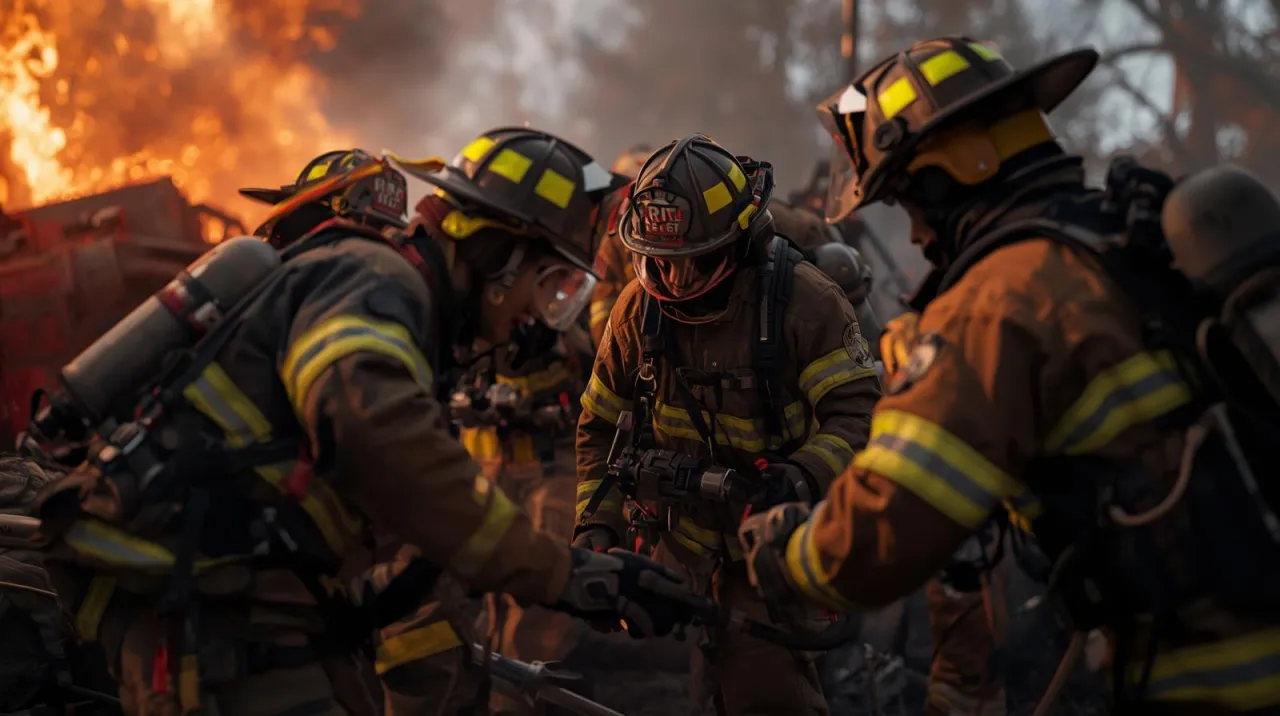
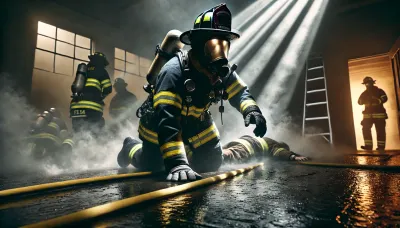
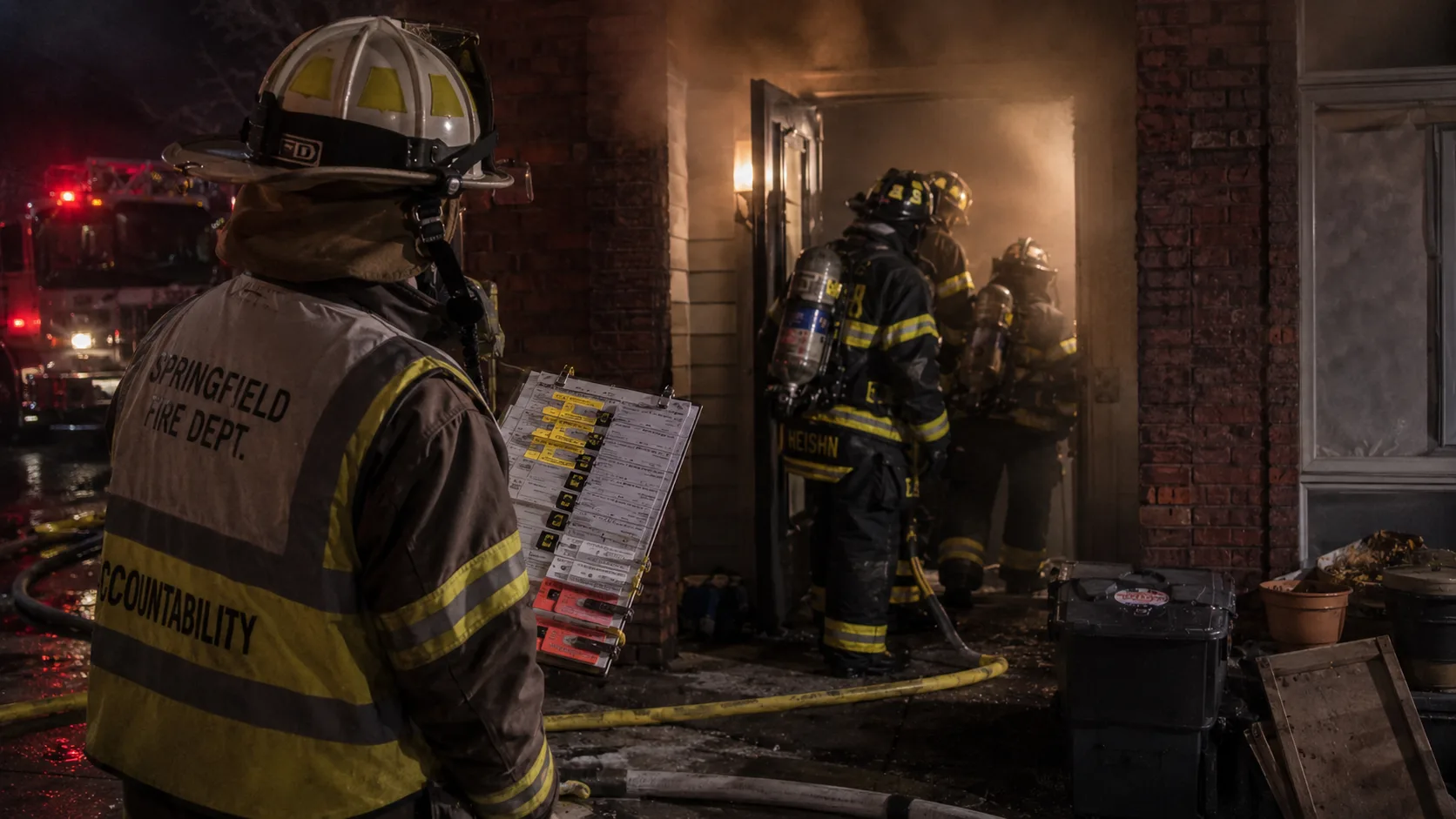
While firefighters dedicate their lives to rescuing the public, there is one type of rescue that is more dangerous, more stressful, and more complex than any other: firefighter rescue. When a firefighter becomes lost, trapped, disoriented, low on air, or injured inside a burning structure, a Mayday is transmitted. At that moment, every second matters.
Fireground conditions during a Mayday are typically at their worst — zero visibility, extreme heat, rapidly changing fire behavior, and collapsing structures. This is why modern fire departments rely on a specialized group known as the Rapid Intervention Team (RIT), also called FAST (Firefighter Assist and Search Team) or RIC (Rapid Intervention Crew).
This article explores what RIT does, how Mayday operations unfold, what equipment is used, and how firefighters train for the most dangerous rescue mission in the fire service: saving one of their own.
What Is a Rapid Intervention Team?
A Rapid Intervention Team is a dedicated crew assigned exclusively to firefighter rescue. They do not conduct fire attack, search, ventilation, or suppression unless ordered after a Mayday. Their mission is simple:
Stand ready to deploy the moment a firefighter becomes trapped or distressed.
RIT teams typically include highly experienced firefighters trained in advanced rescue techniques. Their presence is required on all significant structure fires across the United States, supported by NFPA standards and decades of incident history.
When Does a Firefighter Declare a Mayday?
Firefighters declare a Mayday when any of the following occur:
- They become lost or disoriented
- They fall through a floor or are trapped by collapse
- They become entangled or pinned
- Their air supply becomes critically low
- They suffer a medical emergency inside the structure
- A flashover or rapid fire event isolates them
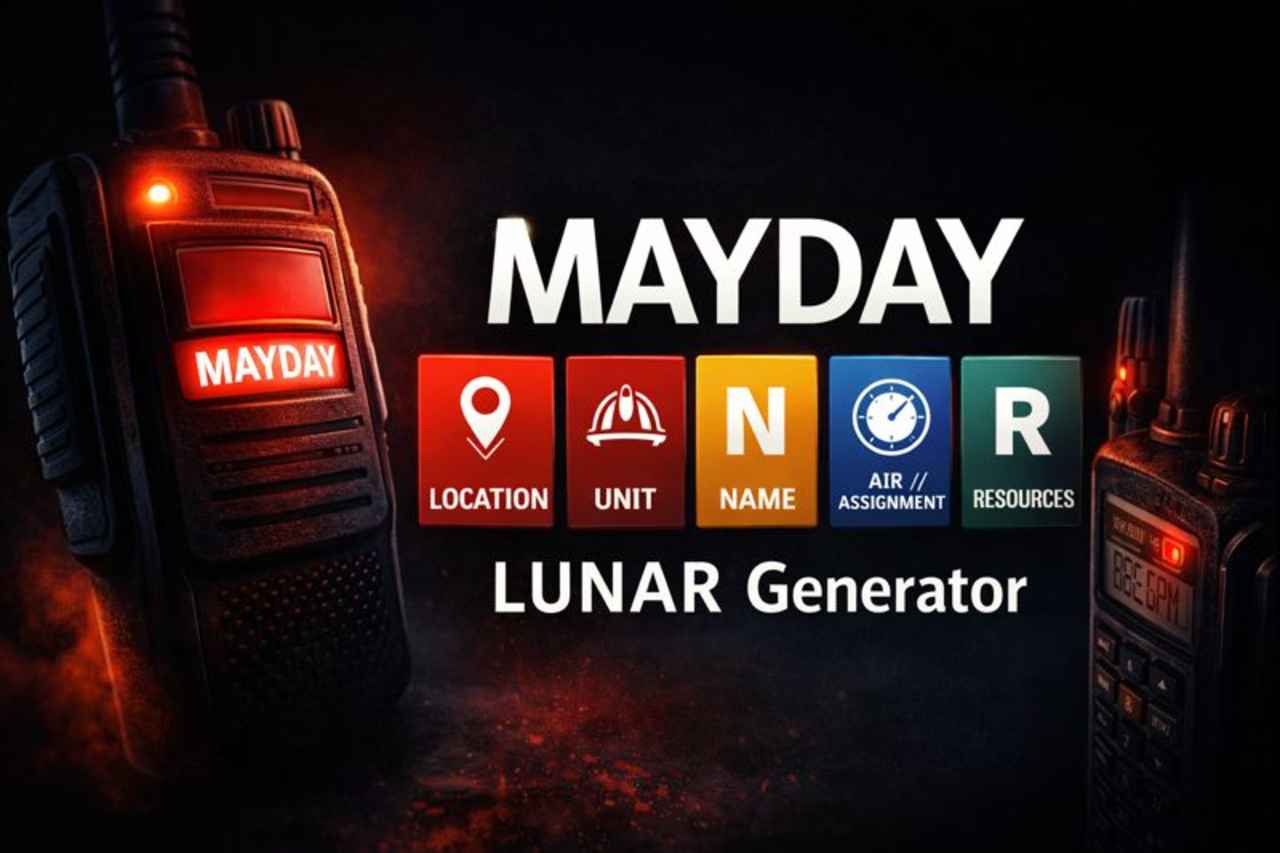
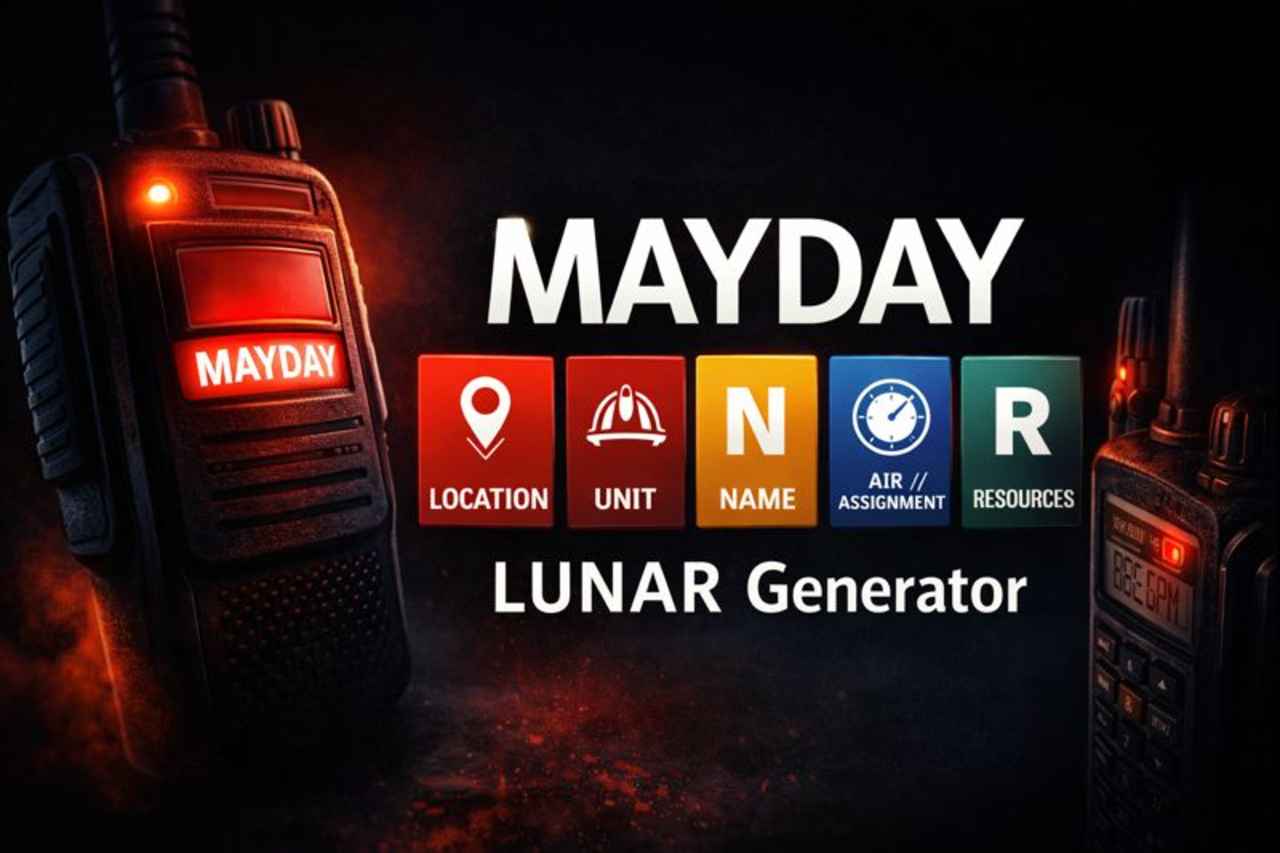
The fire service teaches the acronym LUNAR for Mayday communication:
- Location
- Unit
- Name
- Air supply / Assignment
- Resources needed
This information allows RIT to develop a rescue plan before entering the building.
RIT Responsibilities Before a Mayday
Contrary to what many believe, RIT does not simply wait around. They constantly monitor conditions, prepare equipment, and analyze fireground strategy. Predeployment duties include:
- Softening the structure (forcible entry, removing barriers)
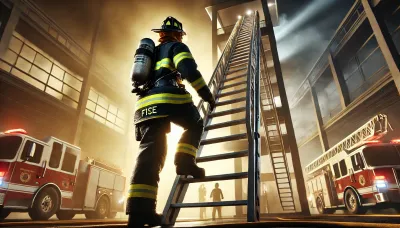
- Throwing ground ladders to all sides
- Ensuring secondary egress points
- Studying the fireground layout
- Monitoring radio channels continuously
- Identifying potential collapse zones
By performing these tasks proactively, RIT significantly reduces rescue time when a Mayday occurs.
Essential RIT Equipment
RIT teams bring a specialized kit designed for multiple types of firefighter entrapment. This typically includes:
- RIT air pack / Universal Rescue Connection for supplying emergency air
- Irons (halligan + axe)
- Thermal imaging camera
- Search rope
- Saws (K12, chainsaw)
- Wire cutters and bolt cutters
- Stokes basket or rescue tarp
- Cribbing and hydraulic lifting tools
This equipment allows RIT to breach walls, cut through debris, navigate collapse zones, and move downed firefighters efficiently.
The Moment a Mayday Occurs
When a Mayday transmission is heard, the fireground undergoes an immediate shift:
- All radio traffic clears for the distressed firefighter
- Incident Command initiates rescue operations
- RIT moves from staging to entry point
- Suppression activities adjust to support rescue
- Safety officers reassess structural integrity
Every firefighter understands that Mayday operations override all other priorities. Saving the life of a trapped firefighter becomes the mission.
How RIT Locates a Downed Firefighter
Locating a trapped firefighter is one of the biggest challenges. RIT relies on multiple techniques:
- Radio communications from the firefighter or PASS alarm activation
- TIC (thermal imaging camera) for locating heat signatures
- Search rope to maintain orientation inside the building
- Following hoselines, as firefighters rarely operate without one
- Listening for tapping, PASS devices, or movement
Firefighters are trained to activate their PASS device and create noise when trapped to assist rescuers.
Common Firefighter Entrapment Scenarios
RIT must be prepared for multiple types of rescues, including:
1. Floor Collapse Rescue
A firefighter falls through weakened flooring into a basement or lower level. RIT may need:
- Ropes and lowering systems
- Lifting struts or cribbing
- Breach-and-break techniques
2. Wall Collapse or Debris Trapping
Rescuers must stabilize debris before extricating the member.
3. Entanglement Emergencies
Wires, cables, and collapsed ceiling materials frequently entangle firefighters. RIT uses:
- Wire cutters
- Knives
- Cable saws
4. Low-Air Emergencies
One of the most time-sensitive rescues. RIT performs:
- Emergency air bottle swap
- Universal Rescue Connection attach for transfill
Providing air often determines whether a firefighter survives long enough to be removed.
Removing the Downed Firefighter
Firefighters in full PPE and SCBA typically weigh 250–320 pounds when unconscious. RIT must use efficient techniques such as:
- Harness drags
- Webbing lifts
- Nance or Denver rescue maneuvers
- Stokes basket removal
Rescues often require multiple teams rotating through, especially when traversing stairwells.
Why RIT Training Is So Intense
Firefighter rescue is statistically the most difficult mission in the fire service. Studies show that:
- It can take 12–15 firefighters to rescue one downed member
- The average RIT operation takes 20+ minutes
- Most Maydays occur during interior search or fire attack
Because conditions deteriorate so quickly, RIT training focuses on:
- Zero-visibility navigation
- Entanglement drills
- Wall breaching
- Air emergency procedures
- SCBA manipulation
- Large-area search
Departments train repeatedly to ensure muscle memory takes over during real Mayday operations.
The Emotional Impact of RIT Operations
Firefighter rescue operations are mentally and emotionally taxing. Crews know the victim isn’t a stranger — it’s a coworker, a friend, a family member. This emotional weight adds intensity to every decision.
Because of this, departments provide post-incident debriefings and mental health support, especially after challenging or tragic outcomes.
Conclusion
The Rapid Intervention Team is one of the most important components of modern fireground safety. When a firefighter declares a Mayday, RIT becomes the lifeline between survival and tragedy. Their tools, training, and mindset are all geared toward navigating the most dangerous environments imaginable.
Firefighter rescue is complex, exhausting, and extraordinarily risky — but it is also a sacred responsibility. Through preparation, discipline, and unwavering teamwork, RIT ensures that every firefighter has the greatest possible chance of going home at the end of their shift.

Comments 0
No comments yet. Be the first to share your thoughts!
Leave a Comment