
Understanding the Mechanics of Fire Engines: A Comprehensive Overview
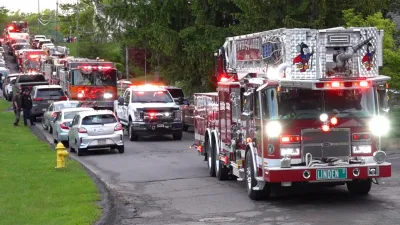
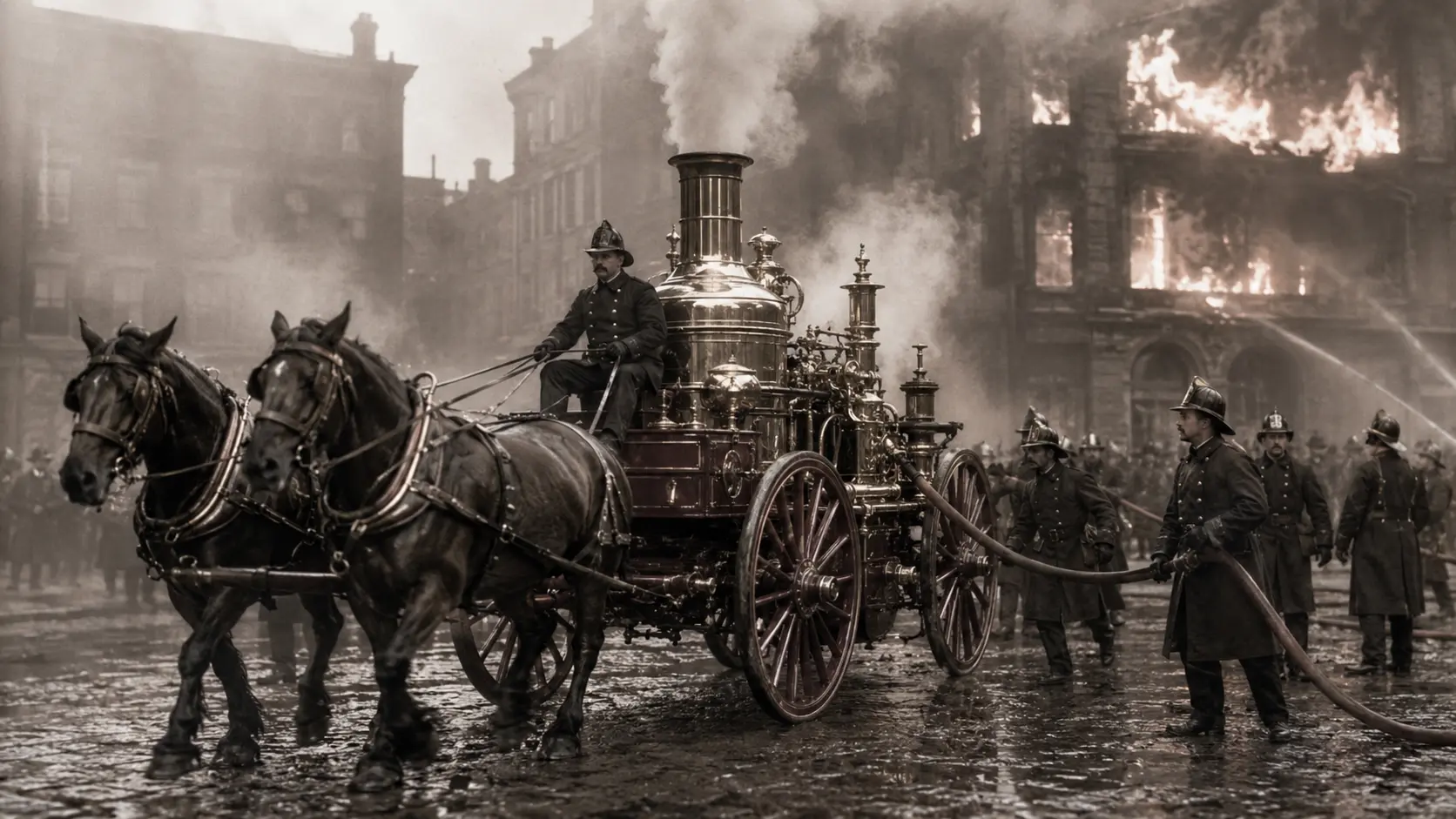
Fire engines are critical assets in the firefighting arsenal, designed to combat flames, rescue individuals, and provide emergency medical services. This article delves into the intricate mechanics of fire engines, highlighting their essential components and operational functionalities that make them indispensable in emergency situations.
Key Components of a Fire Engine
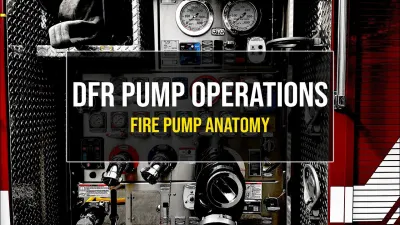
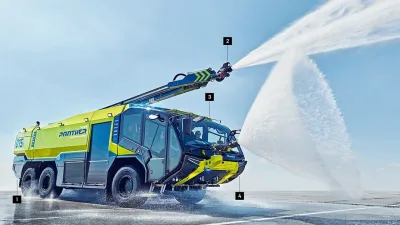
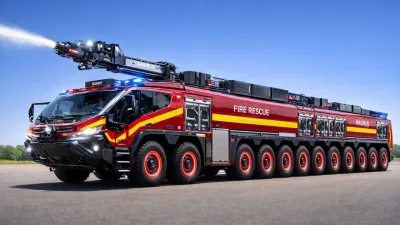
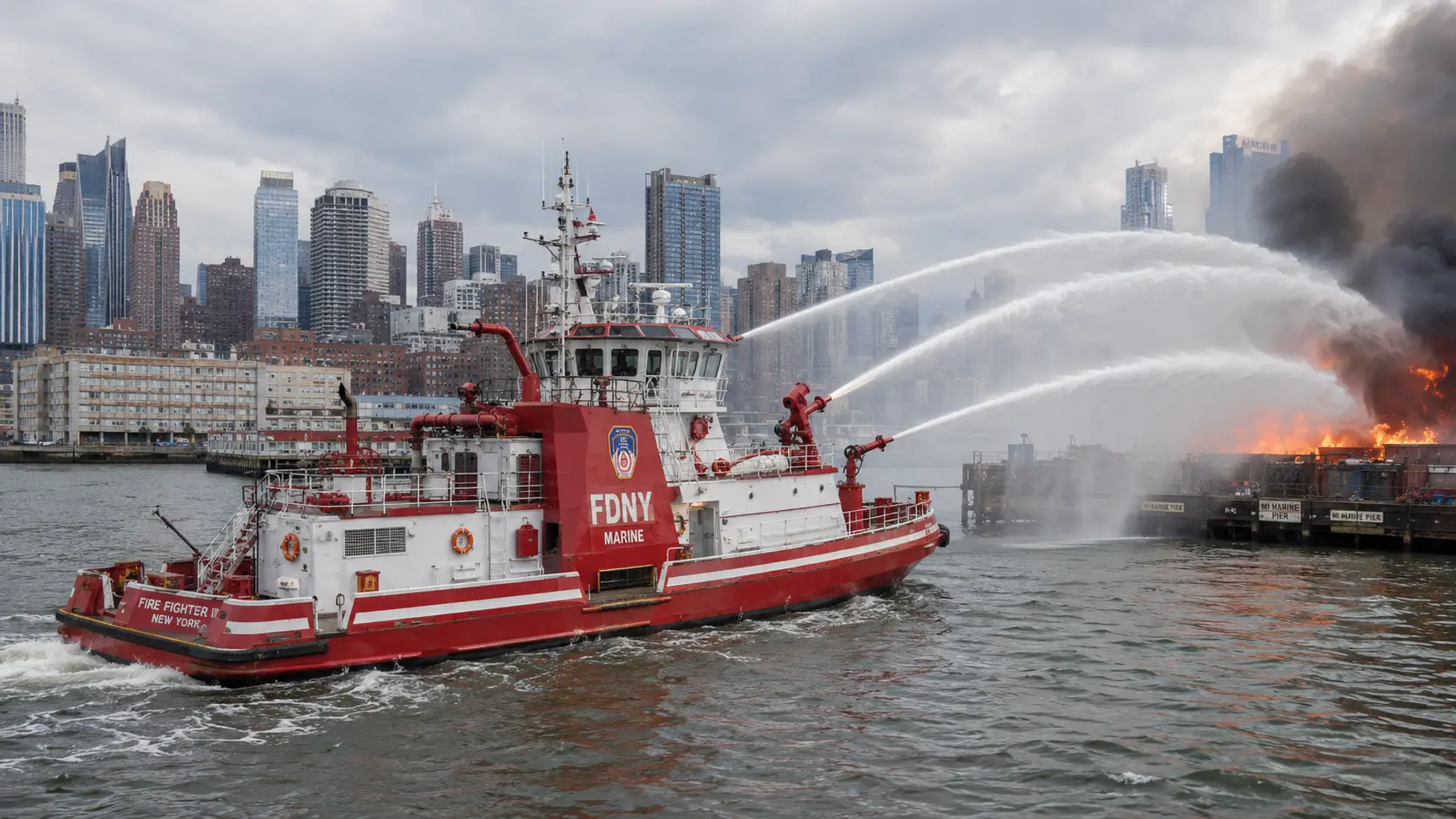
At the heart of every fire engine is a robust chassis that supports the vehicle's weight and provides stability during operations. Fire engines are equipped with powerful engines, often diesel-powered, that offer the necessary horsepower to navigate through challenging terrains and heavy traffic. One of the most crucial components is the water pump, capable of delivering thousands of gallons of water per minute from a pressurized tank or a nearby water source. Firefighters can control the pump's output through a series of valves and nozzles, allowing for precise application of water or fire retardants.
Operational Functionality and Firefighting Techniques
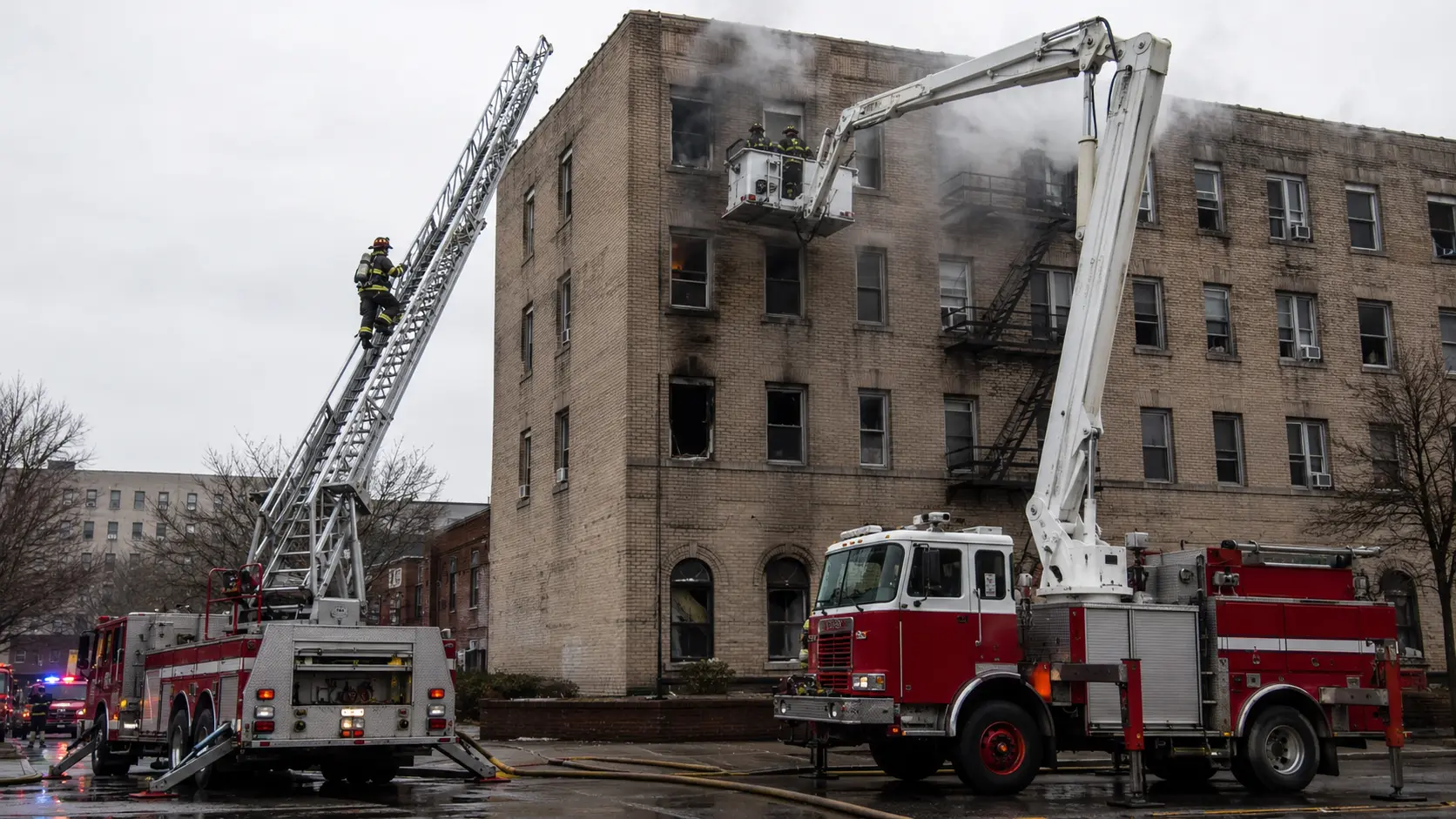
The operational functionality of a fire engine extends beyond just transporting firefighters and equipment. Each engine is outfitted with an array of tools and gear, including hoses, ladders, and specialized equipment for various firefighting techniques. Firefighters rely on the engine's onboard water supply, often complemented by portable water tanks or hydrants, to extinguish fires effectively. The engine also serves as a mobile command center, equipped with communication systems that facilitate coordination among firefighting teams during emergencies.
In addition to standard firefighting capabilities, modern fire engines are increasingly incorporating advanced technology. Features like thermal imaging cameras, GPS systems, and onboard computers enhance situational awareness and operational efficiency. These innovations enable firefighters to assess fire conditions, locate victims, and strategize their approach to extinguishment more effectively. The integration of these technologies underscores the evolving nature of firefighting and the need for continuous training and adaptation in the field.
Conclusion: The Lifeline of Emergency Services
In conclusion, understanding how fire engines work is essential for appreciating their role in emergency services. These vehicles are not just machines; they are lifelines that support firefighters in their mission to protect lives and property from the devastating effects of fire. By comprehending the mechanics and functionalities of fire engines, we can better acknowledge the dedication of the brave men and women who operate them and the critical service they provide to our communities.

Comments 0
No comments yet. Be the first to share your thoughts on this video!
Leave a Comment