
Urgent Response to Hybrid Vehicle Garage Fire: A Detailed Analysis
In a significant incident highlighting the challenges faced by modern firefighting teams, a garage fire involving hybrid vehicles erupted, prompting a swift and coordinated emergency response. Such fires require specialized knowledge due to the unique risks posed by hybrid technology and the materials used in their construction.
The Incident Overview
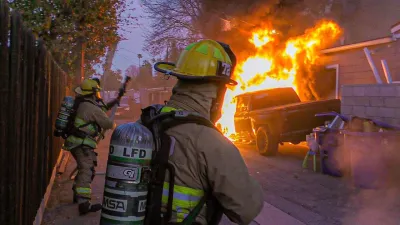
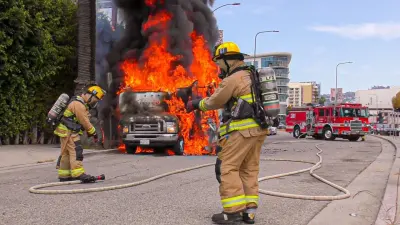
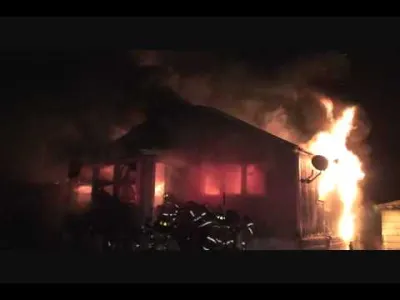
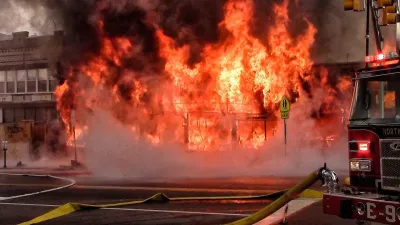
The fire broke out in a residential garage where multiple hybrid vehicles were parked. Initial reports indicated that the fire was fueled by the batteries of the hybrid cars, which can present unique hazards, including the risk of thermal runaway. Firefighters arrived promptly on the scene, implementing established firefighting protocols while adapting to the specific challenges presented by the presence of lithium-ion batteries.
Firefighting Techniques and Challenges
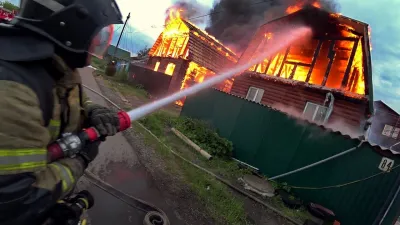
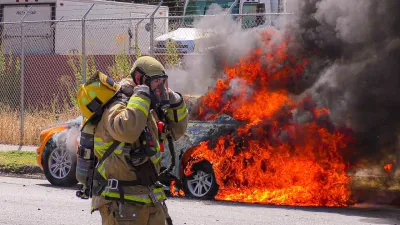
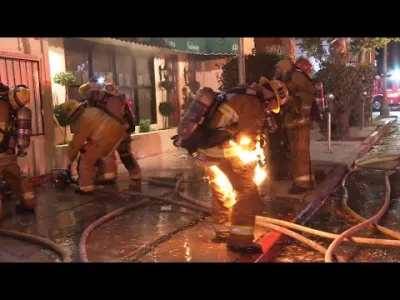
Firefighters utilized a combination of traditional firefighting methods and advanced techniques tailored to combat vehicle fires. The initial approach involved securing the area and ensuring that bystanders were at a safe distance. Fire crews deployed specialized equipment designed to handle battery fires, such as high-capacity water hoses and foam agents that can effectively suppress flammable vapors.
The incident also required a thorough assessment of the garage's structural integrity, as the risk of collapse was heightened due to the intense heat. Firefighters worked diligently to contain the blaze, employing thermal imaging cameras to locate hotspots and ensure no further ignition points existed. The unique construction materials of hybrid vehicles, including lightweight composites and plastics, further complicated the firefighting efforts, necessitating ongoing training and adaptation by the response team.
Safety Protocols and Lessons Learned
This incident underscores the importance of ongoing education and training for firefighting personnel regarding the hazards associated with hybrid and electric vehicles. As the prevalence of these vehicles increases, so too does the necessity for specialized knowledge in handling their unique fire risks.
In conclusion, the hybrid vehicle garage fire serves as a critical learning opportunity for emergency services, highlighting the need for refined strategies and protocols in dealing with modern vehicle fires. As technology evolves, so must the approaches fire departments take to ensure the safety of both their personnel and the communities they serve.





Comments 0
No comments yet. Be the first to share your thoughts on this video!
Leave a Comment