
Updated October 15, 2026: Technical references and safety-critical statements corrected against the primary sources linked below. This update does not represent a new equipment certification or an independent clinical review.
Confined-space rescue starts with controlled access
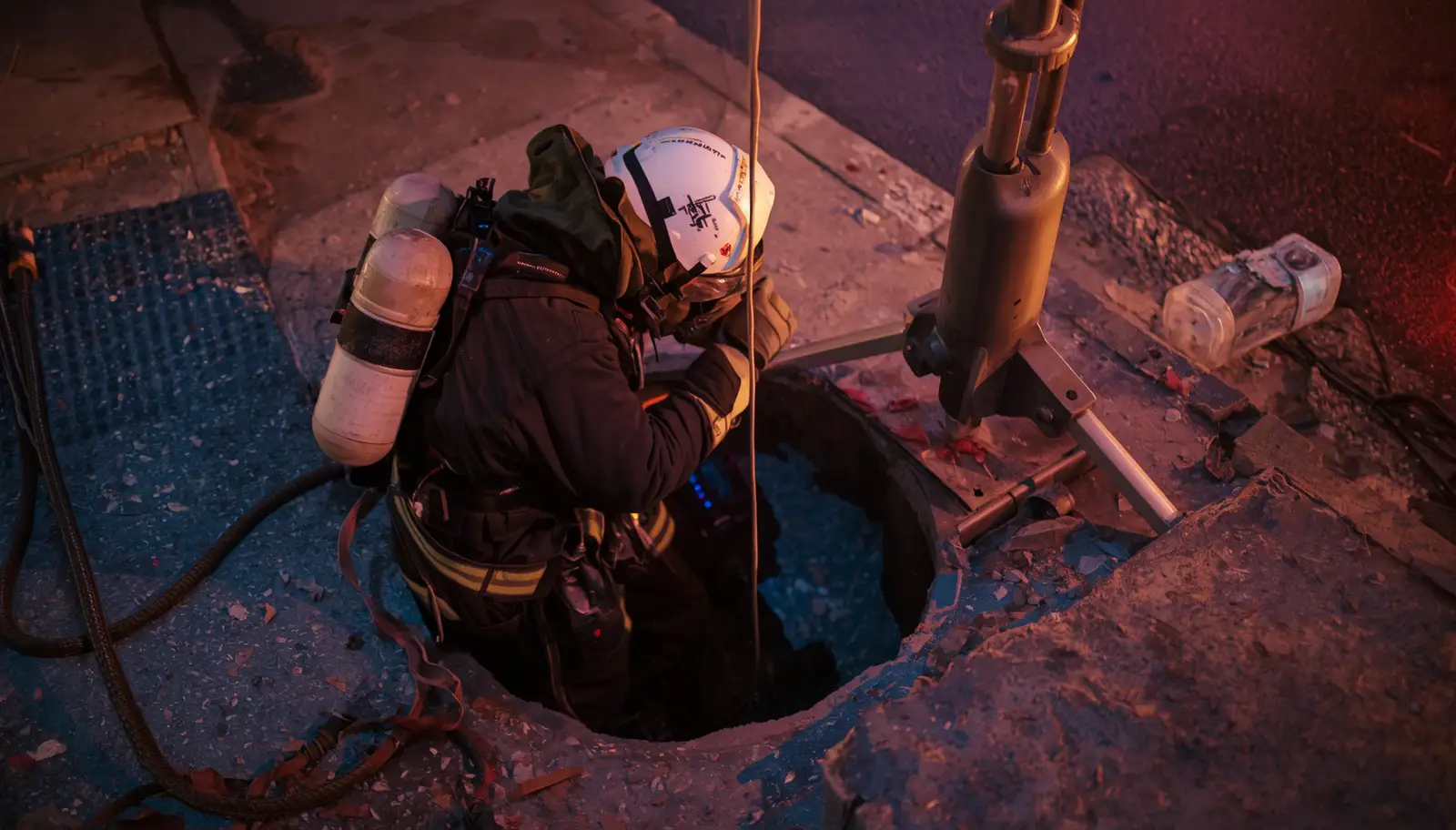
A space can be immediately dangerous even when the victim is visible and the air appears clear. Prevent improvised entry, establish command and request a rescue service trained, equipped and able to reach the particular space. This guide summarizes US OSHA general-industry requirements; construction and other jurisdictions may have different applicable rules. It does not qualify a reader to enter.
What makes a space permit-required?
Under OSHA 1910.146, a confined space is large enough for bodily entry, has restricted entry or exit, and is not designed for continuous occupancy. It becomes permit-required when it has a potential hazardous atmosphere, engulfment material, a configuration that could trap or asphyxiate someone, or another recognized serious hazard. The employer's documented evaluation and permit program determine entry arrangements.
Atmospheric limits are not an entry clearance
OSHA identifies oxygen below 19.5% or above 23.5%, flammable gas or vapor above 10% of its lower flammable limit, hazardous toxic exposures, and other IDLH conditions as hazardous atmospheres. A reading within the oxygen range or below a flammability threshold does not establish that all entry hazards are controlled. Toxic substances, combustible dust, energy sources and physical hazards must also be assessed.
There is no general 25% LEL permitted-entry allowance. The previous version's suggestion of a 25% absolute maximum was incorrect. Use the permit's acceptable entry conditions and instrument alarm settings; evacuate when prohibited conditions develop. Respiratory protection does not remove explosion, engulfment or mechanical hazards.
Testing order and instrument limitations
OSHA specifies testing oxygen first, then combustible gases/vapors, then toxic gases/vapors. Use suitable calibrated equipment and follow its bump-test, sampling, response-time and sensor limitations. Test the relevant locations and stratified areas without exposing an unprotected person. A common four-gas meter cannot detect every toxic chemical. Test and monitor as needed to ensure acceptable conditions continue during entry.
Hydrogen sulfide and other toxic gases
Never use smell to clear a space. Odor can become unreliable during hydrogen sulfide exposure, and many hazards provide no useful smell at all. Select monitoring for the expected substances and the site's history; do not assume CO and H2S sensors cover every atmosphere.
Initial response and isolation
- Keep unauthorized people out and gather the location, victim information, process history and known hazards from a protected position.
- Have authorized personnel isolate energy, materials and connected systems under the entry program; ventilation alone is not a substitute for isolation.
- Evaluate the rescue service, access, communications, respiratory protection and retrieval arrangements before authorizing entry.
- Use a permit, attendant, entry supervisor and trained entrants as required. The attendant must not abandon the role to improvise a rescue.
Non-entry retrieval versus entry rescue
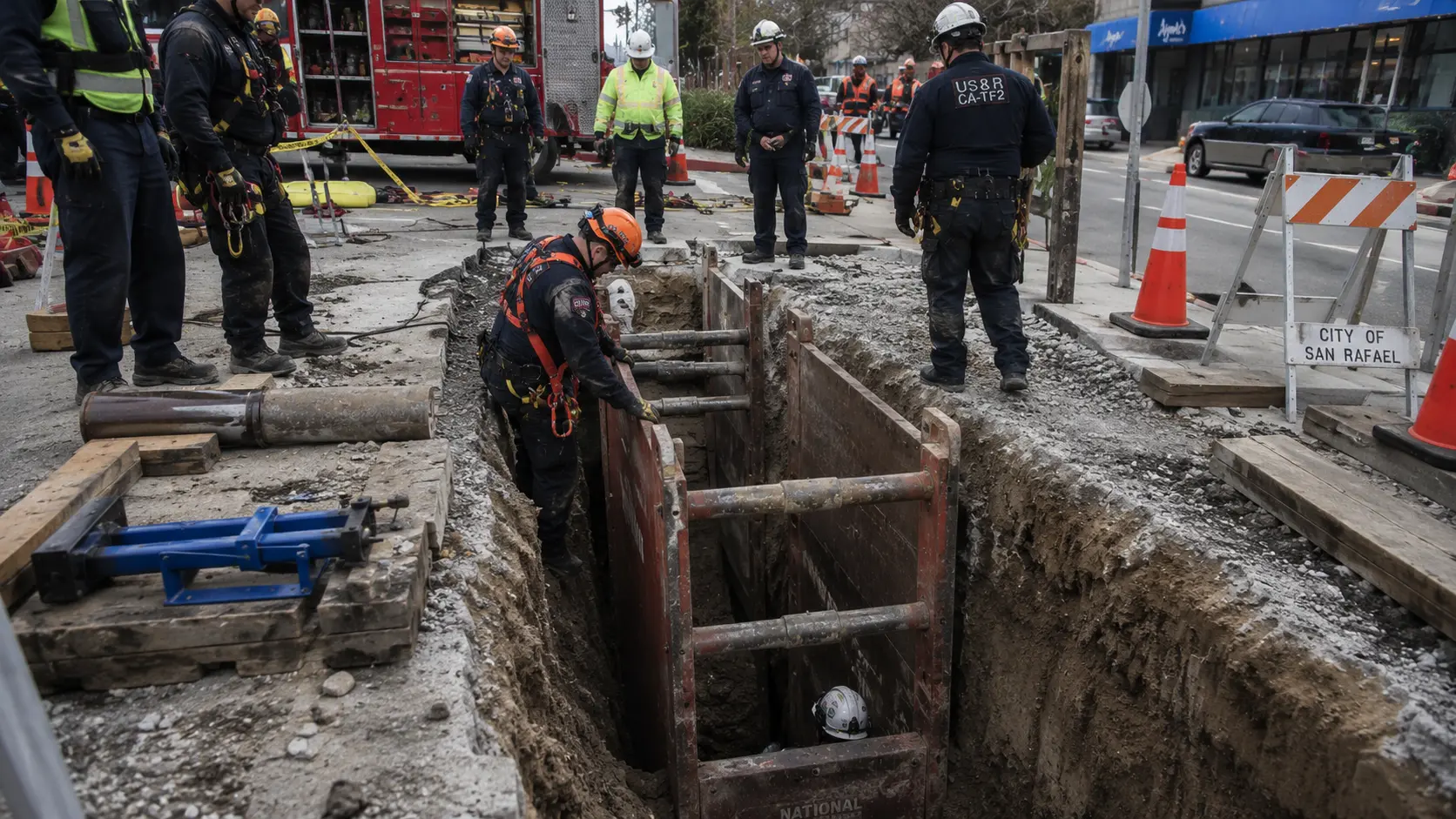
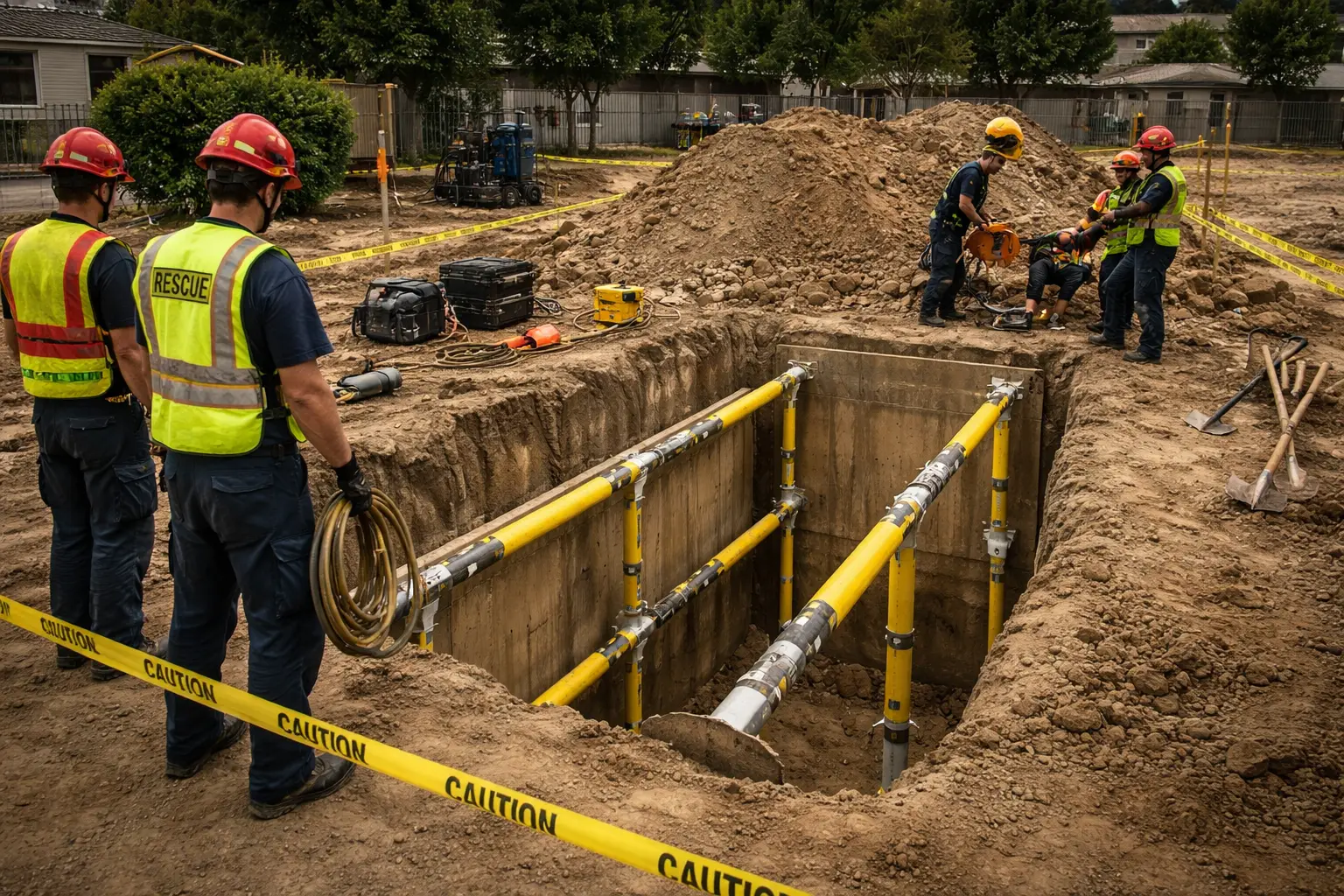
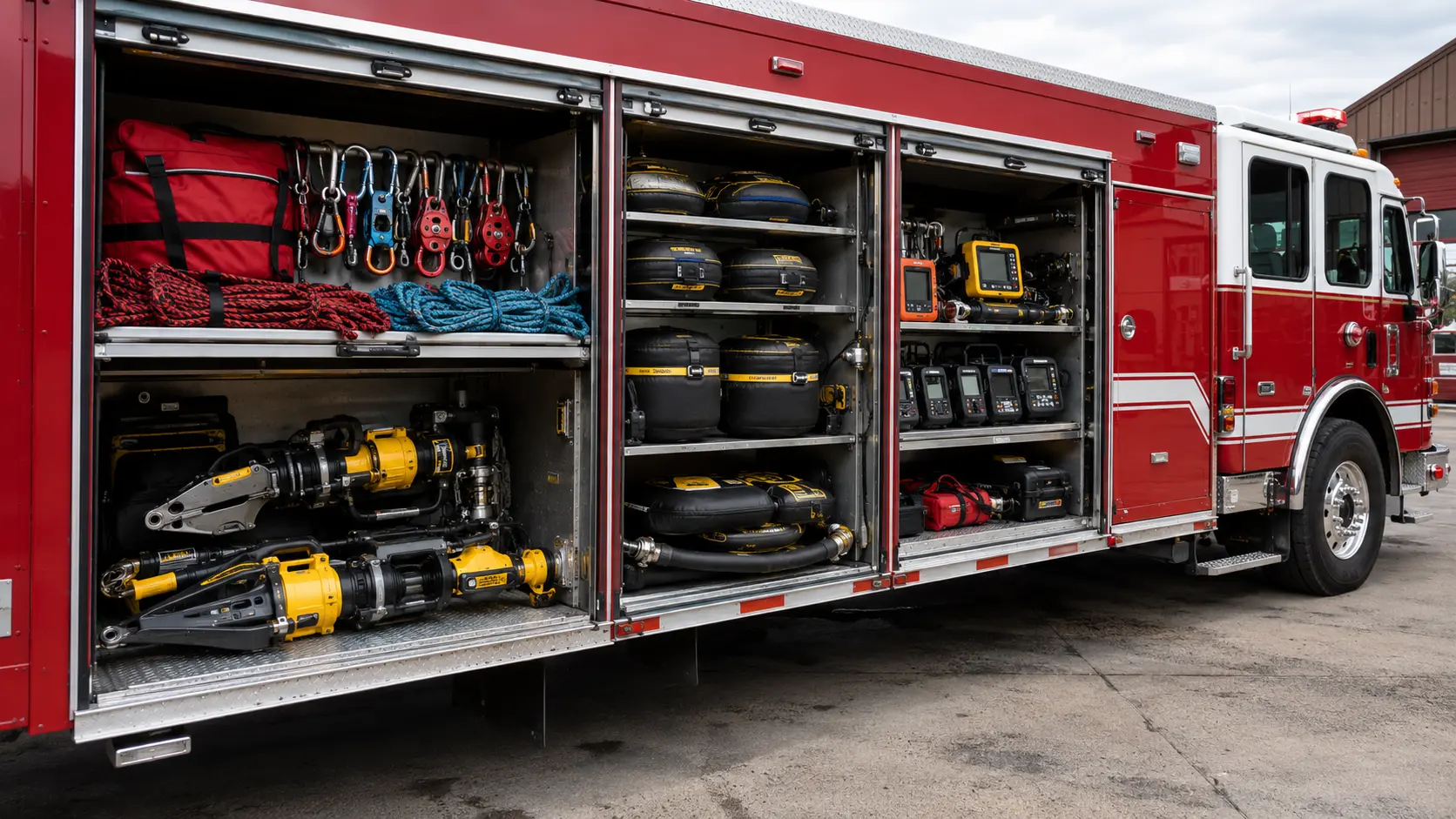
OSHA requires retrieval systems or methods for permit-space rescue unless they increase the overall risk or would not contribute to rescue. Non-entry retrieval is not automatically safe for every geometry or victim condition. Entry rescue requires the evaluated team, equipment and rescue plan for that space; a rope, SCBA and good intentions are insufficient.
SCBA and PPE limitations
Choose respiratory protection through the applicable program and hazard assessment. An escape-only respirator is not entry equipment. SCBA does not protect against every skin exposure, oxygen-enriched fire hazard, electrical hazard or moving machine. Train on the approved rescue-air and communication arrangements for the exact apparatus.
Training and rescue capability
Awareness-level personnel recognize hazards and request resources. Assigned entry and rescue personnel need training and demonstrated capability appropriate to the space and task. Do not infer competence or legal authorization from a generic Operations or Technician label alone; confirm the actual employer program and applicable rules.
Correction: removed the 25% LEL allowance, the claim that oxygen/LEL numbers alone permit entry, unsupported rescuer-fatality comparisons and a fixed smell-loss threshold.


Comments 0
No comments yet. Be the first to share your thoughts!
Leave a Comment