
Last updated:
On many fire departments, the call that wakes the house at 2 a.m. is not a room-and-contents fire. It is chest pain, a fall, a trouble breathing call, a crash, a seizure, a stroke warning, or a person who is simply too sick for a family member to move safely. That is why EMS is not a side job for firefighters. In a lot of communities, it is the work firefighters do most often.
The public usually sees the easy label: fire truck sent to a medical call. What is happening underneath is more specific. The crew is bringing trained hands, basic or advanced equipment, lifting help, scene control, and a connection into the larger emergency medical system. The exact care depends on local protocols, state scope of practice, certification level, and medical direction, but the rhythm of a good EMS response is surprisingly consistent.
The National EMS Scope of Practice Model describes EMS practice as a system built around education, certification, state licensure, and medical director credentialing. In plain English: firefighters do not freelance medicine. They work inside the rules their state, agency, and physician medical director give them.
Burn TBSA + Parkland ToolEMS LocatorFire-Based EMS Guide
Training note: this article explains fire-based EMS workflow. It is not medical advice and does not replace local protocol, medical direction, or hands-on EMS training.
Why Firefighters Respond To Medical Calls
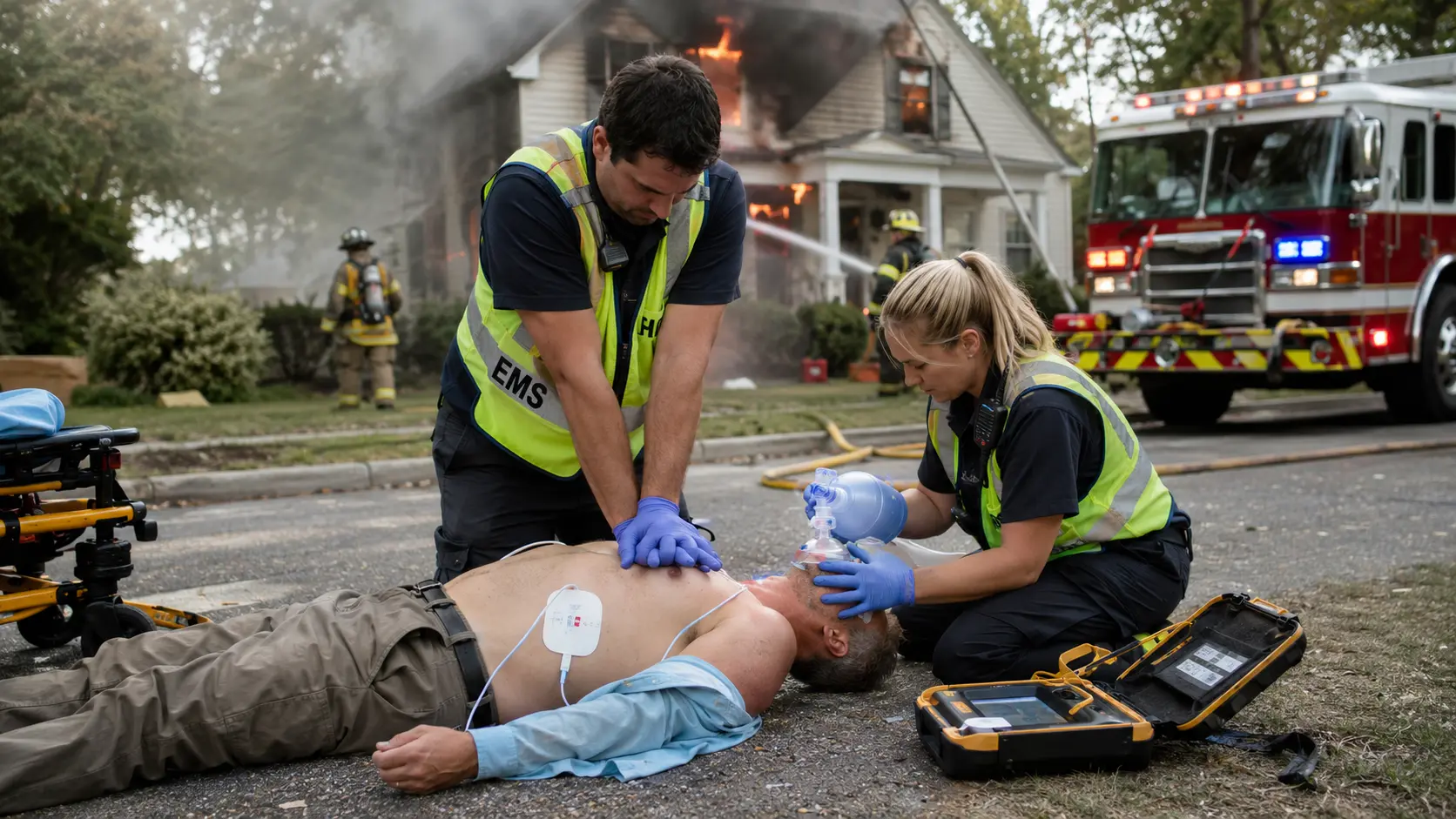
Fire stations are placed for response time. Engines, trucks, rescues, squads, and ambulances are already distributed across the city or district, staffed around the clock, and ready to move. When a medical call is time-sensitive, that matters. A nearby engine company can start CPR, use an AED, control bleeding, open an airway, give oxygen where allowed, assist with medications under protocol, or simply keep a patient from getting worse while the transport unit is still coming.
Fire crews also bring manpower. A two-person ambulance crew can do excellent medicine, but it may need help moving a patient down stairs, performing continuous CPR, packaging a trauma patient, clearing a scene, or managing a family that is panicking in the same room. Firefighters are often the difference between a technically correct plan and a plan that can actually be carried out in a hallway, bathroom, ditch, apartment stairwell, or highway shoulder.
What Happens In The First Few Minutes
The first arriving firefighter usually starts with two questions: is the scene safe, and what is the immediate life threat? That sounds basic, but it keeps everyone honest. A medical call can involve traffic, violence, weapons, pets, carbon monoxide, electrical hazards, unstable vehicles, confined spaces, or a house full of smoke from the original problem. If the crew gets hurt, patient care collapses with it.
After that comes the patient assessment. Firefighters look at airway, breathing, circulation, level of consciousness, skin signs, bleeding, pain, and the story of what happened. They get vital signs, identify medications or medical history when available, and watch for changes. A patient who is talking clearly may still be having a stroke. A patient who looks calm may be compensating before shock. A fall may be simple, or it may hide a hip fracture, head injury, or cardiac cause.
| EMS call type | Fire crew focus | Why it matters |
|---|---|---|
| Cardiac arrest | CPR, AED, airway support, crew roles, fast handoff. | Survival depends heavily on early compressions and early defibrillation. |
| Stroke symptoms | Last-known-well time, speech/face/arm findings, rapid transport coordination. | Hospital destination and time window can affect treatment options. |
| Trauma or crash | Scene safety, bleeding control, stabilization, extrication support. | Good EMS and rescue work have to happen in the same space. |
| Breathing problem | Positioning, oxygen/ventilation support where allowed, medication history. | Respiratory calls can deteriorate quickly when fatigue sets in. |
The Firefighter's Role Depends On Certification
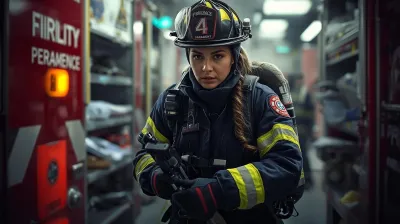
Not every firefighter has the same EMS scope. Some are EMRs or EMTs. Some are Advanced EMTs. Some are paramedics assigned to engines, rescues, or ambulances. The title on the helmet does not automatically define what they can do medically; their state license, agency credentialing, and local protocols do.
An EMT-level firefighter may focus on assessment, CPR, AED use, oxygen delivery where allowed, splinting, bleeding control, patient movement, and assisting higher-level providers. A paramedic firefighter may add cardiac monitoring, IV/IO access, medication administration, advanced airway management, and more detailed treatment decisions, depending on jurisdiction. The important point is that good EMS is team-based. A clean assessment, strong compressions, clear documentation, and calm scene control matter even when the ALS provider is the one giving medication or reading a monitor.
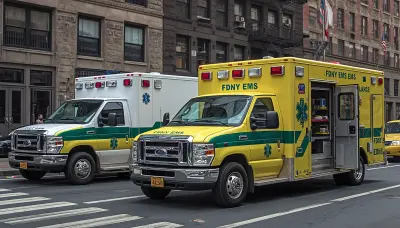
How Fire And Ambulance Crews Work Together
The best EMS scenes do not feel crowded even when many people are present. Someone leads patient care. Someone handles airway or monitor work. Someone gets history and medications. Someone manages family or bystanders. Someone prepares movement. Someone watches the environment. That division of labor keeps the patient from being surrounded by five people all asking the same question.
When the ambulance crew arrives after the engine, the handoff should be short and useful: patient age, chief complaint, time course, major findings, vital signs, treatments started, response to care, medications, allergies, history, and any safety issues. If the call is a cardiac arrest, handoff is even more disciplined because CPR quality and rhythm checks cannot fall apart during the information exchange.
Medical Calls That Need Fireground Thinking
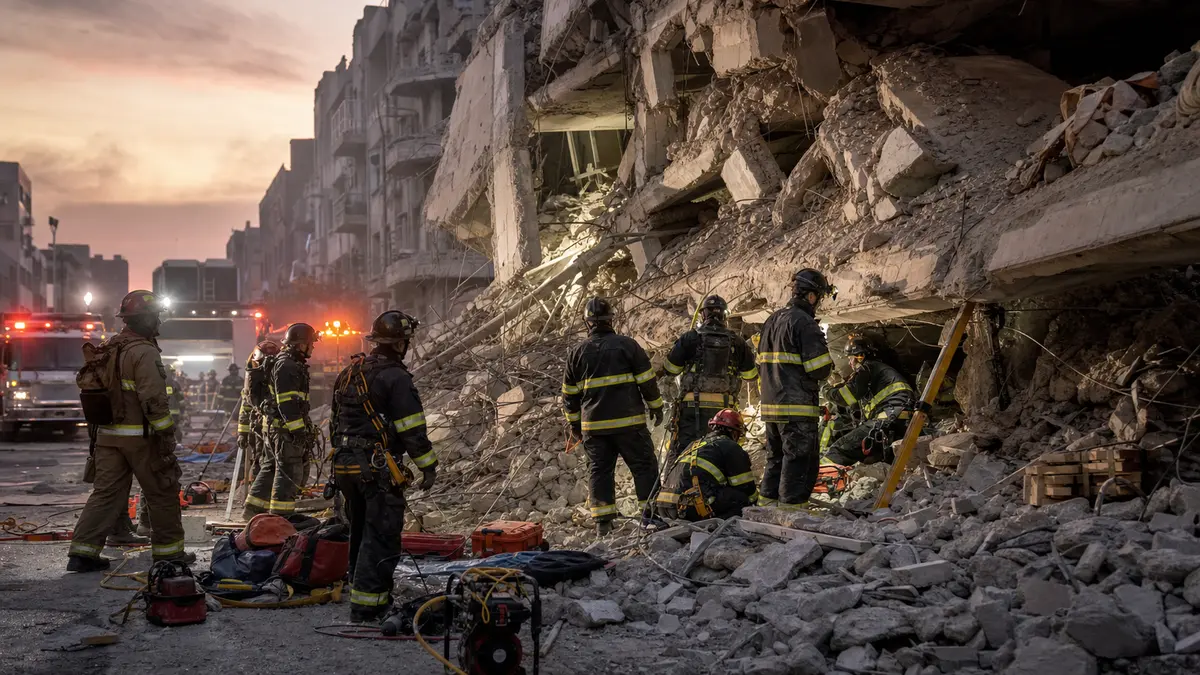
Some EMS calls are medical and rescue incidents at the same time. A pinned driver needs patient care, stabilization, glass management, tool work, and a transport plan. A burn patient may need airway awareness, pain control under protocol, cooling decisions, burn-center consultation, and an estimate of burn size. The Burn TBSA + Parkland Calculator can support training and handoff language for that kind of incident, but the real-world decision stays with the EMS crew and medical direction.
Mass-casualty calls are another example. Firefighters may have to sort patients, mark treatment areas, request resources, and keep the incident from becoming a single-patient tunnel vision problem. Our MCI triage guide goes deeper on that workflow. Stroke calls are different but just as time-sensitive; the crew's job is to recognize warning signs, identify last-known-well, and move the patient toward the right hospital pathway. See the stroke recognition guide for that specific playbook.
Documentation And Patient Handoff
Good EMS documentation is not just paperwork. It protects continuity of care. The emergency department needs to know what changed before arrival: when symptoms started, what the crew found, what was done, whether the patient improved or declined, and what the family or witnesses reported. A small detail that feels ordinary on scene can matter later in the hospital.
Firefighters should also document operational details that shaped care. Was access delayed by a locked gate? Was the patient moved from a narrow bathroom? Did bystanders start CPR before crews arrived? Was there smoke exposure, chemical exposure, a fall distance, or a language barrier? Those facts help explain the patient picture and the response timeline.
What The Public Often Misses
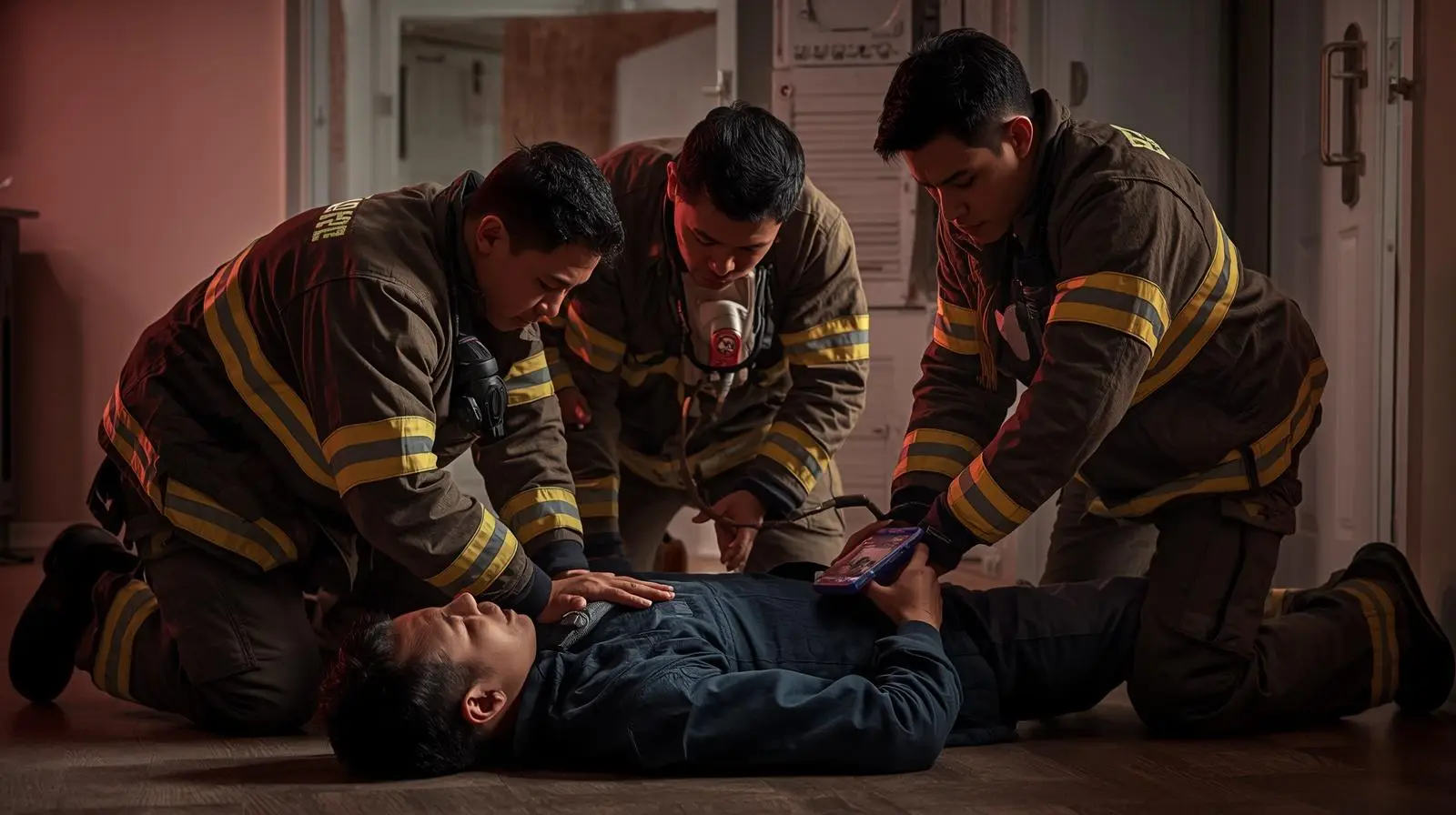
From the sidewalk, an EMS call may look quiet compared with a working fire. Inside the room, it can be just as demanding. Firefighters may be kneeling in a cramped bedroom doing compressions, carrying a patient down three flights, calming a spouse, checking medication bottles, clearing a path through furniture, coordinating with police, or trying to keep a child from seeing too much. The work is technical, physical, and emotional at the same time.
That is why modern firefighter readiness includes EMS knowledge, lifting mechanics, communication, and stress management. The best fire-based EMS crews are not just fast. They are steady. They make the room calmer, gather the right facts, start the right care within their scope, and hand the patient forward without losing the story.
Frequently Asked Questions
Do all firefighters respond to EMS calls?
Many U.S. fire departments send fire crews to medical calls, but the model varies by city, county, and agency. Some departments run ambulances, some provide first response, and some work beside third-service or private EMS.
Are firefighters EMTs or paramedics?
Many firefighters are EMTs, and many departments also staff paramedic firefighters. The exact certification level depends on the department, state requirements, assignment, and local medical direction.
Why does a fire truck come when someone called for an ambulance?
The closest fire company may arrive faster, bring extra hands, and start time-sensitive care before the transport ambulance arrives. They may also be needed for lifting, CPR, extrication, or scene safety.
What do firefighters do before the ambulance arrives?
They assess scene safety and the patient, start care within their scope, use an AED when needed, control bleeding, assist breathing where allowed, gather history, prepare for movement, and update incoming EMS.
Can this article be used as medical advice?
No. It is an educational overview of fire-based EMS. Real patient care must follow local protocols, state scope of practice, agency policy, and medical direction.
Comments 0
No comments yet. Be the first to share your thoughts!
Leave a Comment