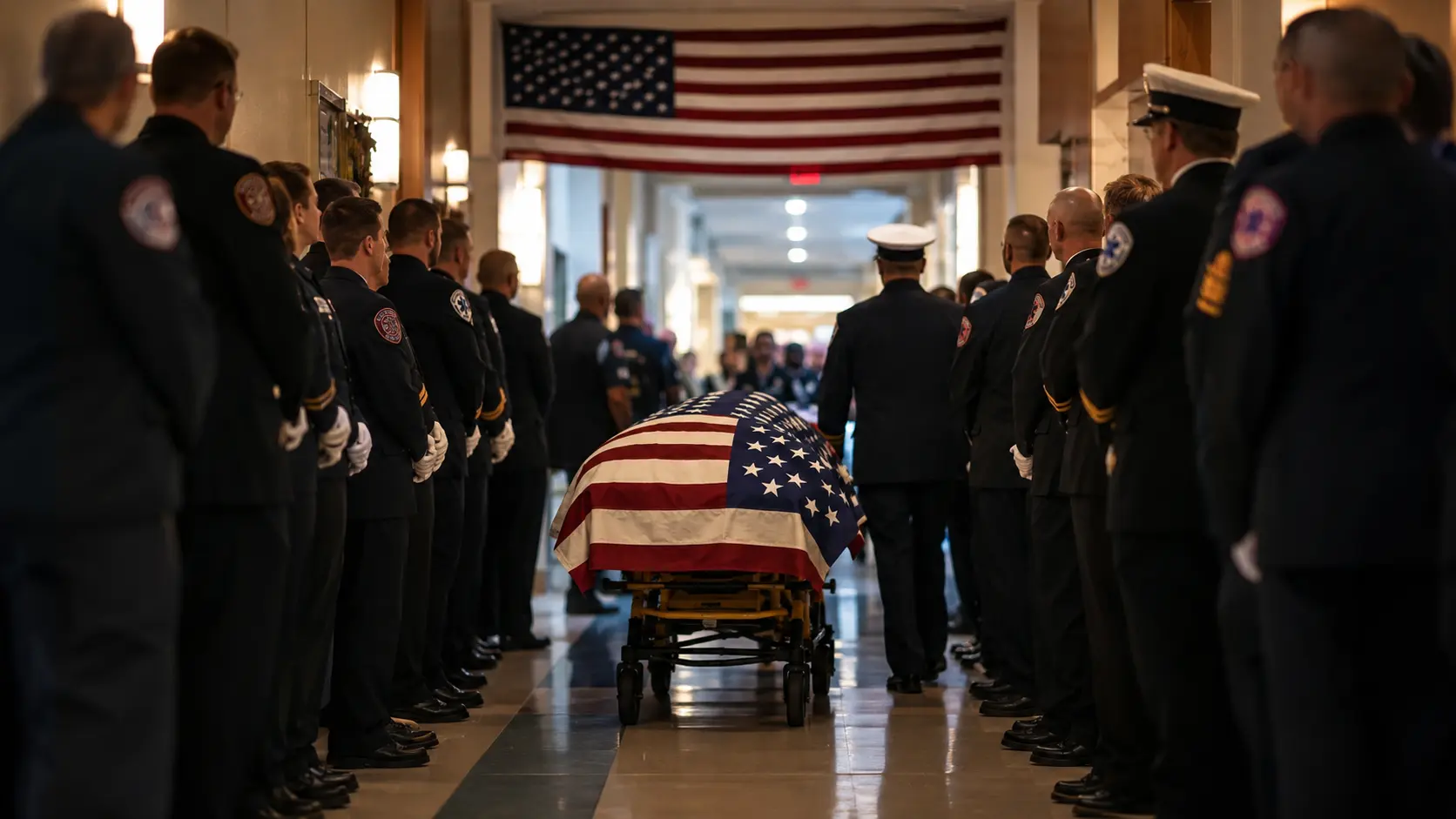
On July 26, 2026, Eau Claire, Wisconsin, firefighter Bryce Jungbluth suffered a sudden medical emergency shortly after coming off a shift. He was flown to the Mayo Clinic in Rochester, Minnesota, where he died five days later, on July 31. He was 27 years old. On August 1, a funeral procession carried him from Minneapolis through Eau Claire and on to his hometown of Hayward, Wisconsin, escorted by fire crews from across two states.
His death has been classified as a line-of-duty death, and it has driven a wave of searches this week from people asking what happened, what a line-of-duty death actually means, and what the "Honor Watch" tradition firefighters keep for a fallen colleague involves. This article answers those questions and puts Jungbluth's death in the context of how the U.S. fire service loses, and honors, its members every year.
In this article:
What Happened to Bryce Jungbluth
According to the Eau Claire Fire Department, Jungbluth experienced a sudden medical emergency on Sunday, July 26, shortly after completing a shift. He was transported for advanced care and ultimately treated at the Mayo Clinic in Rochester, Minnesota, where he died on Friday, July 31. The department has not released further clinical detail about the emergency, which is consistent with how most departments handle line-of-duty medical deaths while the family's privacy and any internal review are respected.
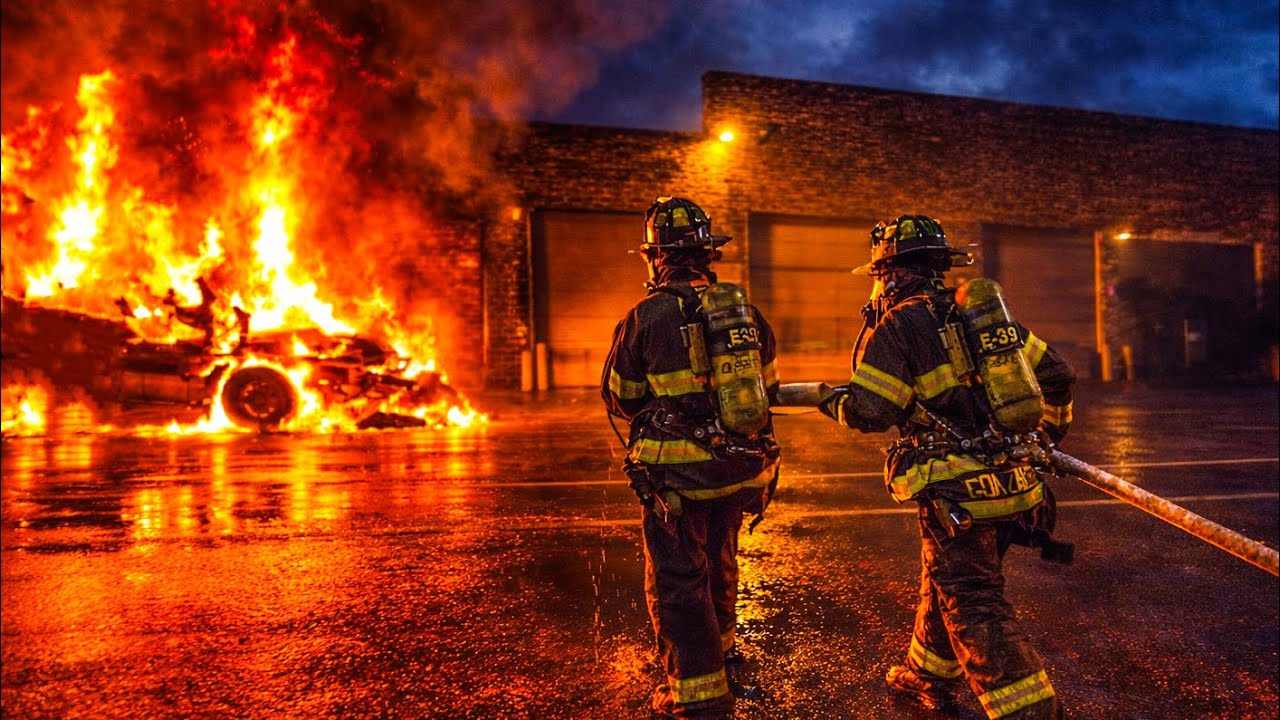
Deaths like this — a firefighter going into medical distress during or immediately after strenuous duty — are among the most common, and least visible, ways the fire service loses its people. There is no dramatic footage of a burning building; the danger is cardiovascular and physiological stress building silently across a shift, and it is treated with the same seriousness and the same honors as a death inside a fire.
Who Was Bryce Jungbluth
Jungbluth, 27, was originally from Wendell, North Carolina, and had settled in Hayward, Wisconsin. He served with the Eau Claire Fire Department and had also been a member of Carrboro Fire-Rescue in North Carolina. Colleagues and his local firefighters' union described him as someone who approached every shift with curiosity and a willingness to support the rest of his crew, on top of a quieter side away from the job that people who knew him well valued just as much.
In a statement, the Eau Claire Fire Department said Jungbluth served with "passion, dedication, courage, and honor." A funeral service is scheduled for 2:00 p.m. on August 10 at the Hayward High School gymnasium, with visitation the evening before and the morning of the service.
What "Line-of-Duty Death" Actually Means
A line-of-duty death (LODD) is not limited to a firefighter dying inside a burning structure. Under the criteria used by the National Fire Protection Association, the U.S. Fire Administration, and the National Fallen Firefighters Foundation, an LODD includes any death resulting from injury or illness sustained while performing official duties — including a medical emergency that occurs during, or as a direct consequence of, a shift.
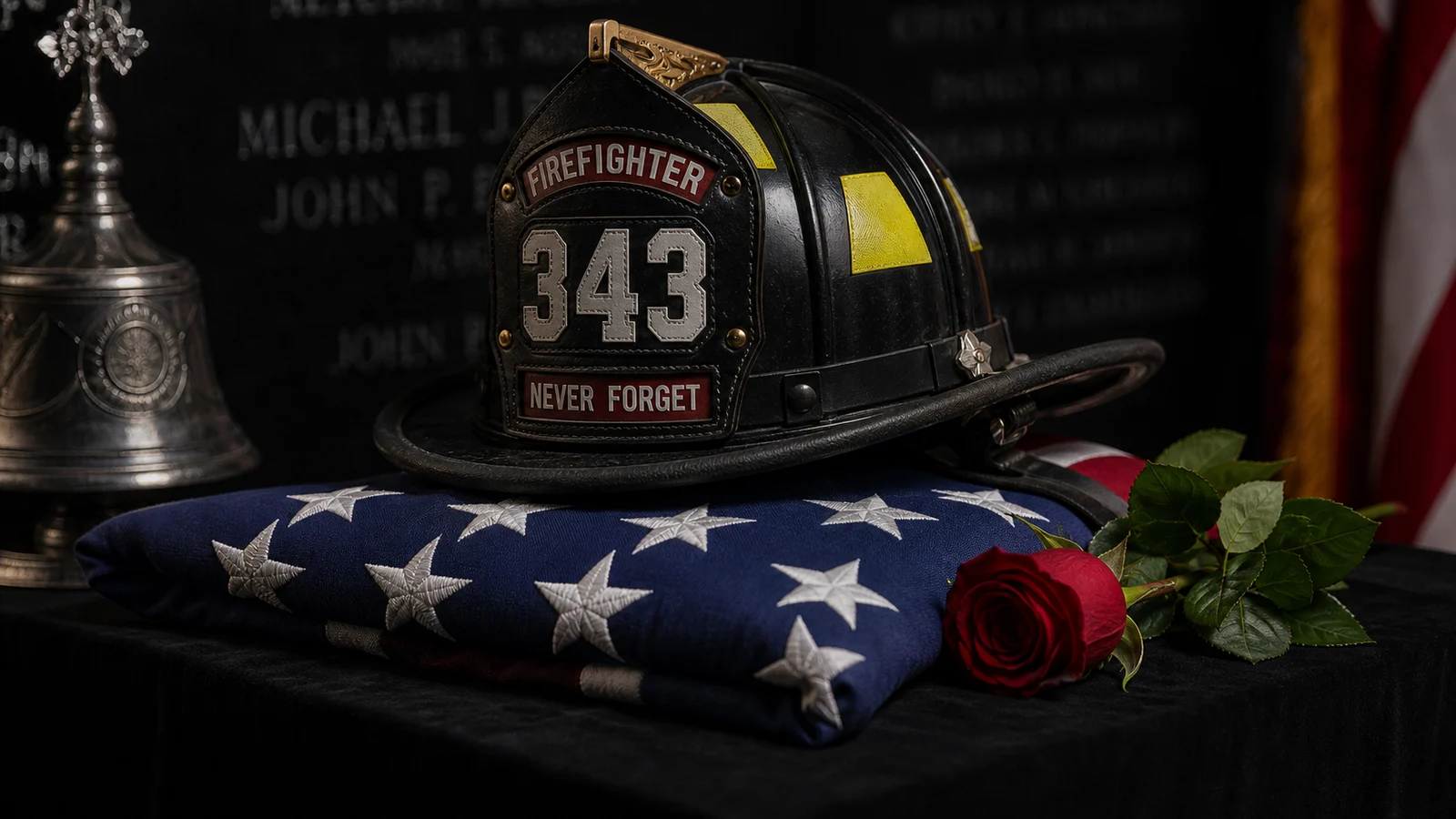
This distinction matters for two reasons. First, it determines federal survivor benefits available to the firefighter's family under laws like the Public Safety Officers' Benefits program and the Hometown Heroes Survivors Benefits Act, which extends coverage to certain heart attack and stroke deaths connected to on-duty exertion. Second, it determines the honors a department extends — flags at half-staff, an honor guard, a formal procession, and inclusion on the National Fallen Firefighters Memorial in Emmitsburg, Maryland, regardless of whether the death happened at a fire scene or hours after the crew returned to quarters.
Sudden cardiac events are the leading cause of on-duty firefighter death — well ahead of fire, smoke, or structural collapse. The physical demands of firefighting, combined with heat stress and heavy protective gear, put a level of strain on the cardiovascular system that can trigger a fatal event during or shortly after exertion, which is exactly why these deaths are classified and honored the same way as any other line-of-duty loss.
The Procession and the Honor Watch Tradition
Two traditions defined the days after Jungbluth's death, and both are common practice across the U.S. fire service.
Honor Watch
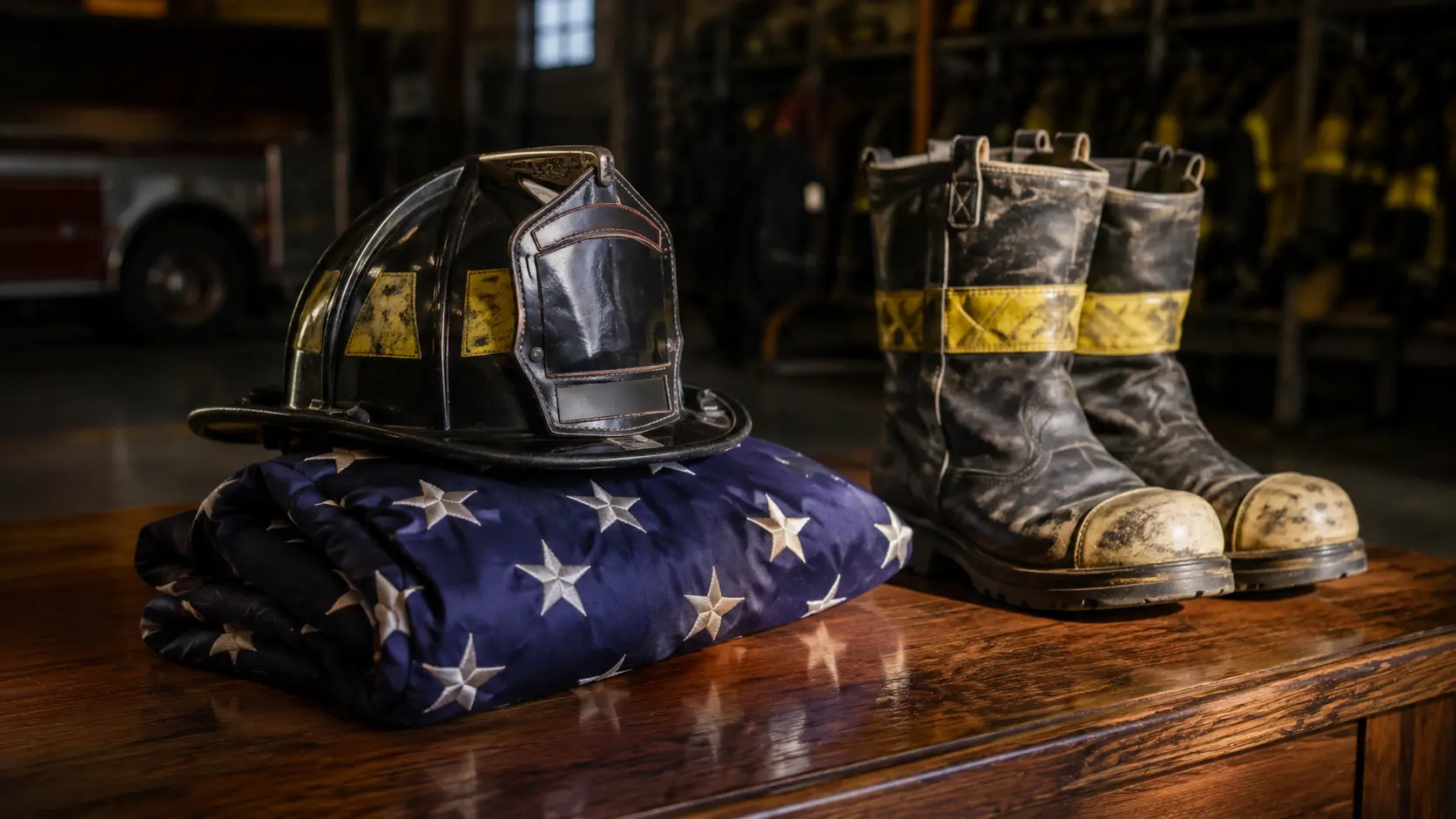
Between a firefighter's death and their funeral, an Honor Watch is kept — a continuous, rotating vigil by fellow firefighters who ensure the deceased is never left alone until burial. It is a promise embedded in fire service culture: firefighters stand beside one another in life, and they stand beside one another in death. Crews from Eau Claire maintained this watch over Jungbluth from the day of his passing through his interment.
The escorted procession
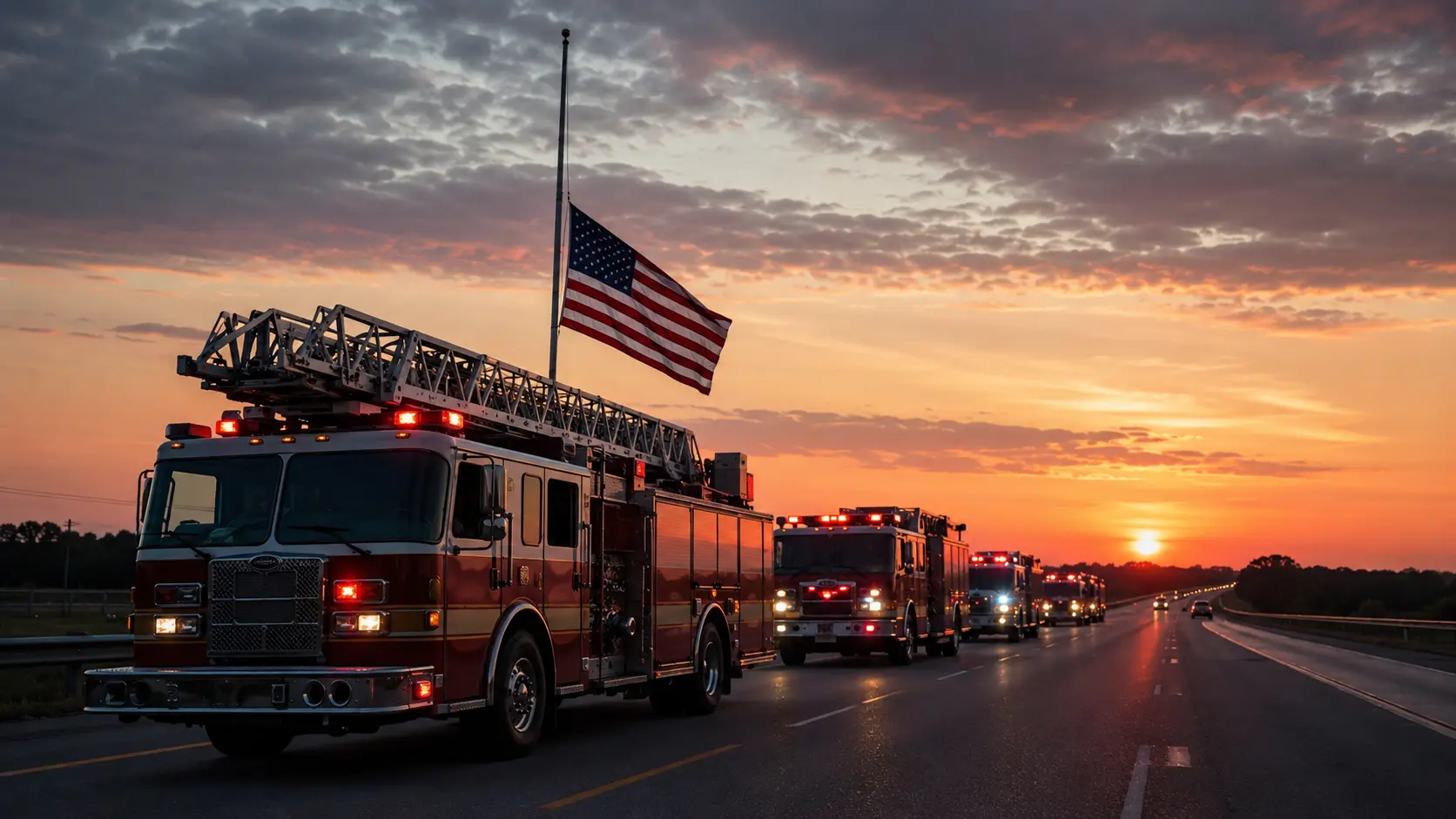
When a firefighter's body is brought home from another city, it is typically escorted by a convoy of fire apparatus, sometimes joined by departments from neighboring states. Jungbluth's procession departed Minneapolis around 11:00 a.m. on August 1, traveled along Interstate 94, and arrived in Eau Claire roughly 90 minutes later before continuing to Hayward. Community members lined the route to pay their respects, standing off the roadway as instructed by law enforcement.
Flags at half-staff
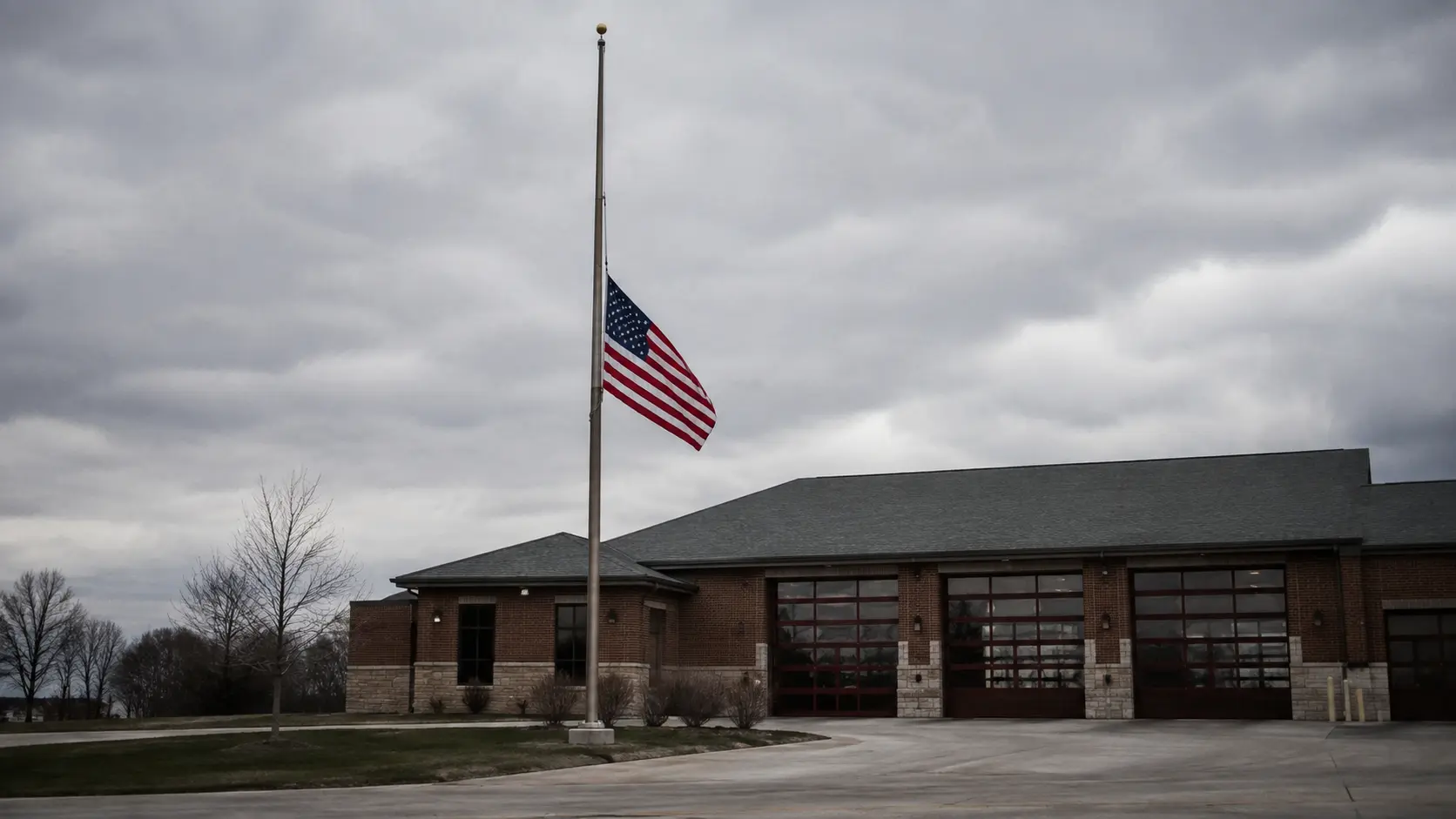
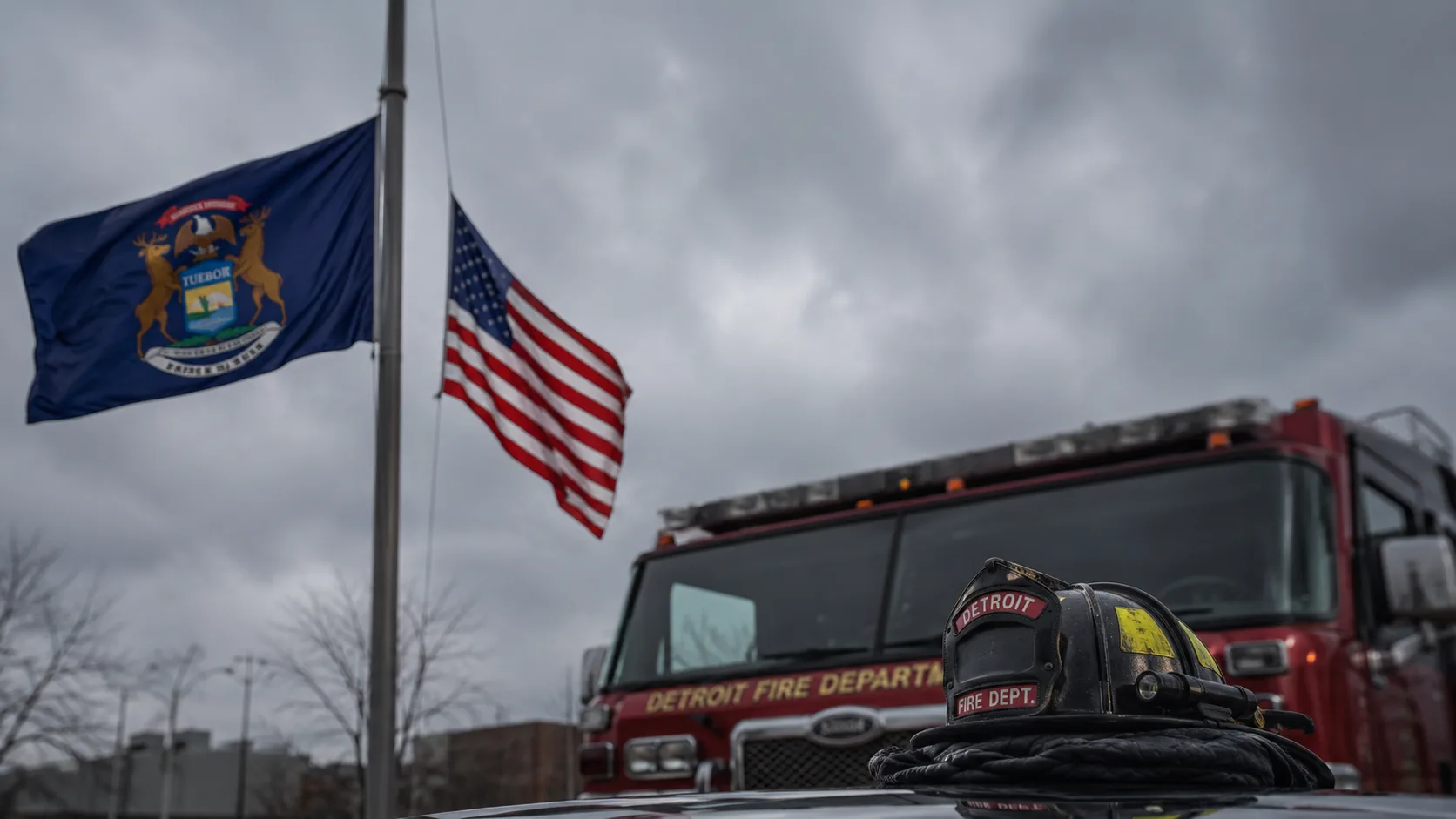
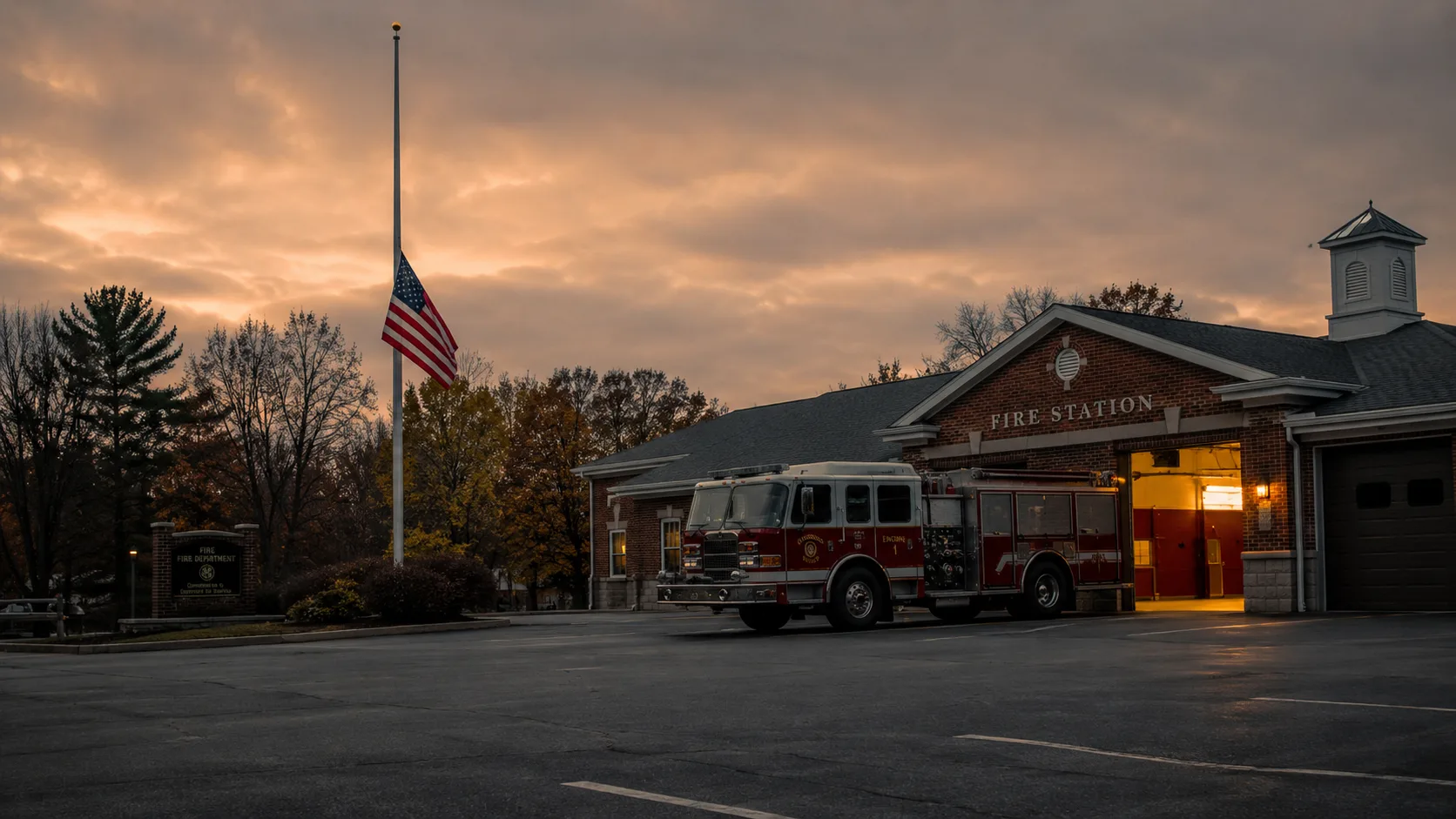
Eau Claire's city leadership ordered the U.S. and Wisconsin flags flown at half-staff at all city buildings, a mark of respect that will continue through sunset on August 10, the day of Jungbluth's interment — a gesture municipalities routinely extend for a line-of-duty death within their department.
On-Duty Firefighter Deaths, By the Numbers
Federal and NFPA tracking has put the annual U.S. on-duty firefighter death toll in the range of roughly 65 to 95 in most recent years, with sudden cardiac and stress-related events consistently the single largest cause — well ahead of being caught in fire progress, vehicle collisions, or falls. Volunteer firefighters, who make up the majority of the country's fire service and often respond directly from other jobs without the same recovery time between calls, have historically accounted for more than half of these deaths.
This is why Jungbluth's death, while sudden and shocking to his community, fits a pattern the fire service has worked for years to address through mandatory rehab periods after strenuous calls, cardiac screening programs, and rest-cycle policies — and why it is treated with exactly the same institutional weight as a death at the seat of a fire.
How the Public Can Pay Respects or Help
- ✓Attend or line the procession or funeral route respectfully — stand off the roadway and follow directions from law enforcement.
- ✓Check the family's or department's preferred memorial fund before sending flowers or gifts — many departments direct contributions to a specific fund for the firefighter's family.
- ✓Support the National Fallen Firefighters Foundation, which provides counseling and assistance to LODD families nationwide and organizes the annual national memorial service in Emmitsburg, Maryland.
- ✓Check in on local firefighters after a nearby LODD — a fellow department's loss is felt across the entire fire service, not just the department directly affected.
Bryce Jungbluth's funeral service will be held at 2:00 p.m. on August 10 at the Hayward High School gymnasium in Hayward, Wisconsin, with visitation the prior evening and the morning of the service. The Eau Claire Fire Department has asked the public to keep his family, friends, and colleagues in their thoughts during this time.

Comments 0
No comments yet. Be the first to share your thoughts!
Leave a Comment