What Is the "Last Alarm" Ceremony at a Firefighter's Funeral?
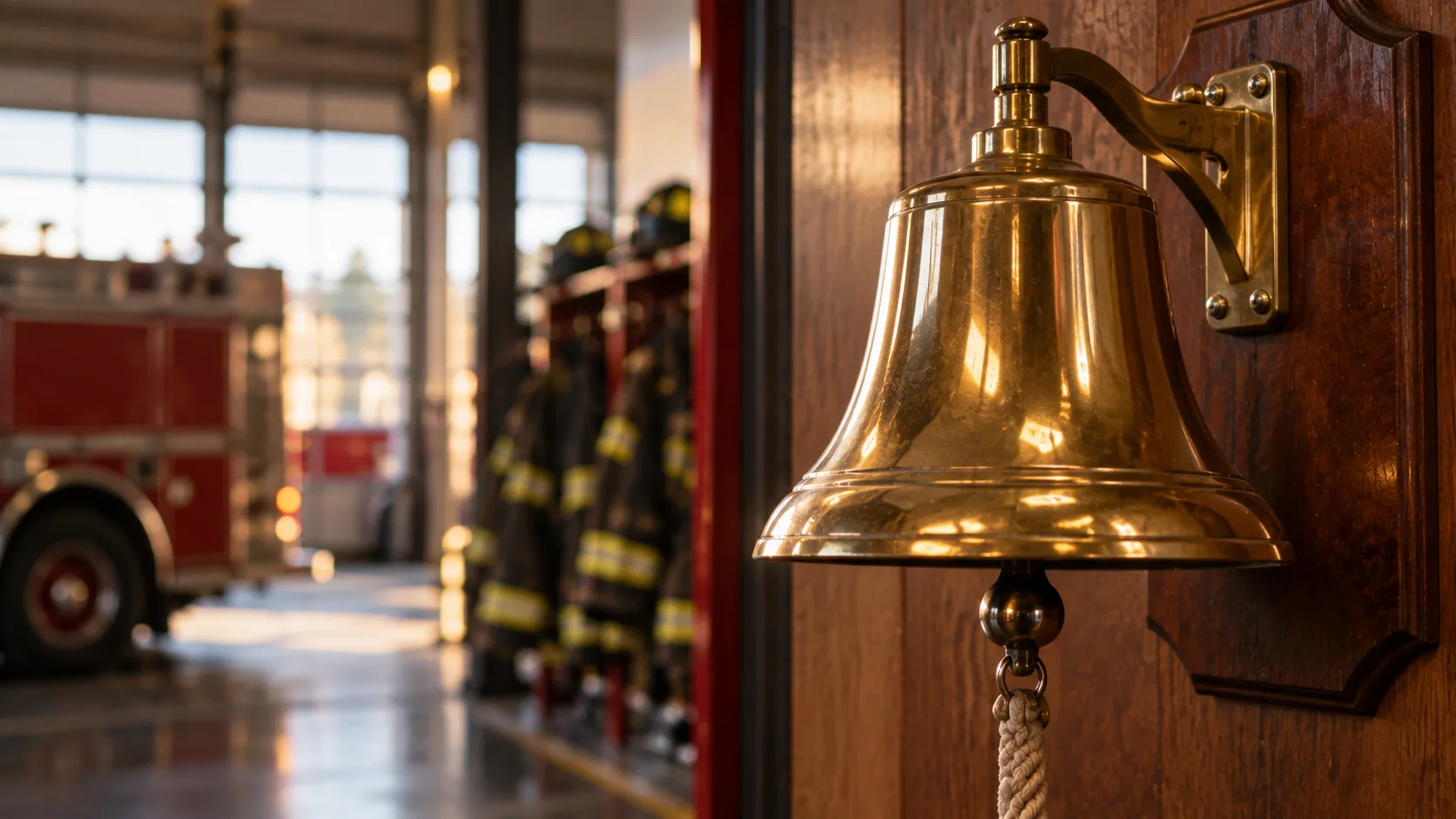
Near the end of a fallen firefighter's funeral service, a dispatcher keys up the radio and calls their name, badge number, and unit one final time, exactly the way they would for a routine shift. Silence follows. Then a fire department member strikes a bell in a specific, memorized pattern. Together, those two moments make up the Last Alarm, one of the oldest and most consistent traditions in the American and Canadian fire service, and one built directly out of how fire departments used to communicate before radios existed at all.
Where the Bell Pattern Actually Comes From
Long before two-way radios, fire departments relied on telegraph systems and mechanical bells to move information across a city. Specific strike patterns carried specific meanings: a five-five-five sequence, for instance, historically signaled a general alarm meaning every available unit needed to respond immediately. Other patterns indicated particular locations or types of calls, and firefighters memorized these codes the way soldiers learn rank insignia, since a single bell could relay complex information city-wide before voice communication was possible. When a firefighter died, some departments used a specific telegraph pattern, tapping out the word "fell" in coded dashes, repeated, to notify every station simultaneously.
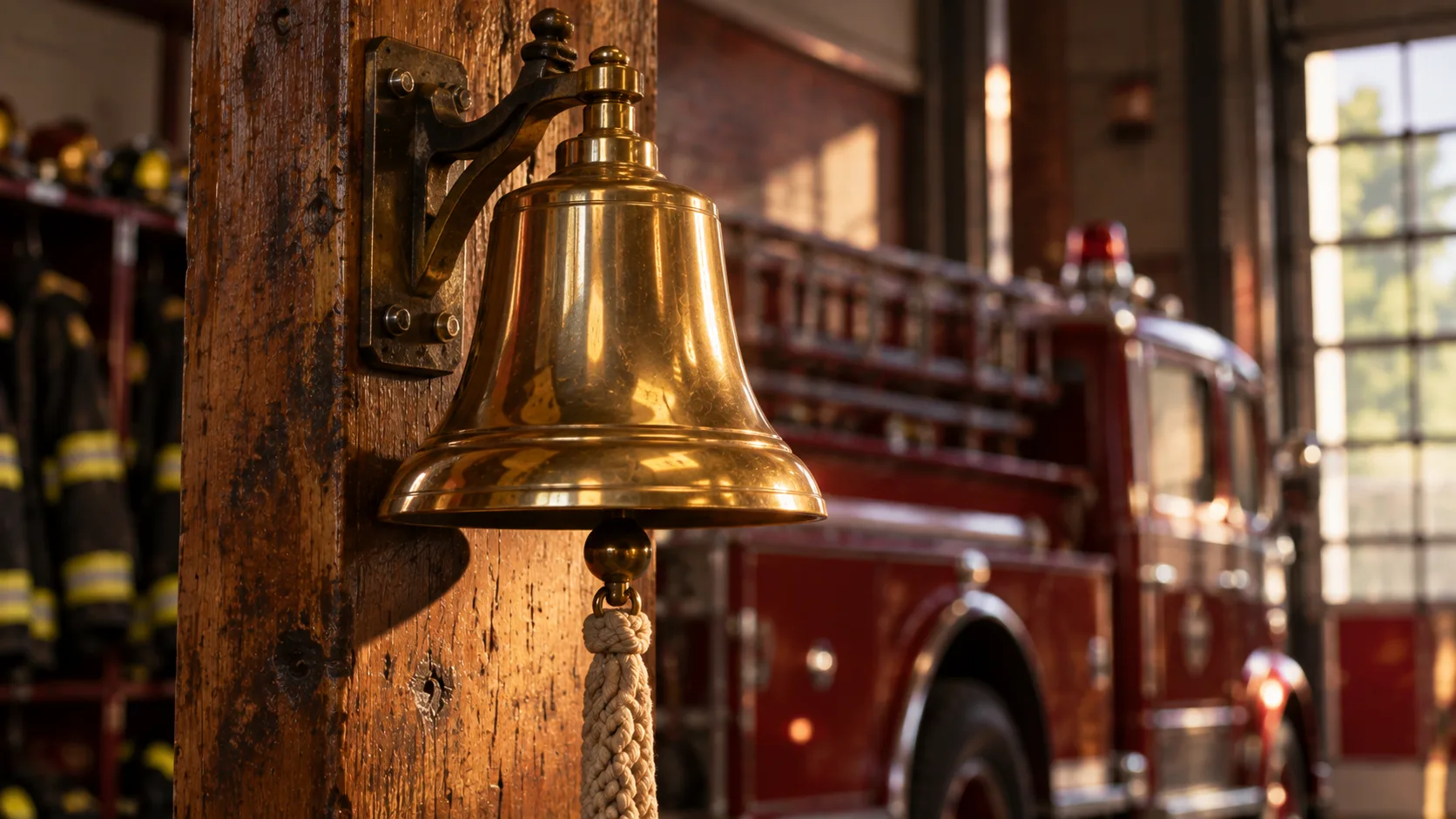
The bell pattern used in the Last Alarm ceremony traces back to telegraph-era signaling codes fire departments once used to communicate across an entire city.
What the Same Pattern Means Today
At a funeral, that same urgent pattern is repurposed to mean the opposite of what it once did. Most departments use some variation of five rings, repeated three times, though the exact sequence differs by region and department, some using three tolls, others three sets of three. Where the pattern once meant "everyone respond," at a memorial it signals that one firefighter's duty is complete and they are, in the language many departments use, "returning to quarters" for the last time. The ceremony typically happens at the end of the funeral or at the graveside, led by a department chaplain or senior member, often paired with a short, prepared statement about the firefighter's final call.
The Radio Call That Goes Unanswered
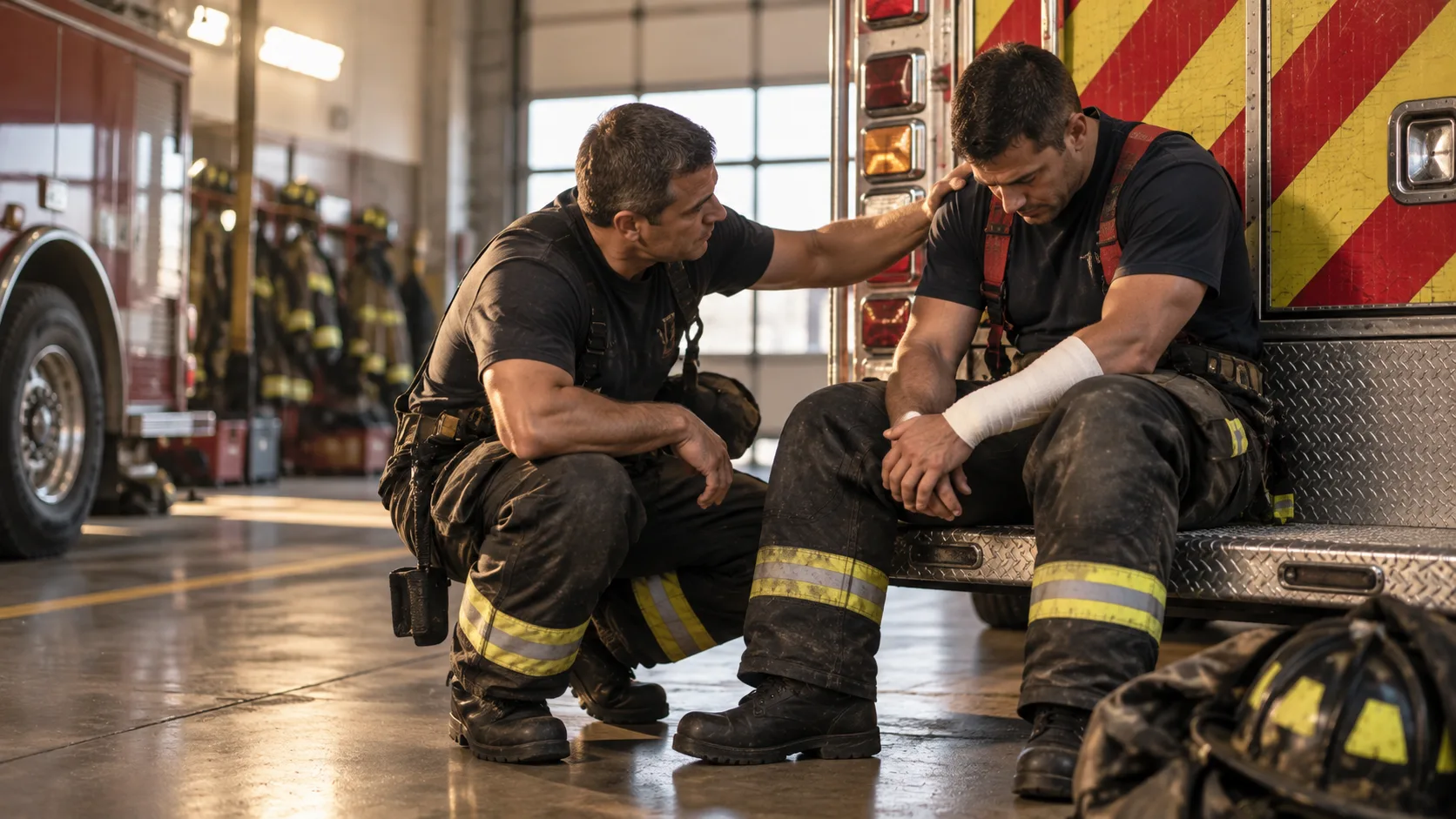
Alongside the bell, many departments include a final radio call, sometimes called the Last Call: a dispatcher reads out the firefighter's unit, name, and badge or call number over the air exactly as they would for any shift, then waits. When no response comes, the dispatcher formally announces the time, and sometimes the date, of the firefighter's death, followed by a closing line marking them as end of watch. For firefighters who spend their careers listening for their unit number on that same radio, hearing it called out one last time, with nothing coming back, tends to be the single moment that hits hardest at these services.
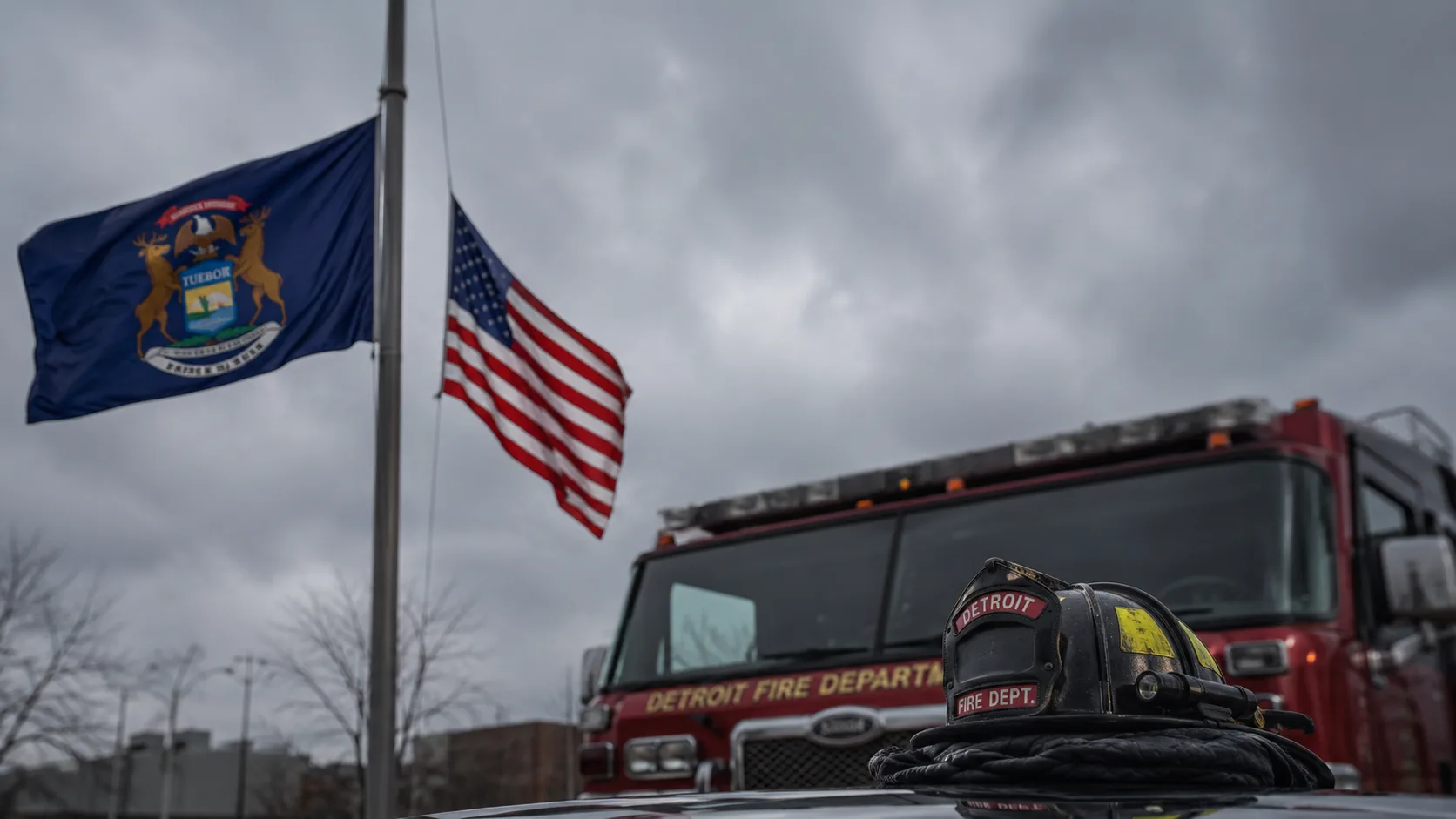
Did you know? In fire service tradition, a bell code of "5-5-5-5" struck at a firehouse doesn't always mean a funeral is happening — it's also the traditional signal used to notify a firehouse that a member has died, prompting the flag outside to be lowered to half-mast.
Part of a Larger Set of Traditions
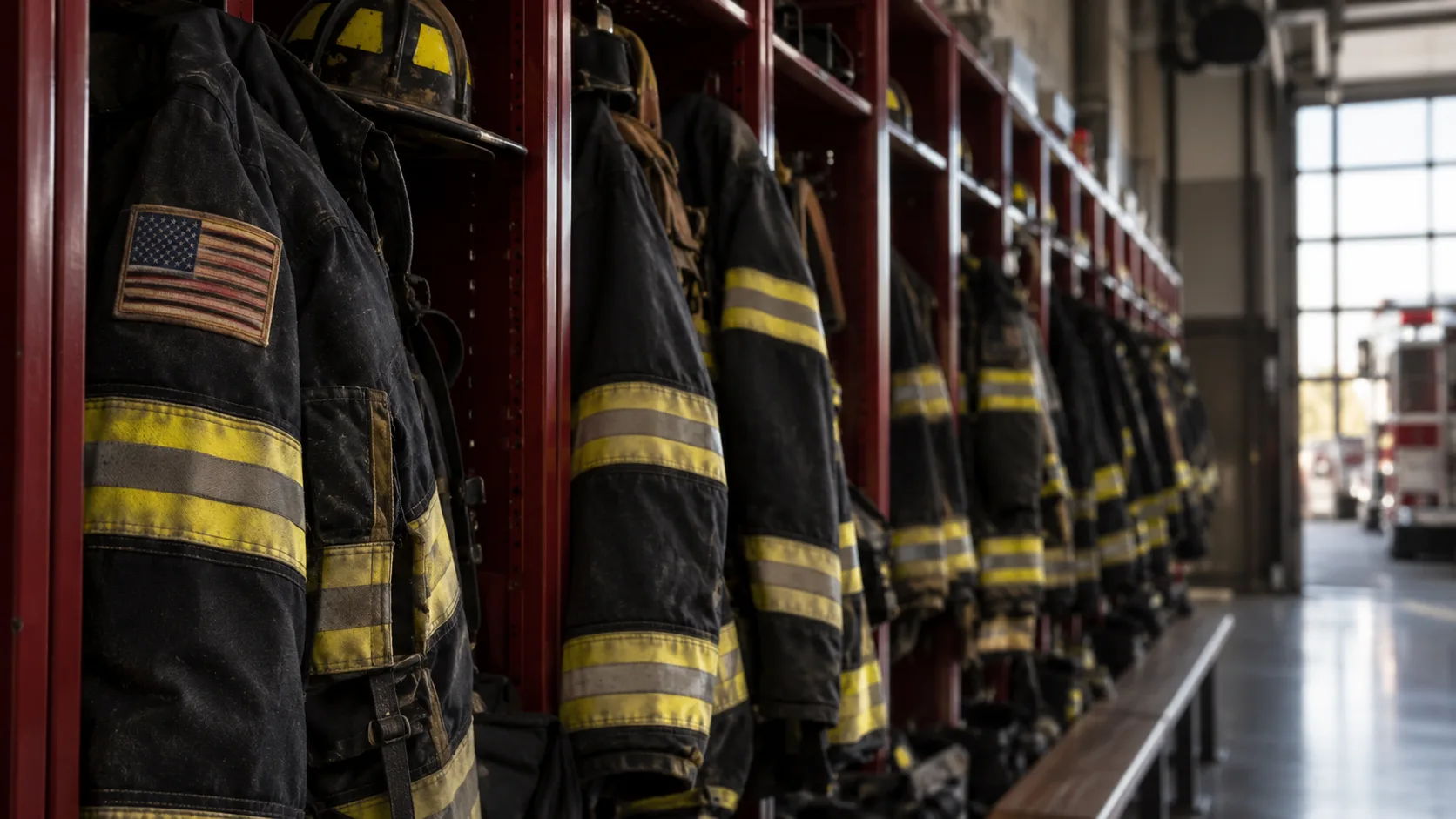
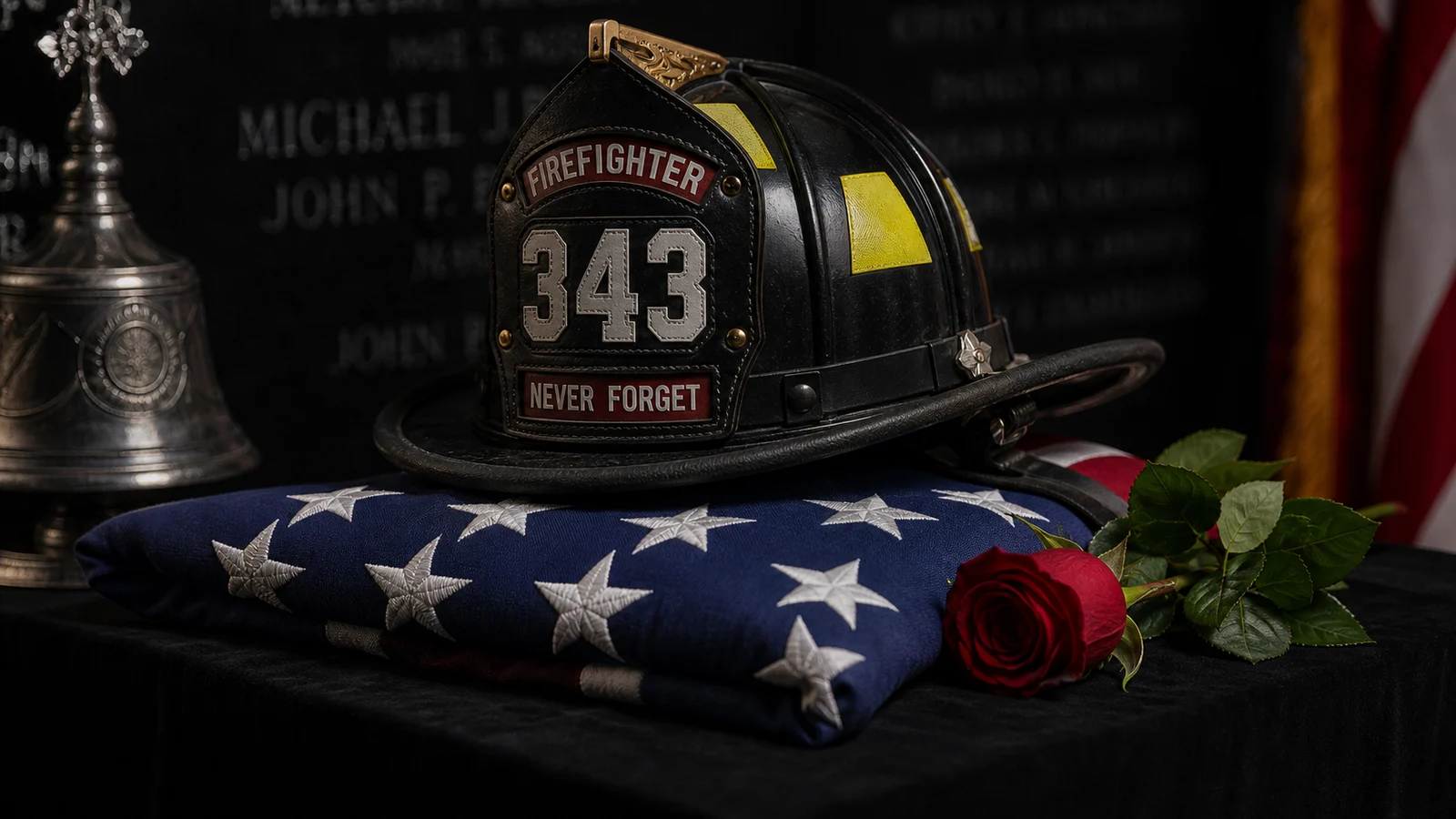
The Last Alarm rarely stands alone. Firefighter funerals typically also include the casket draped in an American flag, ceremonially folded and presented to the next of kin, closely mirroring military funeral honors. Bagpipes, most often playing "Amazing Grace," are a near-universal presence. An honor guard stands watch over the casket throughout the service, and the firefighter's helmet is often presented separately as part of the ceremony. Many services also include a reading of the Fireman's Prayer, a piece of fire service liturgy that opens with the line "When I am called to duty, God, whenever flames may rage."
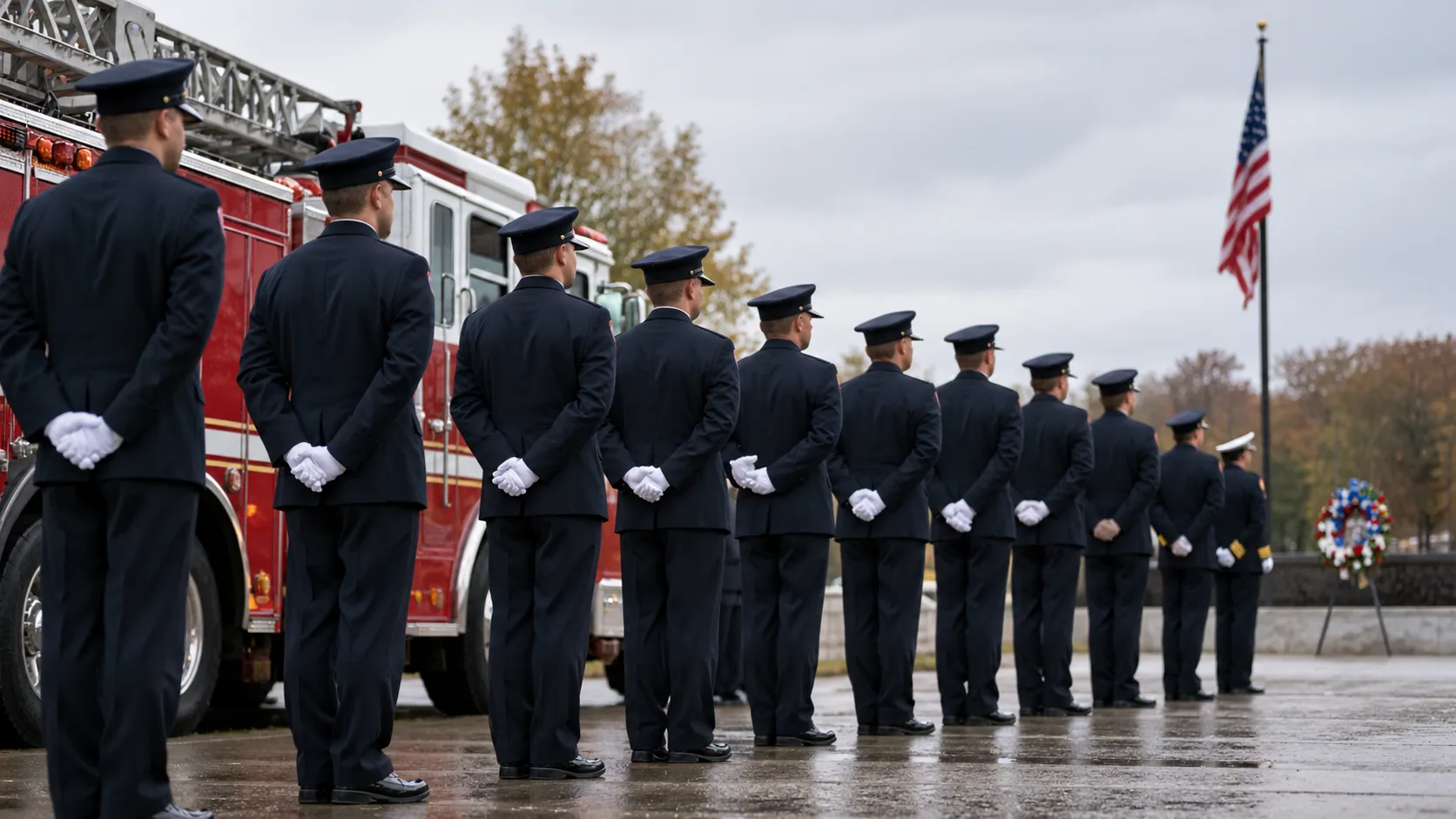
The Last Alarm is typically one part of a broader set of honors, including a flag-draped casket, bagpipes, and an honor guard standing watch throughout the service.
Bottom Line
The Last Alarm takes a signal system firefighters once relied on to save each other's lives and repurposes it, unchanged in form but inverted in meaning, to mark the moment a firefighter's own service ends. It persists because it does something a spoken eulogy can't: it speaks in the fire service's own historical language, understood instantly by everyone who has ever worn the uniform, and increasingly by the public who has come to recognize it too.
Frequently Asked Questions
What does the bell pattern in the Last Alarm ceremony mean?
Most departments use a version of five rings repeated three times, a pattern that historically signaled a general alarm calling every unit to respond. At a funeral, the same pattern is repurposed to mark the end of a fallen firefighter's duty.
What is the "Last Call" during a firefighter funeral?
It's when a dispatcher radios the fallen firefighter's name, unit, and badge number one final time, exactly as they would during a normal shift, then formally announces their end of watch after no response comes.
Where does the Last Alarm tradition come from?
It traces back to telegraph-era fire departments, which used coded bell and telegraph patterns to communicate across a city before radios existed, including specific codes once used to notify stations when a firefighter had died.
Are other traditions part of a firefighter's funeral besides the Last Alarm?
Yes. Common elements include a flag-draped casket ceremonially folded and presented to the family, bagpipes, an honor guard standing watch, presentation of the firefighter's helmet, and a reading of the Fireman's Prayer.

Comments 0
No comments yet. Be the first to share your thoughts!
Leave a Comment