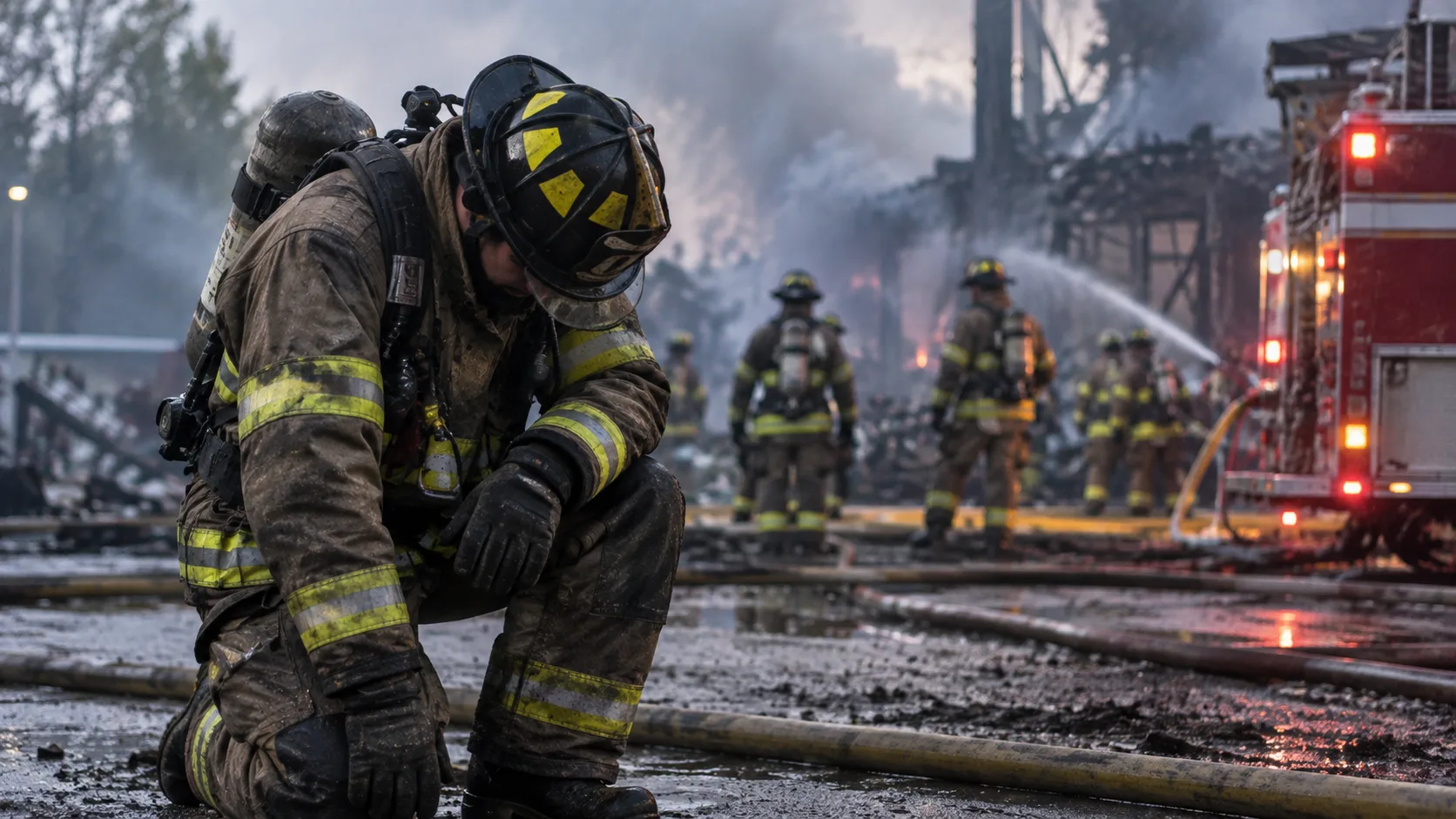
How Dangerous Is Firefighting, Really? The Numbers Might Surprise You
Ask most people what kills firefighters on the job, and the answer that comes to mind is usually flames: a collapsing roof, a flashover, getting trapped inside a structure. The National Fire Protection Association's annual fatality data tells a different story, and it's been telling the same story for decades. The single leading cause of on-duty firefighter death isn't fire at all. It's the firefighter's own heart.
The Cardiac Numbers Are Not Close
NFPA identified 83 firefighter fatalities in 2025 under its current, expanded criteria, which since 2022 has counted fatal heart attacks, strokes, and other medical events occurring within 24 hours of duty, not just ones where a firefighter made a specific complaint while still on the clock. Under that broader lens, cardiac events alone accounted for 18 of those deaths on their own, and when combined with other overexertion and strain-related fatalities, cardiac and strain-related causes made up roughly two-thirds of all on-duty deaths for the year. Other annual analyses of the same underlying data have put the cardiac share even higher in some years, with heart attacks responsible for well over half of total on-duty fatalities. This pattern isn't new or unusual: sudden cardiac death has consistently been the single largest category of on-duty firefighter deaths for as long as the NFPA has been tracking the data.
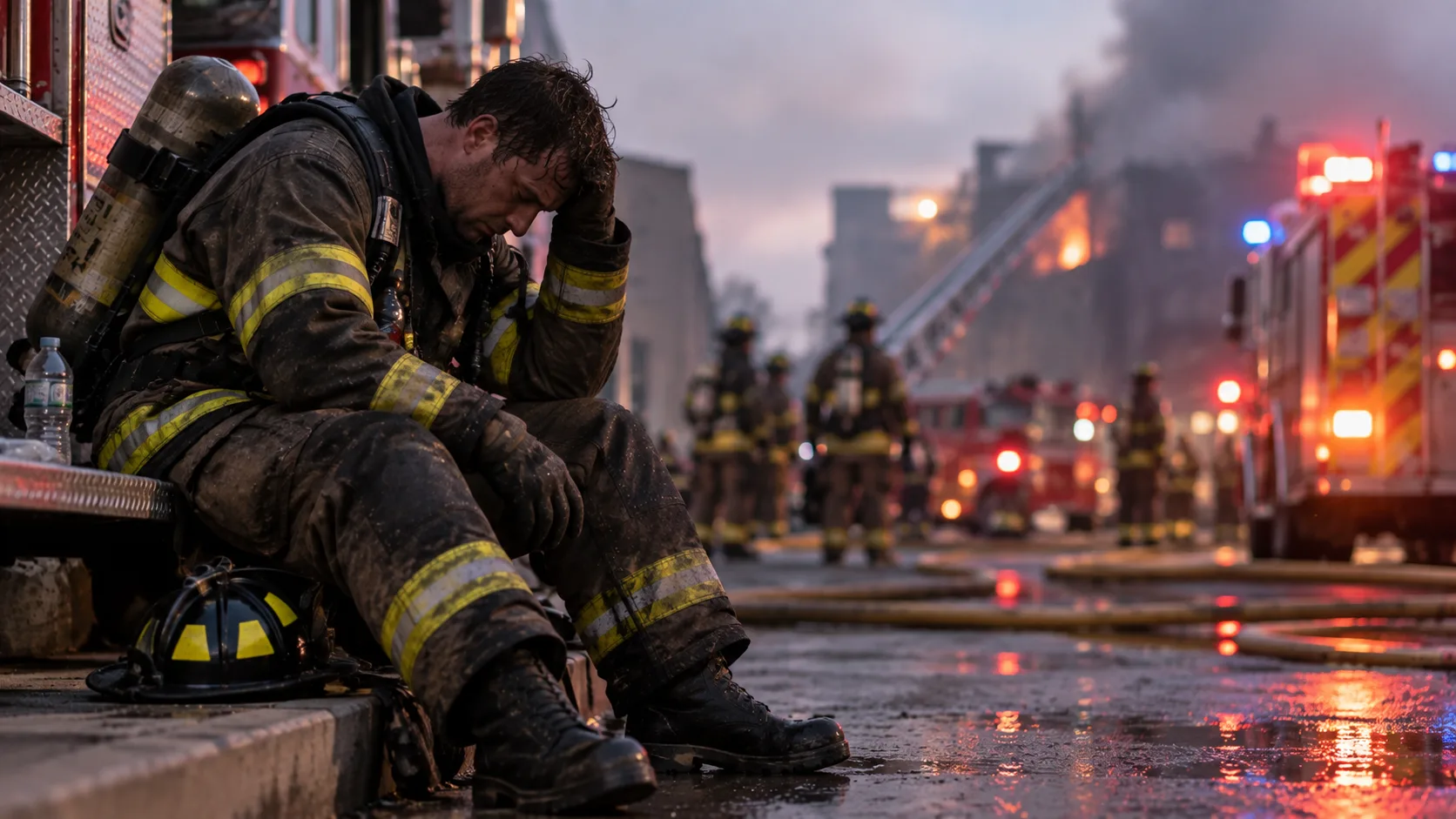
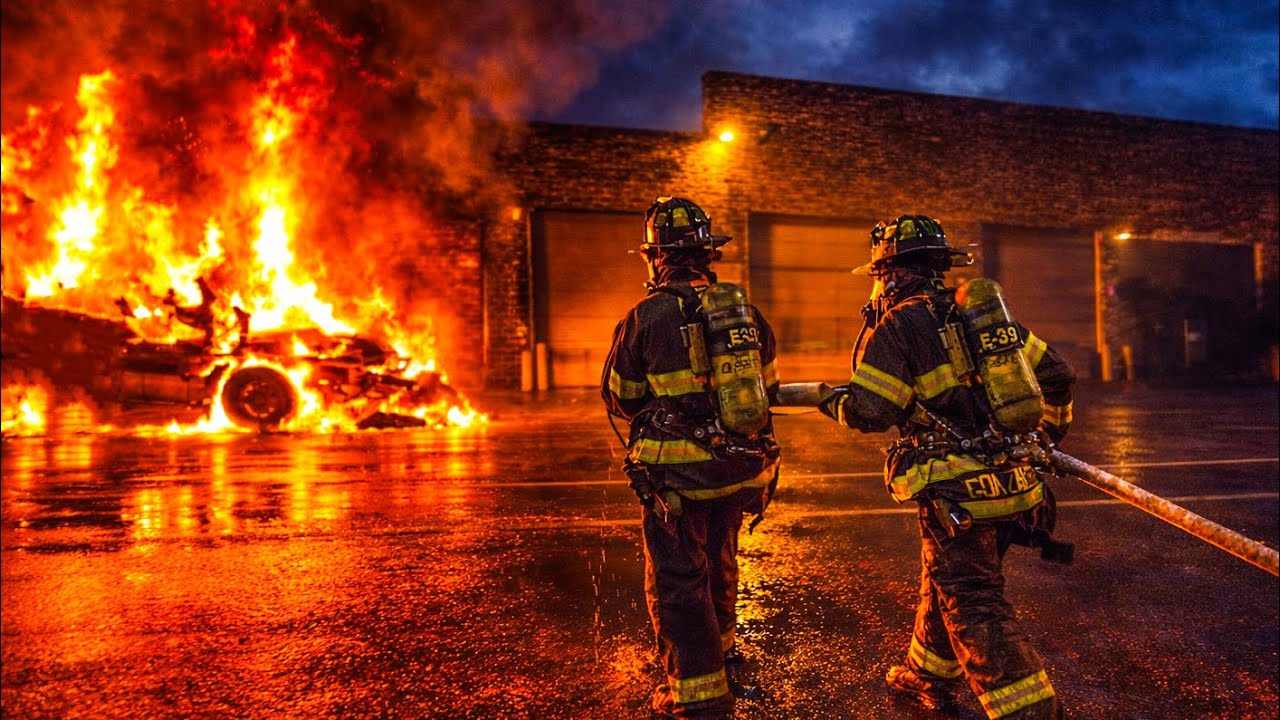
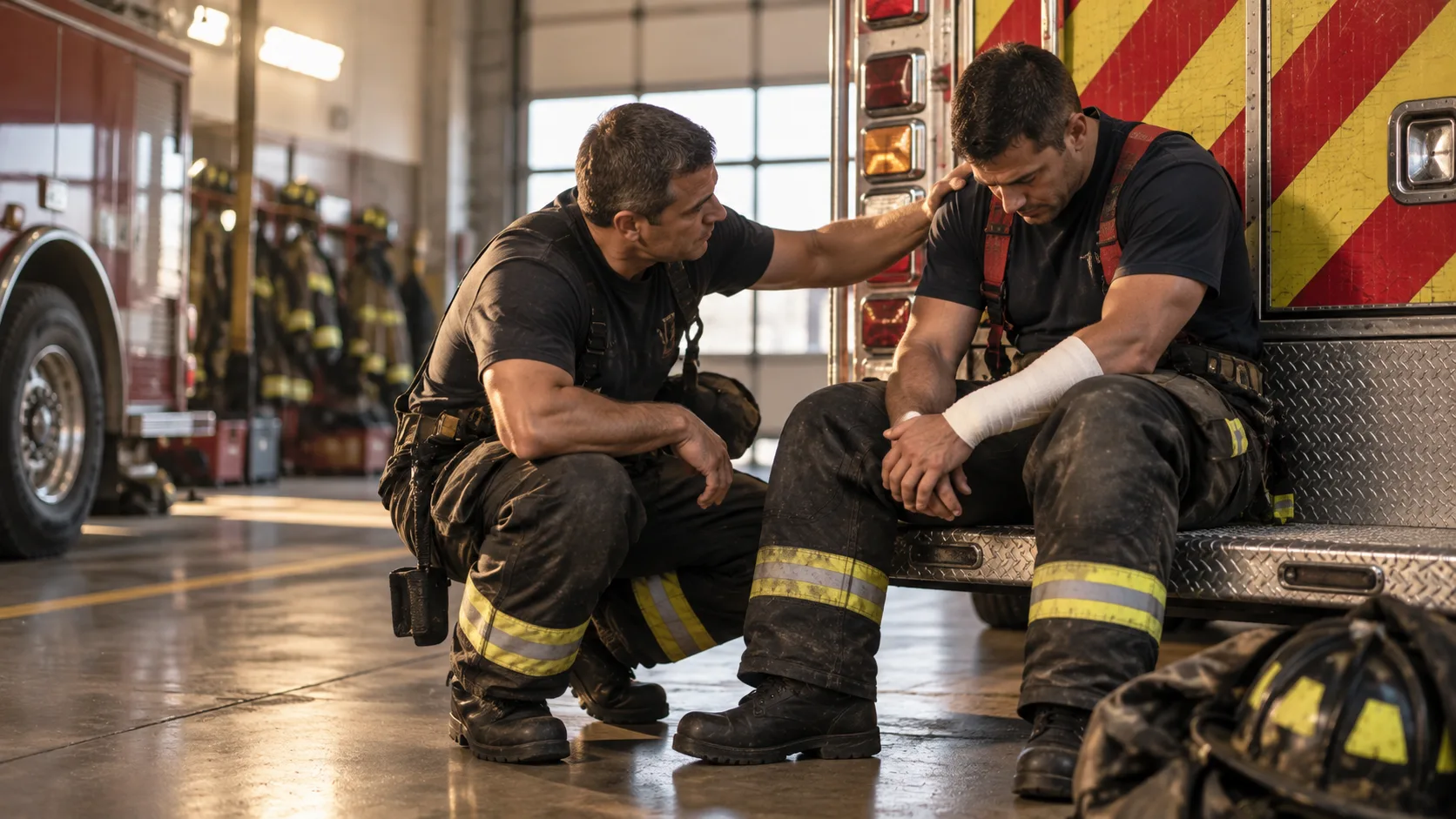
The physical toll of full PPE, heat, and exertion, not flames themselves, drives the majority of on-duty firefighter deaths in a typical year.
Why the Job Is So Hard on the Heart
The physiology behind those numbers is well studied. Entering an active fire in full protective gear and SCBA sends a firefighter's core body temperature up by as much as 1.8 to 3.6 degrees Fahrenheit within the first 20 minutes of interior operations, layered on top of already elevated heart rates from the alarm response itself, sustained heavy exertion, and dehydration. Even training exercises, which are meant to build the fitness that protects against this exact risk, aren't immune: roughly 10 firefighters died during training activities in 2025 alone, and the majority of those deaths were cardiac in nature as well.
Putting the Raw Death Toll in Context
With an estimated 1,018,100 career and volunteer firefighters in the United States as of 2023, and roughly 90 to 100 on-duty deaths in a typical recent year, the annual death rate works out to somewhere around 1 in every 11,000 firefighters. That figure has moved substantially over time: fatalities trended downward through most of the 2010s, spiked sharply to 141 in 2021 amid pandemic-related complications, then fell back to roughly 72 in 2024 before climbing again to the low 80s in 2025. The long-term trajectory reflects real safety gains, better PPE, better protocols, and more cardiac screening, but the year-to-year swings are a reminder that the underlying risk hasn't disappeared.
Did you know? The death toll from acute, on-duty incidents is only part of the picture. Separate from these statistics, occupational health researchers estimate more than half of U.S. firefighters will develop cancer at some point in their careers, a risk tied to chemical exposure that plays out over years rather than in a single shift.
What's Actually Injuring Firefighters, Not Just Killing Them
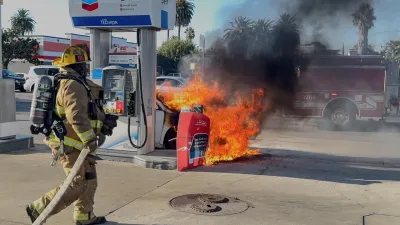
Nonfatal injuries follow a somewhat different pattern than fatalities, with strains, sprains, and overexertion again showing up as leading categories, alongside falls, being struck by objects or vehicles, and exposure to smoke, chemicals, and other hazardous atmospheres. Vehicle crashes, both responding to and returning from calls, remain a persistent and serious category on their own, distinct from anything that happens once a crew actually arrives on scene. This is part of why fire service safety campaigns increasingly focus as much on seatbelt use, safe apparatus driving, and cardiac fitness screening as they do on structural firefighting technique.
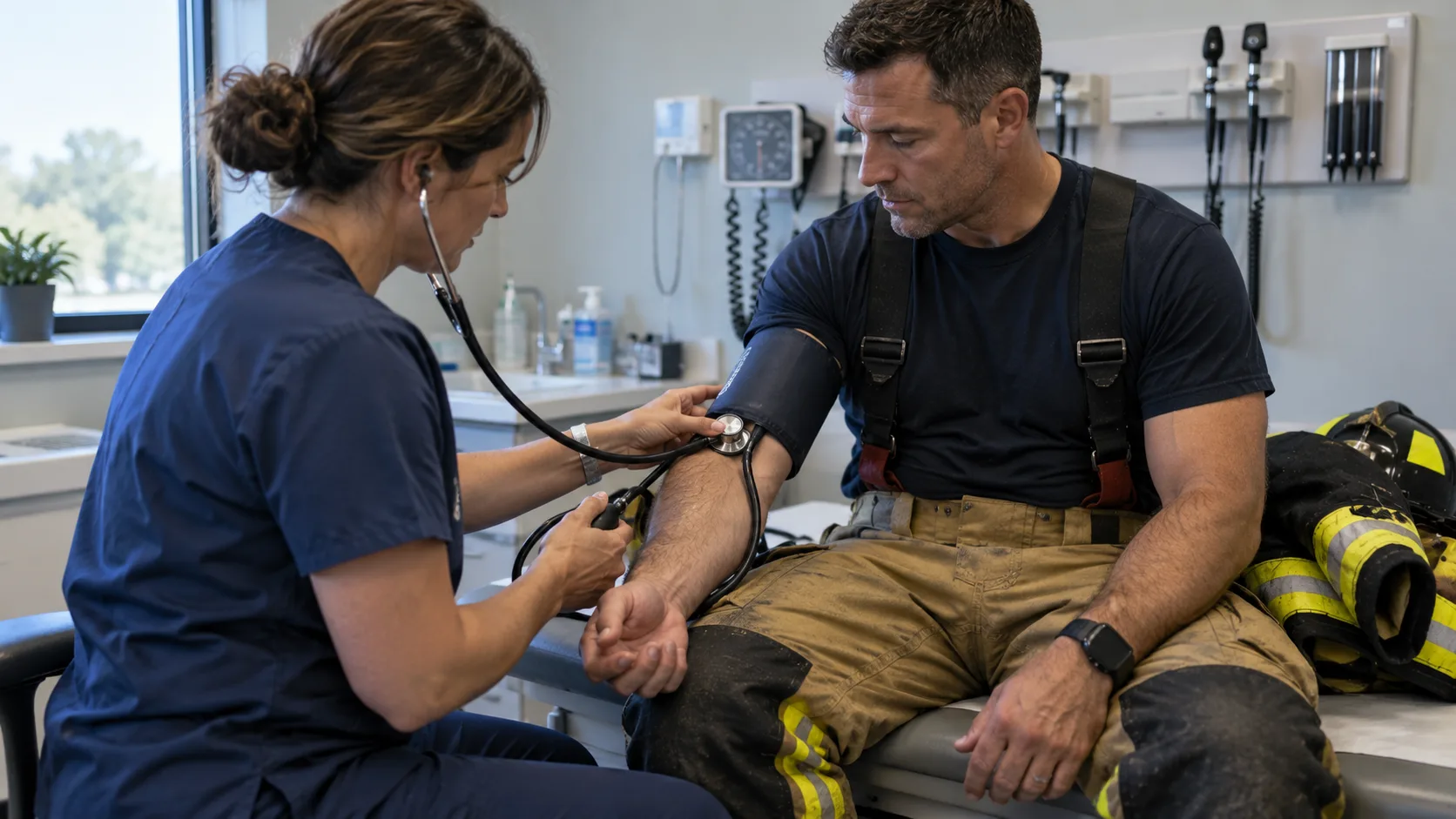
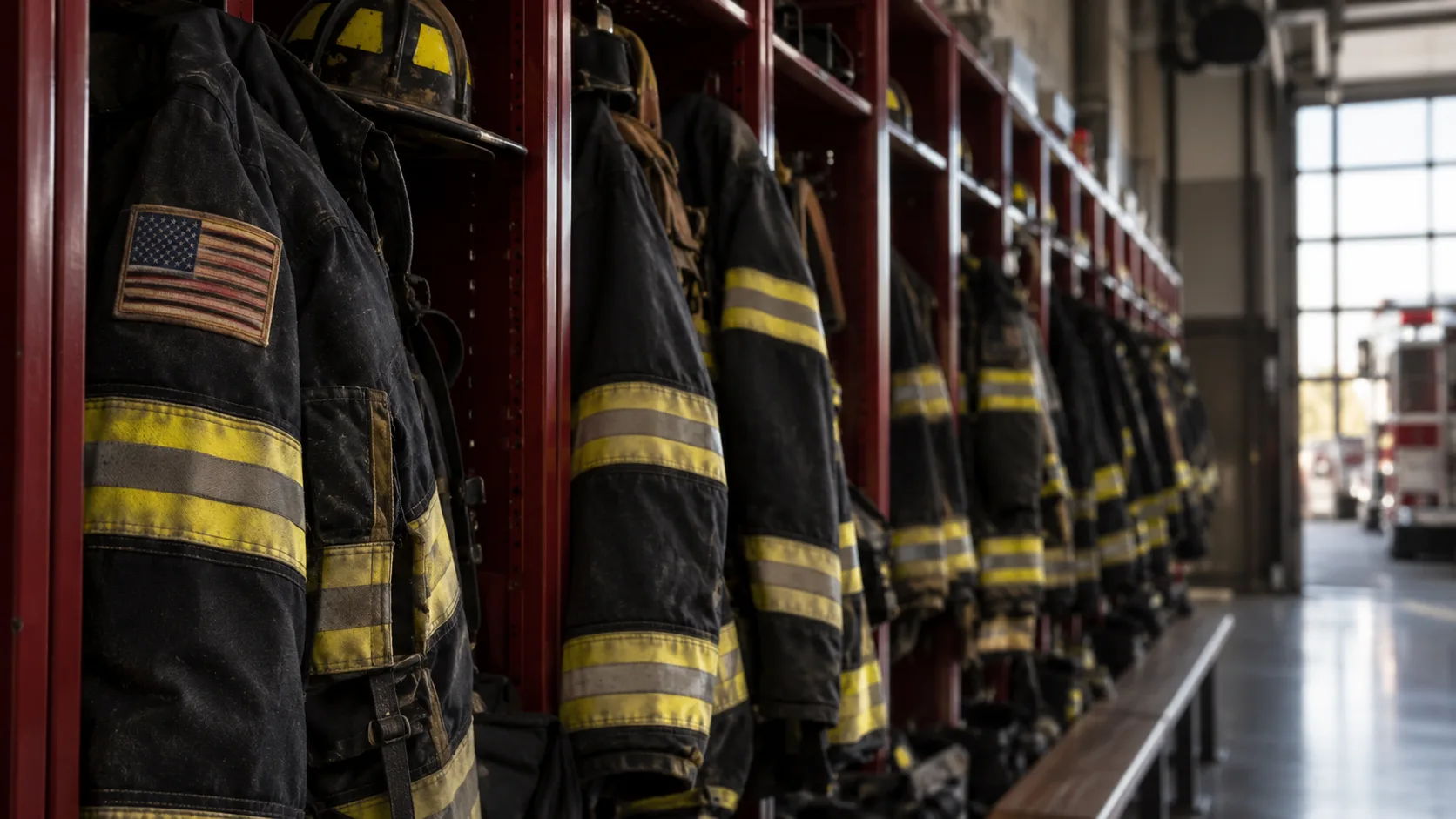
Cardiac screening and fitness programs have become a central part of firefighter safety efforts, directly targeting the leading cause of on-duty death.
Bottom Line
Firefighting is genuinely dangerous, but not primarily in the way most people picture it. Flames, collapses, and trapped-or-overrun scenarios are real and serious risks, but year after year, the numbers point to the firefighter's own cardiovascular system, pushed to its limit by heat, gear, and adrenaline, as the single biggest threat to their life on the job. That's exactly why the fire service has spent the last decade pouring resources into cardiac screening and physical conditioning alongside its traditional focus on fireground tactics.
Frequently Asked Questions
What is the leading cause of on-duty firefighter death?
Cardiac events, primarily heart attacks, are the leading cause of on-duty firefighter death, a pattern that has held consistently for decades according to NFPA data.
How many firefighters die on duty each year in the United States?
The number varies year to year, generally ranging from roughly 70 to just over 140 in recent years, with NFPA identifying 83 fatalities in 2025 under its current, expanded reporting criteria.
Why is firefighting so hard on the heart?
Full protective gear and SCBA, combined with intense physical exertion, heat exposure, and the adrenaline surge from an alarm, can raise core body temperature and heart rate dramatically within the first 20 minutes of interior fire operations, creating significant cardiovascular strain.
What is the actual death rate for U.S. firefighters?
Based on an estimated 1,018,100 career and volunteer firefighters and roughly 90 to 100 annual on-duty deaths in recent years, the death rate works out to approximately 1 in every 11,000 firefighters per year.


Comments 0
No comments yet. Be the first to share your thoughts!
Leave a Comment