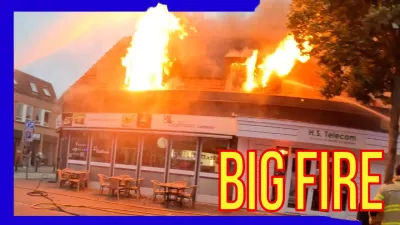

In a nation where the first responders are often the unsung heroes, a looming crisis threatens their ability to protect communities from the ravages of fire. Chairman Josh Hawley has sounded the alarm on what he describes as a dire shortage of fire trucks across the United States, a situation that poses significant risks to public safety. As flames engulf homes and businesses, the availability of reliable firefighting apparatus is becoming increasingly compromised, sparking urgent discussions in both local and national forums.
The situation is alarming; many fire departments in rural and urban areas alike are struggling to maintain their fleets. This shortage is not merely a logistical issue; it reflects a broader crisis in funding, support, and prioritization of fire services. “Every moment we delay in addressing this crisis is a moment we risk losing lives and property,” Chairman Hawley emphasized during a recent Senate hearing. With fires becoming more frequent and intense due to climate change, the need for effective firefighting resources has never been more critical.
The Economic Impact of Fire Truck Shortages
The economic implications of inadequate firefighting resources extend beyond property loss; they ripple through communities and affect local economies. Businesses that suffer from fire incidents can face devastating financial repercussions, leading to job losses and reduced tax revenues for municipalities. The absence of reliable fire trucks can deter new businesses from setting up shop in areas where fire safety is questionable, ultimately hampering economic growth.
In many cases, the financial constraints faced by fire departments stem from shrinking budgets, often exacerbated by the ongoing effects of the COVID-19 pandemic. As municipalities grapple with their financial responsibilities, the funding allocated for fire services frequently takes a backseat. This has led many departments to operate with outdated equipment, making them ill-prepared to tackle the increasingly complex challenges posed by modern fires.
Moreover, the rising costs associated with purchasing new fire trucks can be staggering. Fire engines can range from $300,000 to over $1 million, depending on their specifications and capabilities. For smaller departments, this is a prohibitive cost that often leads to extended periods without the necessary equipment to effectively respond to emergencies. The need for federal assistance has never been more pronounced, as many local governments simply cannot shoulder the financial burden alone.
Community Consequences and the Call for Action
The emotional toll of such inadequacies is palpable within communities. Stories of families losing their homes and businesses to preventable fires create an urgent narrative that cannot be ignored. Parents worry about the safety of their children, and community leaders find themselves in a position of helplessness, lacking the resources to protect their constituents adequately. “When you see a fire truck drive past, you should feel safe, not anxious about whether it can actually help in a crisis,” one firefighter lamented, highlighting the fear that grips communities as resources dwindle.
In response to this situation, several grassroots movements have emerged, advocating for increased funding and support for fire departments. Local fire associations are mobilizing to raise awareness about the ongoing crisis, hosting events and reaching out to lawmakers to stress the urgency of the situation. The message is clear: communities need to come together to advocate for their heroes, ensuring that they have the tools necessary to serve and protect.
Legislative action is slowly beginning to take shape, with some lawmakers proposing bills aimed at increasing funding for fire services. However, these proposals often face significant hurdles as they navigate the complex landscape of federal and state budgets. The urgency of the crisis demands immediate attention, yet the path to securing adequate funding remains fraught with challenges. Advocates are pushing for a comprehensive approach that includes not only direct funding but also grants and subsidies to help alleviate the financial burden on local governments.
As discussions continue in legislative chambers, the call for action grows louder. Community members are encouraged to reach out to their representatives, emphasizing the importance of fire safety and the dire need for resources. Public awareness campaigns are essential in this endeavor, aiming to educate citizens on the risks posed by inadequate firefighting capabilities and the implications for public safety. The narrative must shift from one of despair to one of empowerment, as communities advocate for the necessary changes to protect their own.
In the face of these challenges, the resilience of firefighters remains unwavering. Despite the limitations imposed by aging equipment and dwindling resources, these brave men and women continue to put their lives on the line every day. Their dedication to their communities serves as a powerful reminder of the stakes involved. As the summer months bring an increased risk of wildfires and urban blazes, the urgency for action becomes even more pressing.
Ultimately, the fire truck crisis is not just a logistical issue; it is a matter of life and death. The time for complacency has passed. Communities must rally together, demanding that lawmakers prioritize funding for fire services to secure a safer future. It is a fight that requires collective action, persistence, and an unwavering commitment to safeguarding lives and properties across the nation. Without adequate resources, the brave men and women who respond to our emergencies face an uphill battle that could have devastating consequences for all.
As the nation reflects on the challenges posed by the fire truck crisis, it is imperative to remember that the fight for adequate resources is not just about equipment; it is about the lives that depend on those resources. The call to action is clear, and together, we must ensure that our first responders have the tools to combat the flames and protect our communities effectively.