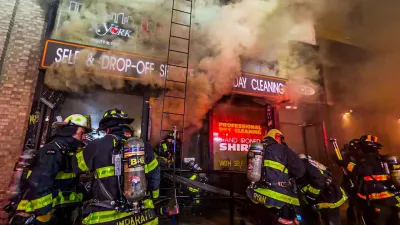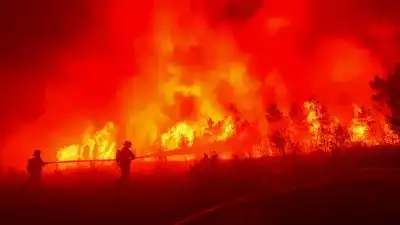

On an unfortunate day in Shallotte, North Carolina, a structure fire led to tragic outcomes, including one fatality and injuries sustained by a firefighter. While the specific date of this incident remains unclear, the implications of such events are significant, warranting reflection on our operational protocols and training practices. Investigators are currently working to determine the cause of the fire, which adds another layer of complexity to an already challenging situation.
Incident Overview
The Shallotte structure fire serves as a stark reminder of the inherent dangers associated with firefighting. One civilian has lost their life, and a firefighter has been injured during the response efforts. While the investigation continues, it is essential for all firefighters to acknowledge the potential for similar incidents in their jurisdictions. The loss of life and injury underscores the critical need for preparedness, situational awareness, and effective communication, particularly in high-stress environments such as structure fires.
Operational Considerations
This incident highlights several operational angles that warrant further examination. Water supply is always a critical factor in firefighting, and ensuring a reliable source can make a significant difference in mitigating damage and preventing injuries. Firefighters must routinely assess their water supply capabilities, including hydrant accessibility and functionality, especially in areas known for challenging responses.
Ventilation is another operational aspect that should be a focal point for training and preparation. Proper ventilation can help control fire behavior, reduce heat buildup, and improve conditions for both firefighters and potential victims. Teams should conduct regular drills to practice ventilation techniques, ensuring that all members are familiar with the various methods and tools available.
Lastly, the importance of a Rapid Intervention Team (RIT) cannot be overstated. This team serves a vital role in firefighter safety, ready to act in case of emergencies during operations. Regular training on RIT protocols is essential for ensuring that all team members are prepared to assist their colleagues effectively and efficiently in the event of an emergency.
Training Takeaways and Drill Idea
This incident serves as a call to action for all fire departments to reinforce the importance of firefighter safety and communication. Training programs should emphasize the need for effective RIT protocols and situational awareness during structure fires. Consider integrating scenario-based training that simulates real-life incidents, allowing firefighters to practice their response strategies in a controlled environment.
A valuable 15-minute drill idea could focus on a simulated structure fire scenario, incorporating elements such as water supply management, ventilation techniques, and RIT deployment. Set up a mock structure and assign teams to handle different aspects of the operation. This exercise will not only reinforce skills but also enhance communication among team members, which is critical in emergency situations.
Additionally, it is essential to review the lessons learned from this incident, ensuring that all personnel understand the risks involved in firefighting and the protocols in place to mitigate those risks. Refresher courses on firefighter safety, communication, and emergency response can be invaluable in maintaining a high level of readiness.
Tool of the Week
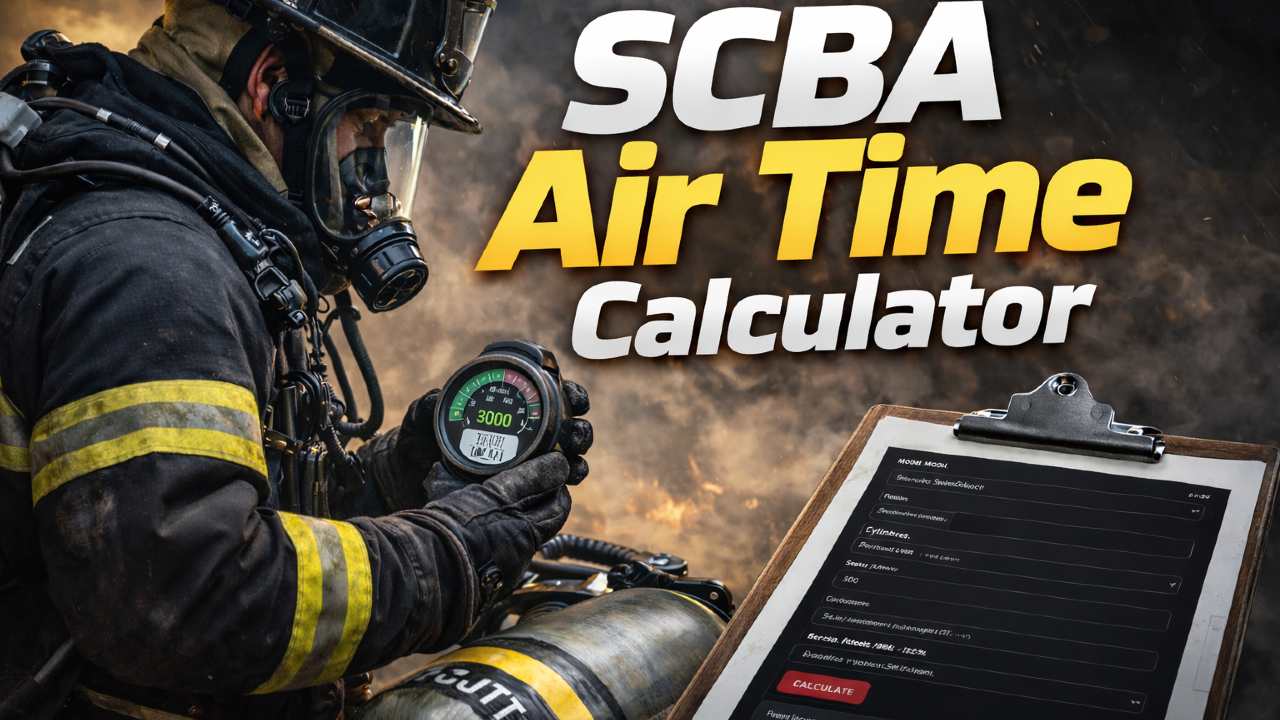
In light of the challenges highlighted by the Shallotte incident, it is crucial to equip your team with the right tools to enhance operational effectiveness. This week, we recommend a few resources available on AllFirefighter that can aid in your firefighting efforts. The Hydrant Finder (/tools/hydrant-finder) can assist in quickly locating water sources, which is vital during a fire response. The Friction Loss Calculator (/tools/friction-loss-calculator) is an essential tool for ensuring adequate water pressure and flow rates, helping to maintain effective firefighting operations. Lastly, the SCBA Air Calculator (/tools/scba-air-calculator) can help firefighters manage their air supply efficiently, ensuring they have enough air to complete their tasks safely.
In conclusion, the Shallotte structure fire is a poignant reminder of the risks firefighters face daily. As we reflect on this incident, it is imperative that we take proactive steps to enhance our operational protocols, training practices, and readiness to respond to emergencies. By doing so, we honor the sacrifices made by our fellow firefighters and work to prevent similar tragedies in the future.