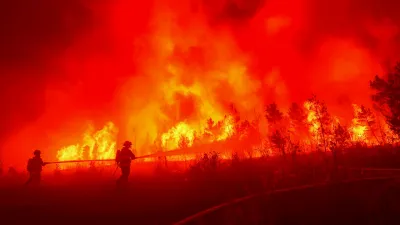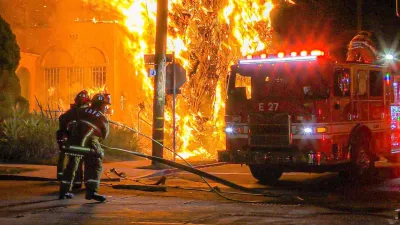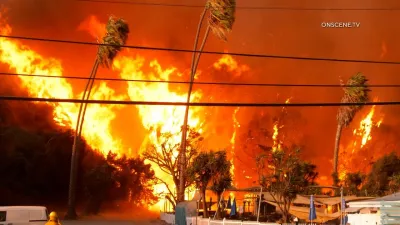

The 2025 wildfire season in North America has emerged as one of the most destructive and widespread in recent history, leaving communities shattered and landscapes scarred across the continent. From the parched forests of the western United States to the vast boreal woodlands of Canada, relentless flames have consumed millions of acres, challenging firefighting resources and threatening lives on an unprecedented scale. This year’s infernos are not just a natural disaster—they are a harsh reminder of the escalating climate crisis and the urgent need for coordinated action to protect both people and the environment.
As the fires raged through dry underbrush and drought-stricken regions, thousands of residents were forced to evacuate their homes, often with little warning. Entire neighborhoods have been reduced to ash, and countless wildlife habitats have been destroyed. The human toll extends beyond the immediate destruction, as smoke blanketing cities has compromised air quality, impacting public health across vast areas. Emergency responders have worked around the clock, battling flames with limited resources, yet the scale and intensity of these blazes have tested even the most prepared firefighting teams.
Unprecedented Scale and Impact of the 2025 Fires
This year’s wildfire season has been marked by a combination of factors that have fueled the rapid spread and intensity of the flames. Prolonged drought conditions, record-high temperatures, and shifting weather patterns have created a perfect storm for fire outbreaks. In the western United States, states like California, Oregon, and Washington have witnessed some of their largest and most destructive fires on record. Similarly, Canada’s western provinces, including British Columbia and Alberta, have battled massive wildfires that have consumed extensive tracts of forest.
Experts note that the scale of these fires dwarfs previous seasons, with millions of acres burned and thousands of structures destroyed. The financial cost is staggering, with billions spent on firefighting efforts, evacuations, and rebuilding. Beyond the economic impact, the psychological toll on affected communities is profound. “In the face of such overwhelming destruction, the resilience of those who’ve lost everything is a testament to human strength and hope,” one fire chief remarked, capturing the emotional gravity of the crisis.
Firefighting Challenges and Community Responses
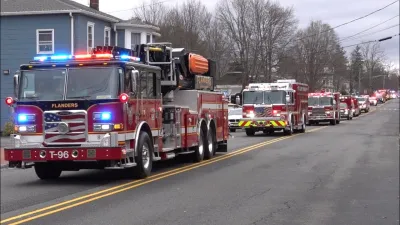
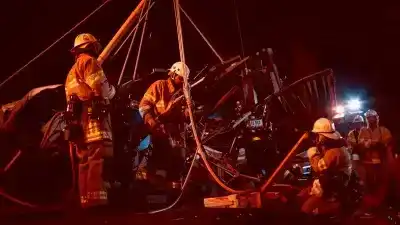
Firefighters have confronted extraordinary challenges throughout the 2025 wildfire season. The rapid pace of fire spread, fueled by dry fuels and erratic winds, has often outpaced containment efforts. Limited personnel and equipment shortages have compounded these difficulties, forcing agencies to prioritize the protection of life and critical infrastructure. Mutual aid agreements between states and provinces have been activated, bringing in additional resources, yet the demand continues to outstrip supply in many areas.
Communities have responded with remarkable solidarity and determination. Volunteer groups, local organizations, and emergency services have mobilized to assist with evacuations, provide shelter, and support recovery efforts. In many towns, neighbors have banded together to protect homes and aid those displaced by the fires. This spirit of unity amid disaster underscores the human dimension often overshadowed by the scale of destruction—a reminder that recovery begins with the strength of community.
Environmental Consequences and the Path Forward
The environmental repercussions of the 2025 wildfires extend far beyond the immediate damage. Vast swaths of forest ecosystems have been decimated, threatening biodiversity and disrupting natural habitats. Soil erosion and water quality issues are expected to persist, complicating post-fire recovery and reforestation efforts. Moreover, the release of massive amounts of carbon dioxide from burning forests contributes to the cycle of climate change, exacerbating conditions that fuel future fires.
Addressing the root causes of intensified wildfire seasons requires a multifaceted approach. Experts advocate for improved land management practices, increased investment in fire prevention and detection technologies, and enhanced community preparedness. Climate change mitigation remains central to reducing the frequency and severity of these disasters. As one environmental analyst emphasized, “Wildfires are nature’s warning—unless we act decisively, the flames will grow ever fiercer.”
Looking ahead, rebuilding efforts will demand sustained commitment from governments, organizations, and citizens alike. Restoring damaged infrastructure, supporting displaced families, and revitalizing ecosystems are critical steps toward healing. The 2025 wildfire season serves not only as a sobering record of destruction but also as a call to action—to strengthen resilience and safeguard the future of North America’s landscapes and communities.