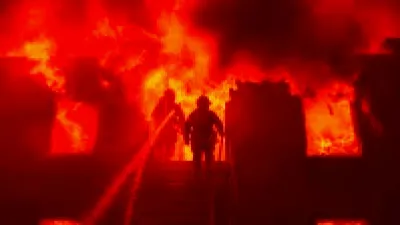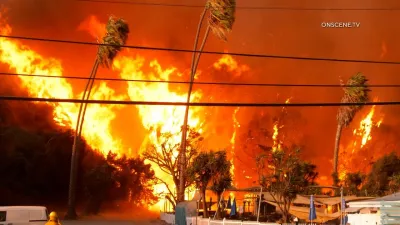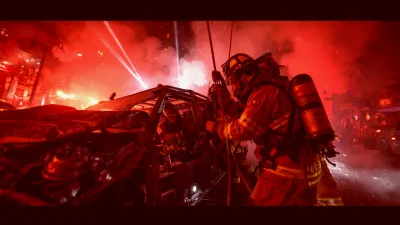

As the flames of wildfires rage across the United States, their devastating impact is felt not just in the charred landscapes but also in the staggering financial burdens they impose on communities and the nation as a whole. Each year, wildfires burn millions of acres, destroying homes, wildlife habitats, and livelihoods while costing taxpayers billions of dollars in firefighting efforts and recovery. The stories of those affected by these disasters resonate deeply, reminding us that behind every statistic lies a human tragedy.
Recent data highlights the escalating costs of wildfires, marking a worrying trend over the last few decades. With climate change intensifying, the frequency and severity of these fires have increased dramatically, leading to unprecedented financial repercussions. The last few years alone have seen some of the most expensive wildfire events recorded in U.S. history, drawing attention to the urgent need for comprehensive wildfire management and prevention strategies.
The Financial Fallout of Recent Wildfires
The 2020 wildfire season stands out as one of the most destructive, with the total cost surpassing $16 billion. California bore the brunt of this devastation, experiencing some of the largest fires in its history, including the August Complex Fire, which alone burned over a million acres. As firefighters battled the blazes, communities grappled with evacuation orders, loss of property, and uncertainty about the future. The emotional toll of such events is profound, as residents often lose not only their homes but also a sense of security and belonging.
Experts estimate that the 2020 wildfires caused approximately $12 billion in insured losses, a staggering figure that illustrates the economic ramifications of these natural disasters. The recovery process is long and arduous, often taking years for families and communities to rebuild. “Every ember that falls carries the weight of our memories and dreams,” said a local resident who lost their home in the inferno. This sentiment echoes the experiences of many who have been affected, underscoring the deep emotional scars left by these catastrophic events.
In 2021, the situation did not improve. The Dixie Fire, the second-largest wildfire in California history, raged for months, leading to damages exceeding $6 billion. The fire claimed thousands of structures, including homes, businesses, and historic landmarks. As flames consumed the landscape, they also devoured the fabric of communities, forcing families to seek refuge in temporary shelters while they grappled with the loss of their possessions and memories. The financial burden extends beyond immediate damages; it also includes lost income, increased insurance premiums, and the costs associated with psychological trauma.
The Role of Climate Change and Policy Response
Climate change undeniably plays a significant role in the increasing frequency and intensity of wildfires. Rising temperatures, prolonged droughts, and shifting precipitation patterns create a perfect storm for fire outbreaks. Areas once considered safe are now at risk, as the wildfire season extends beyond traditional boundaries. With experts warning that these patterns will likely continue, the need for proactive measures has never been more urgent.
In response to the growing threat, policymakers and fire management agencies are reevaluating their strategies. Efforts to increase funding for wildfire prevention, enhance forest management, and invest in community preparedness are gaining momentum. However, the challenge remains immense, as the resources required to combat such large-scale disasters are often limited. The push for comprehensive policies that address the underlying causes of wildfires, alongside immediate firefighting efforts, is crucial in mitigating future risks.
The importance of community resilience cannot be overstated. Programs that educate residents on fire safety, encourage defensible space around properties, and foster community cooperation in fire preparedness are essential components of a holistic approach to wildfire management. In many cases, it is the strength of community bonds that helps individuals navigate the aftermath of a wildfire, providing support and resources to those in need.
While the financial costs of wildfires are staggering, the emotional and psychological impacts are equally significant. Survivors often face a long road to recovery, grappling with feelings of loss, anxiety, and uncertainty. Mental health resources for those affected by wildfires are critical, yet often overlooked in the wake of immediate physical needs. As communities begin to rebuild, the importance of addressing mental health and emotional well-being must be prioritized.
As we look ahead, it is clear that wildfires will remain a pressing issue for the United States. The potential for catastrophic events looms large, reminding us that the fight against wildfires is not just a seasonal battle but a continuous struggle against a changing climate and evolving landscapes. The need for robust strategies that encompass prevention, response, and recovery is paramount to safeguarding lives and communities.
In conclusion, the economic and emotional toll of wildfires cannot be understated. Each fire leaves a lasting imprint on affected individuals and communities, highlighting the urgent need for concerted action in wildfire management. As the flames continue to threaten our landscapes, it is imperative that we come together as a society to develop sustainable solutions that protect both our environment and our people.