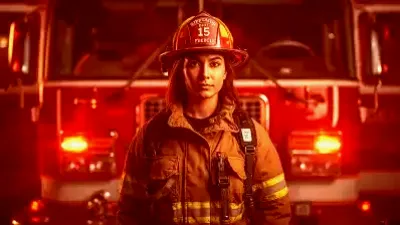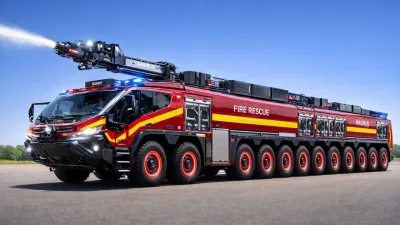

In a heartfelt plea that echoes the urgency of the moment, the President of the Los Angeles Fire Department Oversight Commission has brought attention to alarming gaps in the city’s fire safety measures. "We are completely handicapped," he stated, reflecting the collective anxiety surrounding the adequacy of firefighting resources and support systems. As wildfires and urban fires continue to threaten communities, the call for action has never been more critical.
The city of Los Angeles, known for its sprawling landscapes and diverse communities, faces unique challenges in fire management. With an increasing population and ongoing climate change, the risk of devastating fires has grown exponentially. The Oversight Commission, established to ensure accountability and effectiveness within the fire department, is now sounding the alarm. Their concerns are not just bureaucratic; they resonate deeply with residents who live in fear of the next catastrophic blaze.
Challenges Faced by the Fire Department
One of the most pressing issues highlighted by the commission is the chronic underfunding of the fire department. Despite the pressing need for more resources, budget allocations have remained stagnant, leaving firefighters grappling with outdated equipment and insufficient personnel. "Our firefighters are heroes, but they need the tools to succeed," the commission president emphasized, underscoring the disconnect between the city’s expectations and the reality faced by first responders.
Additionally, the commission pointed out that recruitment efforts have been hampered by a lack of competitive salaries and benefits. The difficulties in hiring new personnel lead to increased workloads for existing firefighters, potentially compromising their ability to respond effectively during emergencies. As the fire season intensifies, the strain on resources only magnifies, raising the stakes for both firefighters and the communities they serve.
The commission's concerns are further compounded by the ever-increasing risk of wildfires exacerbated by climate change. Last summer, the region witnessed some of the most intense fires in its history, prompting state and local officials to rethink their approach to fire management. The Oversight Commission argues that without immediate action to bolster resources and improve infrastructure, the city will be ill-equipped to handle future crises.
The Community's Response
The community's reaction to the commission's statements has been one of solidarity and concern. Local residents, many of whom were directly affected by recent fires, express a mix of frustration and fear. "We want to feel safe in our homes," one resident shared. "Knowing that our firefighters are struggling to do their jobs is disheartening." This sentiment encapsulates a broader anxiety that has taken root in neighborhoods across Los Angeles.
Community forums have emerged as platforms for residents to voice their fears and demand accountability from city officials. These gatherings have sparked discussions on fire safety education, emergency preparedness, and the need for improved communication between the fire department and the public. Many attendees have called for transparency from city leaders about the allocation of resources and the safety measures in place to protect their homes.
Moreover, the role of local organizations and advocacy groups has become increasingly important as they rally support for the fire department and push for necessary reforms. Grassroots movements have started to form, amplifying the voices of residents and firefighters alike, advocating for a comprehensive review of fire safety policies and funding structures. "Together, we can make a difference," one community leader stated, highlighting the power of collective action in addressing these urgent concerns.
The emotional toll of living in a fire-prone area cannot be understated. Families recount the trauma of evacuating their homes, often with mere minutes to spare. Children and elderly individuals are particularly vulnerable, and the fear of losing everything weighs heavily on their minds. The community's resilience shines through, but the need for systemic change remains paramount.
The Path Forward
As the fire department grapples with these challenges, the Oversight Commission is advocating for a multifaceted approach to improving fire safety. This includes not only increasing funding but also investing in advanced training programs for firefighters to ensure they are prepared for the evolving nature of fires. "Training is key," the commission president noted. "We need our firefighters to be equipped with the latest knowledge and skills to face modern firefighting challenges." This proactive stance could serve as a model for other cities grappling with similar issues.
Furthermore, the commission emphasizes the importance of community engagement in fire safety initiatives. Public education campaigns aimed at informing residents about fire prevention and emergency preparedness can significantly mitigate risks. By fostering a culture of safety and readiness, the community can become an integral part of the solution, rather than passive bystanders in the face of danger.
Despite the daunting challenges ahead, there is a palpable sense of hope among both firefighters and residents. The call for action from the Oversight Commission has sparked a renewed commitment to fire safety, urging city leaders to prioritize the well-being of their communities. "We owe it to our firefighters and our neighbors to create a safer environment," the commission president concluded, a sentiment that resonates deeply in the hearts of those who call Los Angeles home.
As the fire season approaches, the urgency for reform is clear. The Oversight Commission's advocacy is not just about resources; it is about the safety and security of every resident in Los Angeles. The journey toward a more resilient fire department may be fraught with challenges, but it is a path that must be taken for the safety of all. Together, the community and its leaders must forge a new future where fire safety is prioritized and where no one feels the anguish of being 'handicapped' in the face of disaster.