
The Critical Role of Firefighters in Managing Hazardous Fuel Fires
Understanding the Challenge of Large-Scale Fires
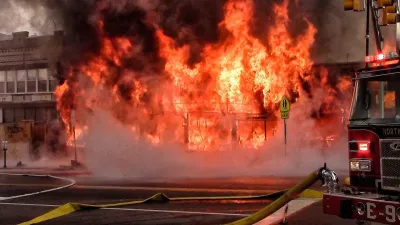
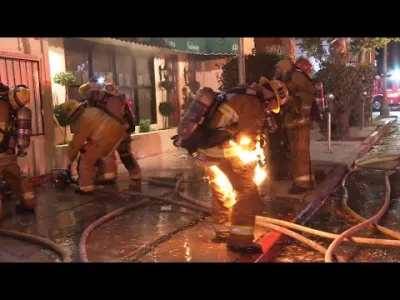
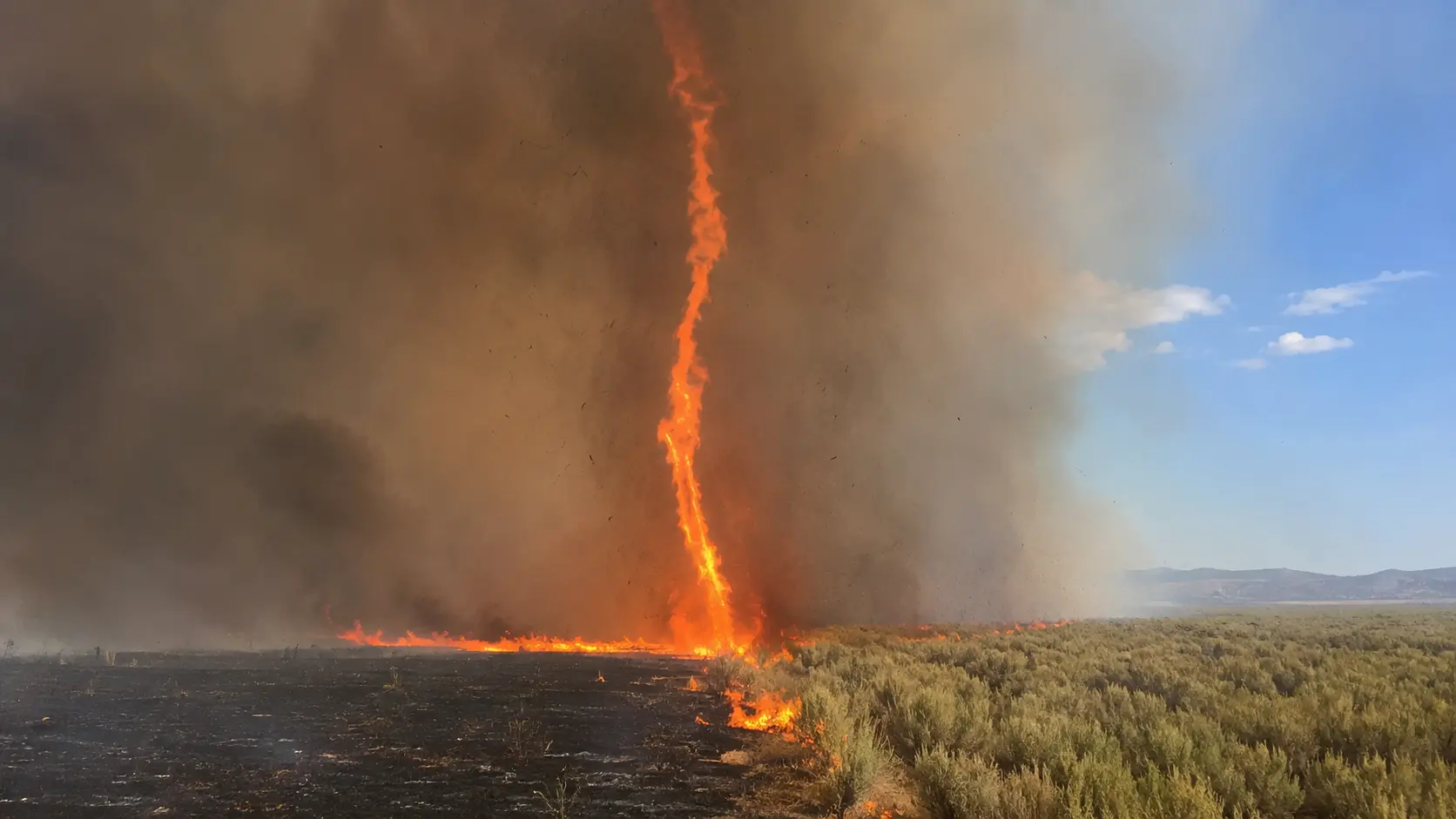
This article explores a significant fire incident involving multiple fuel barrels, showcasing the challenges faced by firefighters in managing such dangerous situations. The fire's composition consisted of highly flammable materials, necessitating that firefighters don full protective gear as they approached the flames to extinguish them. The impressive scale and perilous nature of the fire emphasize the arduous tasks that firefighters undertake regularly. Such incidents highlight the critical importance of the firefighting profession in safeguarding lives and property.
Techniques and Equipment in Fire Suppression
The operation of extinguishing fires involving hazardous fuels underscores the importance of effective management, specialized equipment, and teamwork. Firefighters employ advanced techniques to prevent the spread of flames and minimize environmental impact. The quality of firefighting equipment, along with the training level of firefighters, is vital for success in these operations. Water, foam, and other firefighting agents play a crucial role in controlling the fire. Firefighting is not only a profession that requires bravery but also one that demands technical knowledge and strategic thinking.
Safety Protocols and Environmental Responsibility
During such incidents, strict adherence to safety protocols is essential to protect personnel from intense heat and toxic gases. Maintaining control over the situation at all times is of utmost importance. Firefighters are responsible not only for extinguishing fires but also for safeguarding the environment. This incident serves as an educational example of how large fuel fires in industrial or storage areas can be effectively managed, providing valuable insights into fire safety and emergency management.
The Importance of Preparedness and Continuous Training
This demonstration highlights the critical role of preparedness, appropriate equipment, and coordinated response in firefighting operations involving flammable liquids. Firefighting extends beyond merely extinguishing fires; it requires ongoing training and preparation to ensure the safety of the community. For those interested in learning more about fire safety and gaining a deeper understanding of this vital profession, it is essential to seek out resources and information on the subject.

Comments 0
No comments yet. Be the first to share your thoughts on this video!
Leave a Comment