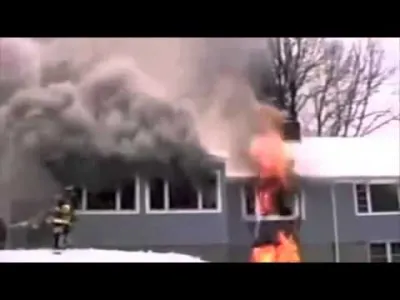

The tragic fire incident in Fall River has ignited a passionate debate about the critical state of firefighter staffing and its implications for public safety. As flames engulfed a structure, the community watched in horror as emergency responders raced against time, but the grim reality of limited personnel may have contributed to the devastating outcome. The fire, which claimed lives and left a community in mourning, underscores the urgent need to address staffing shortages in fire departments across the nation.
The aftermath of the Fall River fire has left many questioning whether more lives could have been saved had there been adequate staffing. Firefighters, who are often viewed as the guardians of safety, found themselves stretched thin, battling not only the flames but the constraints imposed by insufficient manpower. “We are trained to save lives, but when we can’t get to those in need quickly enough, it breaks us,” a firefighter lamented, encapsulating the emotional toll that such incidents can inflict on those sworn to protect their communities.
Staffing Shortages: A Growing Concern
The issue of inadequate staffing is not an isolated occurrence but rather a systemic challenge faced by many fire departments. In Fall River, the local union has vocalized concerns that the department's staffing levels were dangerously low at the time of the fire. This has sparked discussions about the broader implications of understaffing, which can delay response times and hinder firefighting efforts, ultimately putting lives at risk.
Firefighter unions across the country have been advocating for increased funding and resources to address these staffing shortages. The Fall River incident serves as a stark reminder of the consequences that can arise when fire departments are unable to operate at full capacity. Community members are expressing their frustration, questioning why more is not being done to ensure that first responders have the resources they need to do their jobs effectively.
In light of recent events, many fire officials and union representatives are calling for a reevaluation of funding priorities in local budgets. They argue that investing in staffing not only enhances public safety but also boosts the morale and mental well-being of firefighters who often face the emotional weight of such tragedies. The lack of adequate staffing can lead to burnout and reduced job satisfaction, which can further exacerbate the existing shortages as seasoned professionals may leave the field entirely.
The Impact of Understaffed Fire Departments
The ramifications of under-resourced fire departments extend beyond the immediate dangers posed to communities during emergencies. Public trust in emergency services can erode when residents feel that their safety is compromised due to insufficient staffing. In Fall River, the fire has reignited discussions about community expectations and the reality of what firefighters can deliver under strained conditions.
Moreover, the impact of understaffing is not confined to urban areas. Many rural fire departments face similar challenges, often reliant on volunteer firefighters who may not always be readily available during peak emergency times. This disparity raises critical questions about the adequacy of fire response capabilities and the necessary measures to ensure that all communities receive the protection they deserve.
As the Fall River community mourns the lives lost in the recent fire, the conversation surrounding fire department staffing levels takes on a new urgency. Advocates argue that the time for action is now; the safety of residents should never be compromised due to budget cuts or lack of resources. The emotional weight of losing a loved one in a fire is profound, and the community is calling for accountability and change to prevent such tragedies from occurring in the future.
In response to the outcry, local officials are beginning to take notice. There are calls for investigations into staffing practices and a thorough review of budget allocations. Stakeholders are emphasizing the importance of prioritizing firefighter staffing as an essential component of public safety. They argue that a well-staffed fire department is not merely a luxury, but a necessity in safeguarding lives and property.
As the investigation into the Fall River fire continues, the community awaits answers and assurances that steps will be taken to prevent similar tragedies in the future. The emotional scars left by the fire will take time to heal, but the hope for a more robust emergency response system is a step toward healing and rebuilding trust. The voices of the community, firefighters, and advocates must unite in a concerted effort to push for the resources and support necessary to ensure that no community faces the horrors of inadequate fire response.
In the wake of this tragedy, one thing remains clear: the community's call for change cannot be ignored. The memory of those lost in the Fall River fire serves as a poignant reminder that the stakes are high, and the need for action is urgent. As the sun rises on a new day, the collective hope is that the lessons learned from this heartbreaking incident will lead to transformative changes in fire department staffing policies, ensuring that firefighters are equipped to protect lives when it matters most.