Fireground Comms, Mayday & RIC Pillar – LUNAR, CAN Reports, PAR, and Survival Training Framework
Last updated:
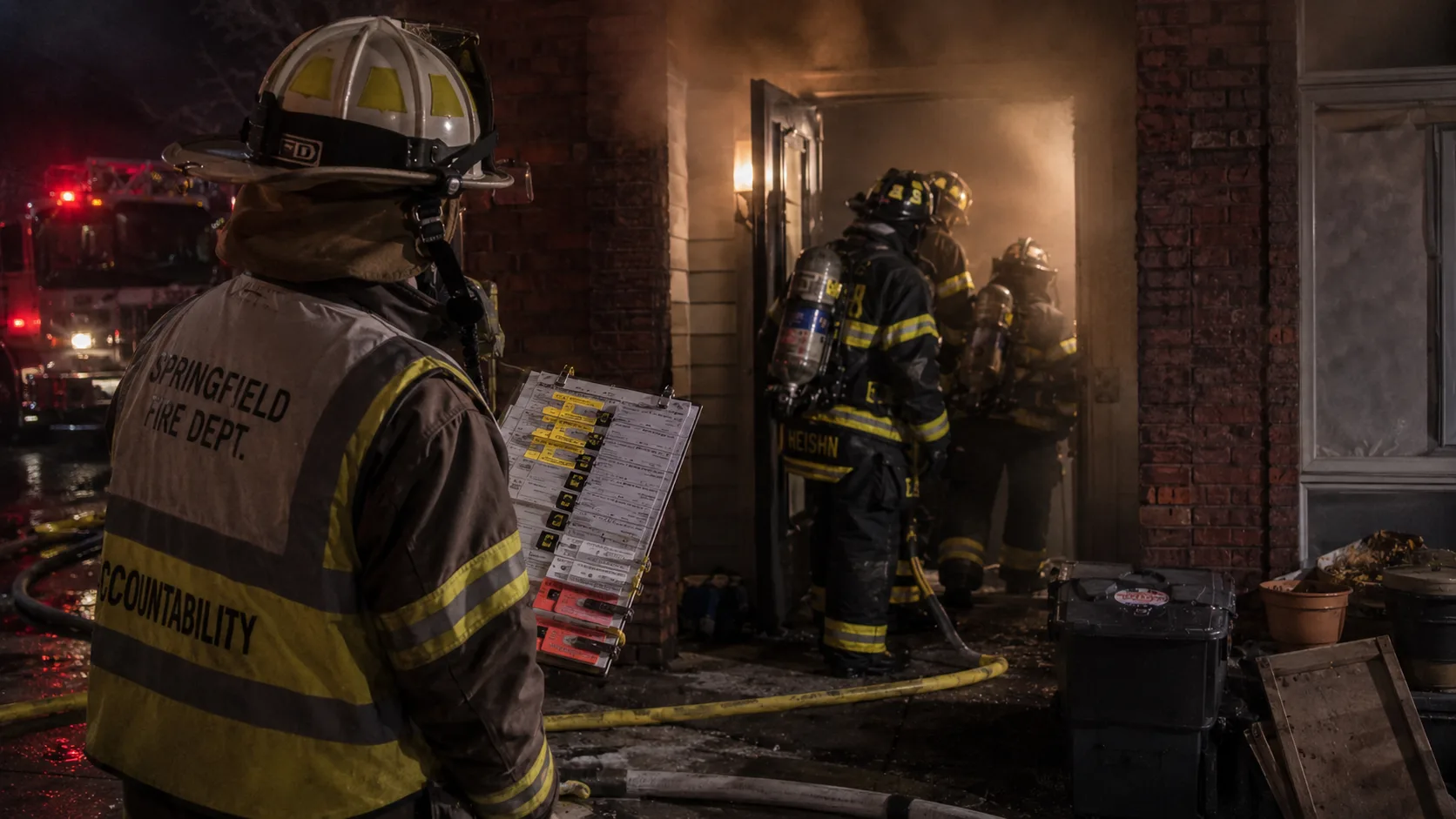
Fireground communication is a survival skill. This pillar is designed to create repeatable performance under stress—short messages, consistent formats, and a clean workflow when everything goes wrong. Use your department SOP/SOG; this is a training-first guide.
Jump to:Tools · Core principles · Message formats · Mayday workflow · RIC workflow · PAR discipline · Training framework · Checklists
Tools (Use in Training)
🫁 SCBA Air Time Calculator
Use for training discussions about air management and trigger points.
Cluster guide (already live):Mayday LUNAR Generator Guide
Core Principles (Why Comms Fail)
Most fireground comms failures are predictable:
- Too long: stress creates rambling and repeats; the actionable parts get buried.
- Missing location: the one thing command and RIC need first is often absent.
- No structure: crews do not share the same “order of information,” so radio time is wasted.
- Channel chaos: people step on each other because there’s no discipline or priority rules.
Message Formats That Scale
Choose one format per message type and drill it until it’s automatic. Common, high-utility formats:
1) CAN / UCAN (Company-to-Command)
- C – Conditions: what you see (smoke/fire/heat/structural/occupancy).
- A – Actions: what you’re doing (searching, stretching, venting, forcing entry).
- N – Needs: what you need now (line, ladder, PPV, TIC, additional company).
Some departments use UCAN (Unit + CAN) or other frameworks. The key is: keep it short and prioritized.
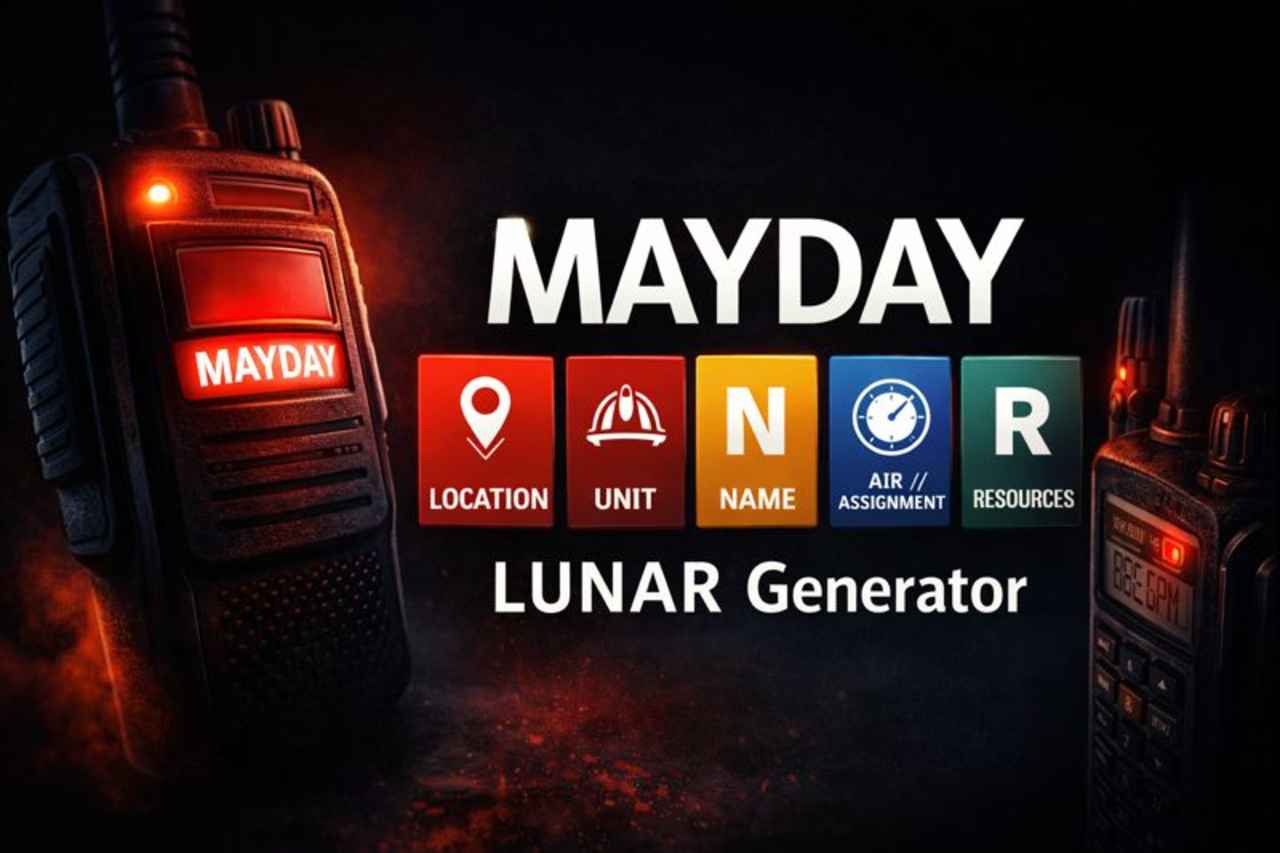
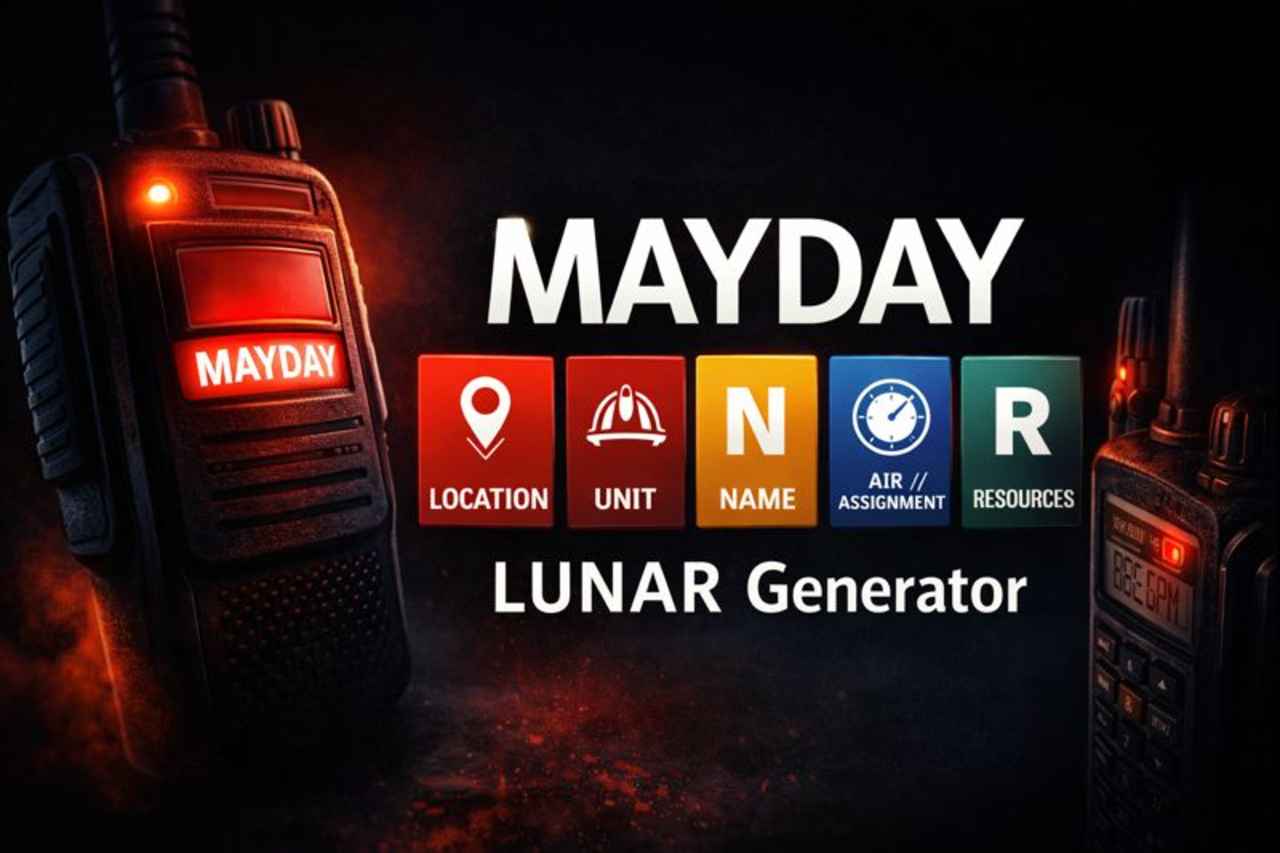
2) LUNAR (Mayday)
LUNAR is built for Mayday because it forces the essentials first. A simple template:
3) Location Language (Make It Teachable)
Train location in the same consistent building language every time:
- Level: basement / first / second / attic
- Side: Alpha/Bravo/Charlie/Delta (or your equivalent)
- Landmark: stairs, hallway, kitchen, heavy fire room, exterior door, hose line reference
Mayday Workflow (Simple + Repeatable)
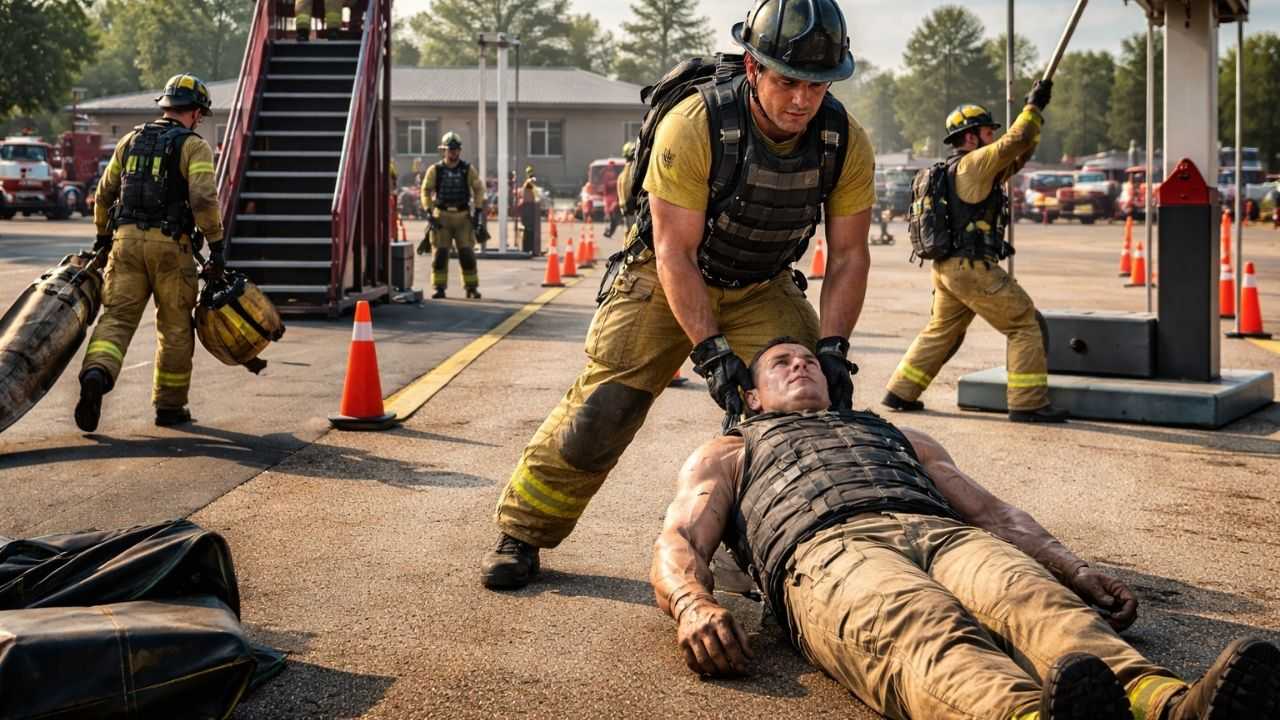
Mayday success is largely about speed and clarity. Your workflow should be boring—because boring means it’s practiced.
- 1) Declare early: don’t wait until air is critical. Early Mayday gives options.
- 2) Give location first: even an imperfect location is better than none.
- 3) Use LUNAR structure: short + complete beats long + emotional.
- 4) Then listen: after one clean message, stop transmitting unless asked.
- 5) Conserve air and orient: protect the basics while help is moving.
For drill reps and scenario building, use the tool + guide together:
Open Mayday LUNAR GeneratorRead the Guide
RIC Workflow (What Command Needs From the Radio)
RIC operations are faster when radio traffic is structured. At minimum, command/operations needs:
- Exact problem type: lost / trapped / entangled / injured / collapse
- Best location: floor + side + landmark + last-known reference
- Air status: approximate is better than nothing
- Access info: entry point, stairwell, hose line, wall orientation, etc.
PAR Discipline (How PAR Becomes Useful)
PAR is only useful if it’s consistent. Train the same rules each time:
- PAR is headcount + status: “PAR 3, advancing line to second floor,” not just a number.
- PAR triggers: major tactical shift, collapse indicators, Mayday, loss of water, sudden fire behavior change.
- Keep it short: count + location + assignment; nothing else.
Training Framework (Micro-drills + Quarterly Scenarios)
The goal is frequency and consistency. Suggested approach:
Monthly: 10–15 minute micro-drill
- 5 reps of CAN report (Conditions/Actions/Needs)
- 5 reps of LUNAR Mayday (random scenario prompts)
- 2 reps of PAR response (with assignment + location)
Quarterly: scenario evolution
- Add movement (crawl, stairs), low visibility, and “task loading” (forcing/searching)
- Force a decision: “call Mayday now” vs “self-rescue” vs “change route”
- Grade only two things: location quality + message structure
Quick Checklists (Print These)
Before Entry (Comms Hygiene)
- Radio check: correct channel, volume, mic placement, backup plan.
- Talk path: who talks to command (officer vs firefighter) per SOP.
- Location language: agree on sides/levels/entry point naming.
Mayday (Minimum Viable Message)
- Declare: “Mayday” x3
- Location first: level + side + landmark
- LUNAR: unit, name, air/assignment, resources needed
- Then listen: one clean transmission, wait for direction
After-Action Review (Make It Stick)
- Was location usable? If not, what would have made it usable?
- Was structure kept? Did anyone ramble or repeat?
- Did the crew activate early? If late, why?

Comments 0
No comments yet. Be the first to share your thoughts!
Leave a Comment