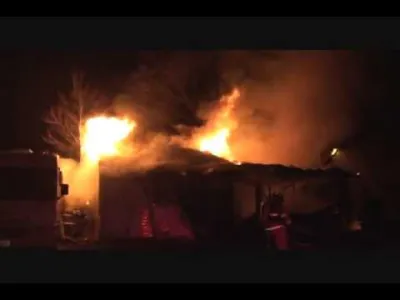

As the smoke clears from the devastating wildfires that swept through Los Angeles, the true cost of the disaster is becoming painfully clear—not just in charred landscapes and displaced families, but in the staggering economic toll borne by the region. The wildfires, which raged across thousands of acres, have left a profound impact on local businesses, housing markets, and public infrastructure, revealing vulnerabilities that extend far beyond the immediate destruction.
While the flickering flames may have been extinguished, the economic repercussions will continue to ripple through Southern California’s economy for years to come. From lost revenue and damaged properties to the strain on emergency services and the long road to recovery, the wildfire crisis has exposed critical challenges in disaster preparedness and economic resilience.
The Financial Aftershock of the Wildfires
In the wake of the fires, local authorities and economic analysts have begun to quantify the financial fallout, which already runs into billions of dollars. Entire neighborhoods were reduced to ashes, forcing thousands to evacuate and leaving many without homes or livelihoods. Retail centers and small businesses, the backbone of the community, have suffered extensive damage or closure, disrupting daily life and economic activity.
The immediate economic losses are compounded by the longer-term costs associated with rebuilding and recovery. Insurance claims are expected to surge, placing pressure on the insurance market and potentially driving up premiums. Additionally, the disruption of supply chains and workforce displacement threatens to slow economic growth in the region, impacting sectors far beyond those directly affected by the fires.
One local business owner, who lost her storefront to the flames, captured the emotional toll succinctly: “It’s not just the building we lost—it’s our community, our memories, and our future.” Her words resonate deeply, highlighting how the economic impact is inseparable from the human cost of the disaster.
Impact on Housing and Real Estate Markets
The wildfires have left an indelible mark on the housing market, with thousands of residences destroyed or severely damaged. This sudden loss of housing stock has intensified an already critical shortage in Los Angeles, driving up rental prices and home values in unaffected areas. For many residents, particularly those from lower-income backgrounds, the fire represents not only the loss of shelter but also a devastating blow to financial security.
Real estate experts warn that the disaster may reshape the housing landscape for years, as rebuilding efforts face bureaucratic hurdles and heightened safety regulations. The cost of reconstruction, coupled with increased insurance requirements, threatens to make affordable housing even scarcer. Moreover, concerns about wildfire risk could deter potential buyers and investors, further complicating recovery efforts.
In neighborhoods recently razed, the emotional scars run deep. Families who once called those streets home are now grappling with uncertainty and displacement, underscoring the profound social impact intertwined with the economic consequences.
Strain on Public Services and Infrastructure
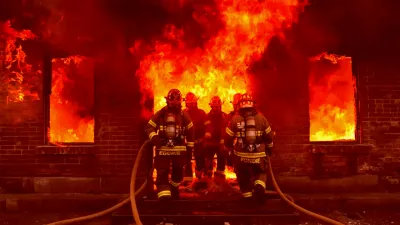
Beyond private losses, the wildfires have placed immense strain on public services and infrastructure. Firefighting efforts themselves have cost millions in resources, personnel hours, and equipment wear, stretching emergency response capabilities to their limits. Public utilities—including power, water, and transportation networks—have suffered damage or disruption, complicating recovery and daily life for residents.
Rebuilding critical infrastructure will require significant investment and coordination among government agencies, utilities, and the private sector. The fires have also reignited debates over land management policies, urban planning, and climate resilience strategies, highlighting the importance of proactive measures to mitigate future disasters.
Officials recognize that the path to recovery is not only about rebuilding what was lost but also about reshaping the region’s approach to disaster preparedness. “We must learn from this tragedy to build a safer, more resilient community,” a city planner emphasized, reflecting a determination shared across multiple sectors.
As Los Angeles confronts the multifaceted challenges wrought by the wildfires, the intertwined human and economic costs serve as a stark reminder of nature’s power and the urgency of preparedness. The road ahead will demand unwavering commitment, innovative solutions, and a collective resolve to restore not just structures, but the very fabric of the communities affected.