
Home Fire Safety Checklist: 25 Essential Tips Every Family Must Know
Home fires are more common than most people realize, and many of them are preventable with the right safety measures. Whether you live in a house, apartment, or condo, being proactive can save lives and drastically reduce your risk. This 25-step checklist breaks down everything your family needs to stay protected—from smoke alarms to escape planning, electrical safety, and hidden hazards you might overlook.
1. Install Smoke Alarms on Every Level
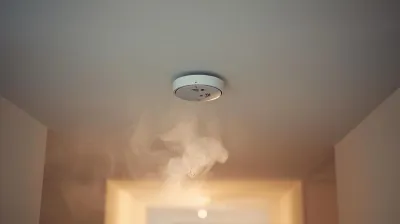
Install smoke alarms on every floor, especially outside bedrooms and inside sleeping areas. Test them monthly and replace batteries once a year.
2. Keep a Fire Extinguisher Accessible
Place at least one extinguisher in the kitchen and another near heat-producing appliances. Learn the PASS (Pull, Aim, Squeeze, Sweep) technique.
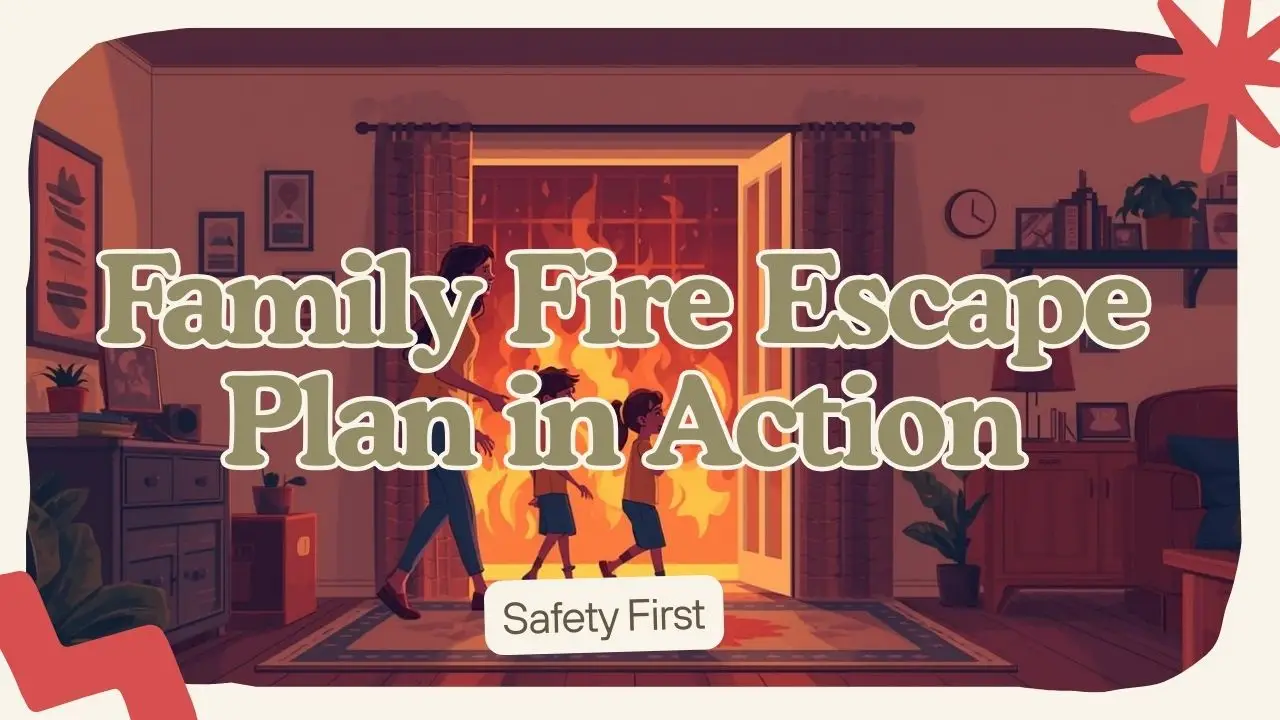
3. Create a Family Escape Plan
Every family member should know two ways out of every room. Practice the plan twice a year, and designate a meeting point outside.
4. Check Your Outlets
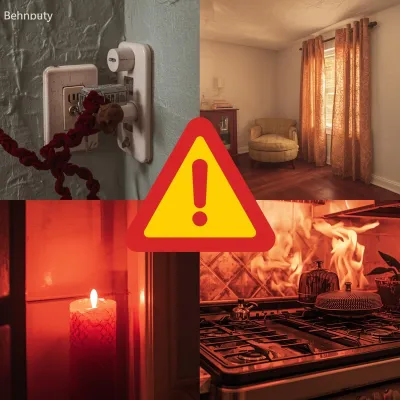
Overloaded outlets are a major cause of house fires. Use surge protectors and avoid running high-wattage appliances on the same circuit.
5. Inspect Electrical Cords
Damaged or frayed cords can spark fires. Replace them immediately and avoid running cords under carpets or rugs.
6. Maintain Heating Systems
Have furnaces, heaters, and chimneys inspected annually. Dust buildup and blockages can ignite when temperatures rise.
7. Keep Flammable Items Away From Heat Sources
Maintain three feet of clearance around heaters, stoves, ovens, and fireplaces.
8. Clean Your Dryer Vent
Lint buildup in dryer vents is one of the most overlooked home hazards. Clean vents and filters regularly.
9. Never Leave Cooking Unattended
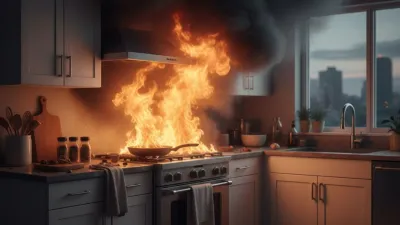
The kitchen is the #1 location of home fires. Stay close to the stove at all times and keep flammable items away from burners.
10. Store Chemicals Properly
Cleaners, paints, and solvents should be stored in cool, dry areas away from heat sources and ignition risks.
11. Use Candles Safely
Keep candles away from curtains and bedding. Use battery-operated candles for safer ambiance.
12. Install Carbon Monoxide Detectors
CO detectors are essential for any home with gas appliances, wood stoves, or attached garages.
13. Secure Fireplaces and Wood Stoves
Use a metal or heat-resistant screen to catch sparks and prevent embers from escaping.
14. Check Gas Lines
Have gas lines inspected regularly. The smell of gas means leave immediately and call emergency services.
15. Avoid Using Space Heaters Overnight
Space heaters should only be used while awake and alert. Keep them away from bedding and fabrics.
16. Keep Matches and Lighters Away From Kids
Store ignition sources out of children’s reach. Educate them early on fire safety.
17. Install Fire-Resistant Materials
Use fire-rated doors, insulation, and roofing materials whenever possible.
18. Close Doors at Night
Sleeping with closed doors slows the spread of smoke and fire, giving families more time to escape.
19. Test Window Exits
Windows should open easily and not be blocked by furniture. Escape ladders are recommended for second-floor bedrooms.
20. Label Shutoff Valves
Everyone in the home should know how to shut off gas, electricity, and water in an emergency.
21. Keep Hallways Clear
Obstacles slow escape. Keep hallways and stairways free of clutter.
22. Be Cautious With Extension Cords
Use them only as temporary solutions. Never daisy-chain extension cords.
23. Check Outdoor Fire Hazards
Remove dry leaves, clean gutters, and keep grills ten feet from structures.
24. Know Your Local Emergency Number
In the U.S. it’s 911, but label emergency numbers somewhere visible at home.
25. Revisit This Checklist Every 6 Months
Fire safety is continuous. Re-check alarms, wiring, appliances, and escape planning twice yearly.
Conclusion
Fire safety starts with preparation. By following this 25-item checklist, your family dramatically reduces fire risks and increases your chances of surviving a home emergency. Awareness + action = safety.


Comments 0
No comments yet. Be the first to share your thoughts!
Leave a Comment