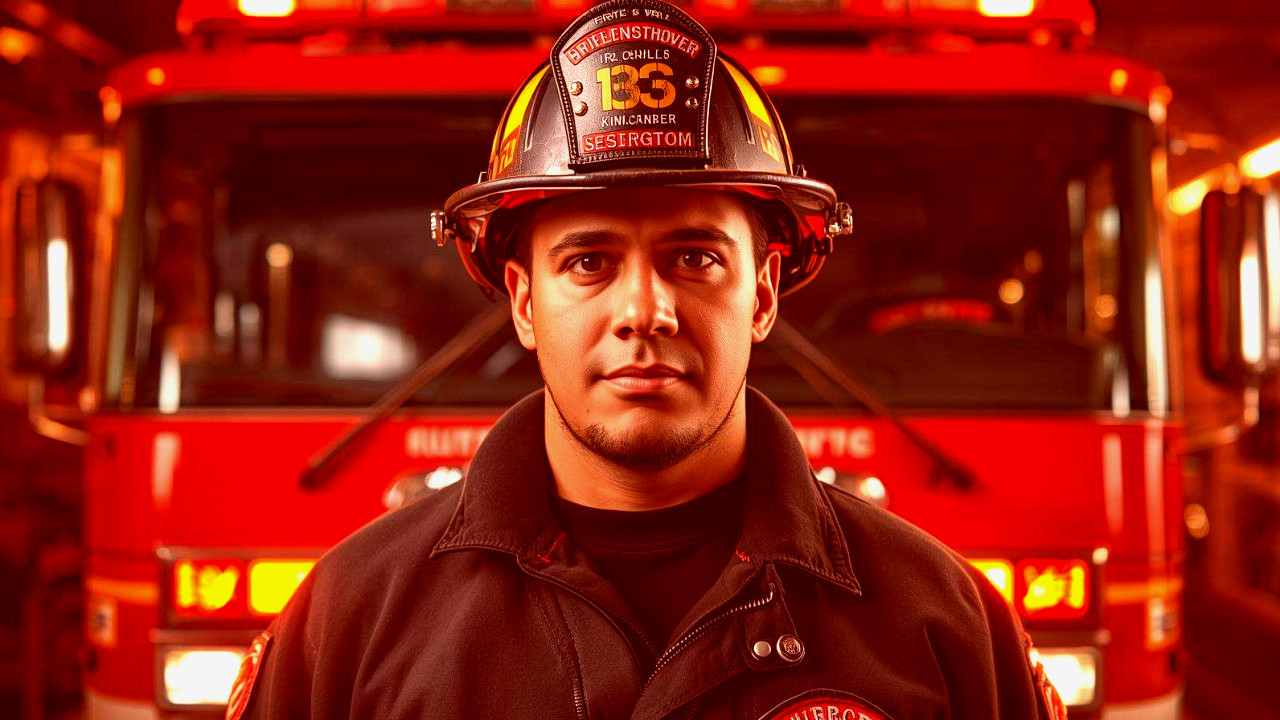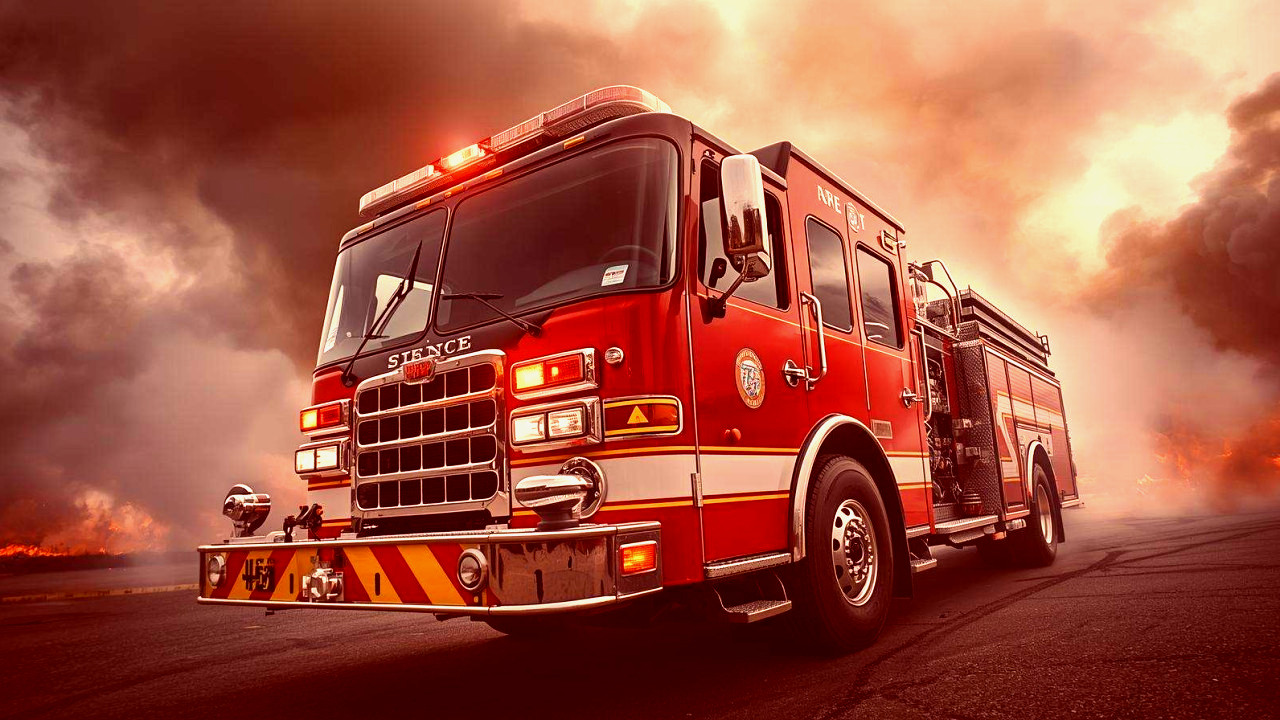

Across numerous American cities, the timely arrival of fire trucks during emergencies—a critical factor in saving lives and property—is increasingly compromised by persistent delays. These hold-ups, often linked to traffic congestion, aging equipment, and understaffed departments, are raising alarm bells among fire safety experts and city officials alike. As urban populations swell and climate-driven disasters intensify, the stakes could not be higher. The inability to deploy firefighting resources rapidly is leaving communities dangerously exposed to the devastating impacts of fires.
"Every second counts when a fire breaks out, and when the clock ticks away without help arriving, it’s more than just property at risk—it’s lives," remarked a veteran firefighter who has witnessed firsthand the consequences of delayed responses. This sobering reality underscores the urgent need to address the systemic issues hampering fire truck deployment in cities nationwide.
Urban Growth and Its Strain on Fire Response Times
One of the leading causes of delayed fire truck arrivals in US cities is the exponential growth of urban centers without corresponding upgrades to infrastructure and emergency services. Roads clogged with traffic during peak hours severely restrict fire trucks' ability to reach burning buildings swiftly. In cities like Los Angeles, New York, and Houston, fire engines frequently encounter gridlocks, forcing crews to navigate alternate, longer routes or wait for congested intersections to clear.
Moreover, many fire departments are grappling with the challenge of outdated apparatus. Fire trucks, some decades old, often break down or require extensive maintenance, further delaying response times. Budget constraints have left many municipalities unable to invest in modern fleets equipped with advanced navigation and communication technology that could help mitigate these delays.
Compounding these problems is the shortage of trained firefighters. Recruitment and retention struggles have left departments understaffed, meaning fewer personnel are available to respond promptly to emergencies. The combination of aging equipment, traffic snarls, and personnel deficits creates a perfect storm that threatens public safety.
The Rising Threat of Fires Amid Environmental Change
Environmental factors are intensifying the pressure on emergency services. Wildfires, once predominantly a concern for rural and forested areas, are now encroaching on suburban and urban fringes, increasing the frequency and scale of fire emergencies. Climate change has contributed to longer dry seasons, higher temperatures, and more volatile weather patterns, all of which fuel the rapid spread of fires.
In cities vulnerable to wildfires, fire trucks must respond not only to structure fires but also to fast-moving brush fires that can engulf neighborhoods within hours. The urgency of these situations demands flawless coordination and rapid deployment, yet many departments continue to battle logistical hurdles. Residents living in high-risk zones often face the terrifying reality of evacuation orders arriving late or fire suppression efforts lagging behind advancing flames.
Simultaneously, urban fires remain a persistent threat, particularly in older neighborhoods with aging electrical systems and dense housing. Delays in fire truck arrivals in these areas can lead to catastrophic outcomes, as fires can spread quickly through tightly packed buildings. The fatal combination of increased fire incidents and response delays paints a grim picture for many communities.
Strategies to Improve Fire Truck Deployment and Save Lives
Addressing these challenges requires a multi-faceted approach that involves investment, innovation, and community engagement. Some cities are pioneering efforts to reduce fire truck delays by upgrading their fleets with faster, more reliable vehicles equipped with GPS and traffic signal preemption systems, which allow emergency vehicles to change traffic lights in their favor.
Additionally, urban planners and emergency managers are collaborating to design road networks that accommodate emergency access more effectively. This includes creating dedicated lanes for fire trucks and reducing bottlenecks in high-traffic areas. Public awareness campaigns also encourage drivers to yield promptly to emergency vehicles, a simple yet crucial action that can shave precious minutes off response times.
On the staffing front, fire departments are intensifying recruitment drives and offering incentives to retain experienced firefighters. Training programs are being expanded to ensure personnel can operate new equipment efficiently and adapt quickly to evolving emergency scenarios. Cross-agency coordination among police, emergency medical services, and fire departments is also being strengthened to streamline response efforts.
Community involvement plays a critical role as well. Residents are being educated on fire prevention measures, evacuation protocols, and recognizing early signs of fire hazards. Empowering communities to act proactively reduces the burden on emergency services and can prevent some fires from escalating into full-blown disasters.
Despite these efforts, experts warn that the pace of urban development and climate change may outstrip improvements in emergency response unless substantial investments and policy reforms are made. The consequences of inaction are stark: every delay in fire truck arrival heightens the risk of loss, trauma, and irreversible damage.
"In the fight against fire, time is the most precious resource," the firefighter reflected. "When delays persist, it's not just a response issue—it’s a community’s heartbeat faltering in its moment of greatest need."
As cities confront these mounting challenges, the imperative to modernize fire services and prioritize rapid deployment has never been clearer. Protecting lives and property hinges on swift action, innovative solutions, and a collective commitment to ensure that when flames threaten, help arrives without delay.