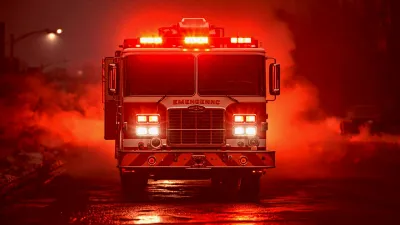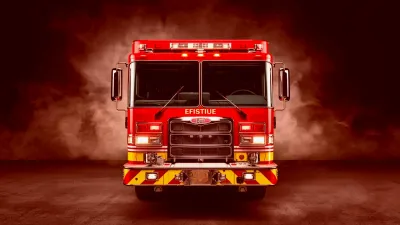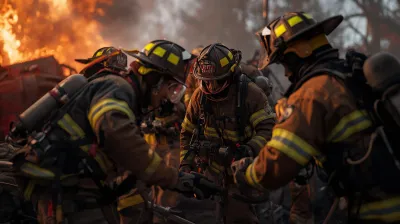

Across numerous American cities, fire departments are grappling with an alarming shortage of fire trucks and emergency vehicles, resulting in critical delays in response times. As urban populations swell and infrastructure ages, the gap between emergency demand and available firefighting resources is widening, leaving communities vulnerable to catastrophic fires and endangering lives and property. The consequences of these delays extend far beyond inconvenience; in the high-stakes world of fire emergencies, every second counts.
Firefighters on the front lines describe the situation as a ticking time bomb. "When your truck isn't there on time, it’s not just a delay—it’s a matter of life and death," one veteran firefighter shared. This poignant reality underscores a growing crisis that threatens the very fabric of public safety in cities across the nation.
Mounting Challenges in Urban Fire Response
Urban fire departments are caught in a relentless struggle to keep pace with rising emergency calls amid constrained budgets and aging fleets. Many fire trucks currently in operation have far exceeded their expected service lifespans, with some apparatuses more than two decades old. This aging equipment is prone to mechanical failures, which can sideline units unexpectedly and exacerbate response delays.
Compounding the problem, the rapid expansion of metropolitan areas has stretched fire services thin. As cities sprawl outward and population densities increase, fire departments face longer travel distances and more complex logistical challenges. Narrow streets, traffic congestion, and inadequate water supply infrastructure further impede firefighters' efforts to reach and control blazes swiftly.
Simultaneously, the rising frequency of large-scale fires—whether due to climate change, urban development in fire-prone areas, or increased instances of accidental and intentional fires—places unprecedented demands on available firefighting resources. Departments often find themselves responding to multiple incidents simultaneously, forcing difficult decisions about resource allocation and risking delayed intervention.
The Human Cost of Fire Truck Shortages
Behind every delayed fire response lies a story of communities left exposed and lives irreparably altered. When fire trucks aren’t available or arrive late, the flames have more time to engulf homes, businesses, and critical infrastructure. This can mean the difference between controlled containment and total devastation.
Families lose their homes and cherished belongings, sometimes with tragic loss of life. For firefighters, the frustration is palpable as they face the heartbreak of witnessing preventable destruction. "Every minute we wait, the fire grows stronger, and so does the pain for those affected," said a fire chief from a mid-sized city struggling with fleet shortages. The emotional toll on firefighters themselves is profound, as they carry the weight of communities’ safety on their shoulders under increasingly challenging circumstances.
Moreover, the strain on departments has mental health consequences for personnel. The constant pressure to perform with inadequate equipment and resources can lead to burnout, increased risk of injury, and diminished morale. These human factors can further erode the effectiveness of fire response efforts, creating a vicious cycle that endangers both responders and residents.
Strategies and Solutions to Bolster Firefighting Capacity
Addressing fire truck shortages demands a multi-faceted approach that combines funding, innovation, and community engagement. Many cities are advocating for increased municipal budgets dedicated to modernizing and expanding fire apparatus fleets. Investments in newer, more reliable vehicles equipped with advanced technology can improve reliability and response speed.
Innovations such as real-time GPS tracking, traffic signal preemption systems, and improved dispatch software help optimize routes and reduce travel times. Some departments are exploring the use of smaller, more maneuverable vehicles designed for congested urban environments, allowing quicker initial responses while larger trucks follow.
Collaborative strategies also play a crucial role. Mutual aid agreements between neighboring fire departments enable resource sharing during peak demand or large-scale emergencies, helping to mitigate the impact of localized shortages. Community programs focused on fire prevention, education, and early detection can reduce the incidence and severity of fires, lessening the burden on emergency services.
Public awareness campaigns are vital to securing political and financial support. Advocates stress that investing in fire safety infrastructure is not a discretionary expense but a necessary protection of human life and economic stability. “We must view fire trucks not as costly vehicles but as frontline defenders of our cities’ futures,” a fire safety expert emphasized.
Ultimately, the challenge of fire truck shortages is a call to action for city leaders, policymakers, and citizens alike. Ensuring that firefighters have the tools they need to respond rapidly and effectively is a shared responsibility with profound implications. The safety of millions depends on making this a top priority now and for the years ahead.