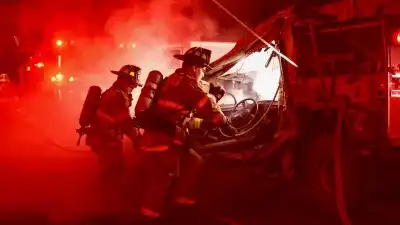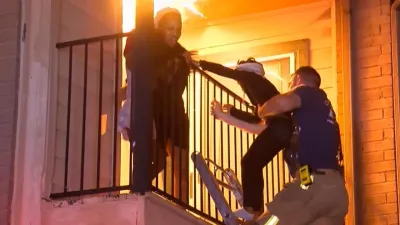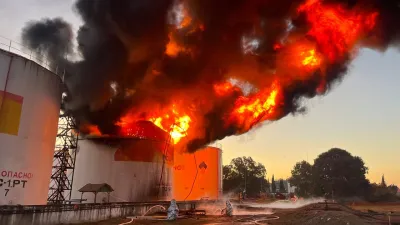

In the heart of Chicago, a routine call swiftly escalated into a harrowing rescue during a fierce blaze that engulfed a local furniture store. Firefighters arrived on scene to find thick smoke billowing from the building, but amid their courageous efforts, one firefighter became trapped and was forced to issue a Mayday call. The tense moments that followed underscored the peril firefighters face daily, as well as the unyielding spirit of camaraderie and resilience that defines the profession.
The incident unfolded late in the afternoon when emergency crews were dispatched to a report of heavy smoke and flames consuming the multi-story furniture store located in a busy commercial district. Despite rapid response, the fire spread quickly, fueled by the highly flammable materials inside the store. The structure’s layout and contents created dangerous conditions, making the interior operations extremely challenging. As firefighters advanced inside to conduct search and rescue and fire suppression, one member suddenly found himself disoriented and trapped by rapidly deteriorating conditions.
The Critical Mayday Call and Rescue Effort
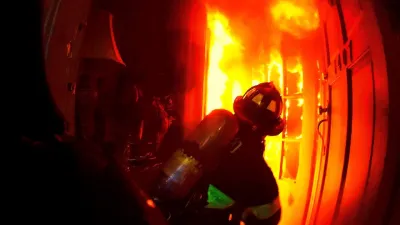
The trapped firefighter’s distress call, known in the service as a Mayday, immediately triggered a coordinated emergency response from his team and command crew. This urgent communication is a last resort, signaling that a firefighter is in imminent danger and requires immediate assistance. The incident commander rapidly shifted priorities, ordering a rescue team to locate and extract the endangered firefighter. The tension was palpable as firefighters navigated the dense smoke and intense heat, guided only by their training and the faint radio signals from their trapped colleague.
Rescue teams work under immense pressure, balancing the need for speed with the necessity of safety. In this case, the trapped firefighter’s position was initially uncertain, forcing rescuers to methodically search the building’s confusing maze of aisles and storage rooms. The thick smoke severely limited visibility, while the structural integrity of the building became increasingly compromised. Despite these obstacles, the rescue crew maintained communication and coordination, exemplifying the high level of professionalism and training that fire departments uphold.
Firefighting Challenges in Commercial Structure Fires
Furniture store fires present unique challenges for firefighters due to the abundance of combustible materials such as upholstery, foam, fabrics, and wood. These materials not only accelerate fire growth but also produce toxic smoke that can rapidly incapacitate those exposed. The layout of commercial stores, often filled with narrow aisles and stacked inventory, complicates navigation and fire suppression efforts. In Chicago, where older buildings frequently house such businesses, fire crews must also contend with aging electrical systems and potential structural weaknesses.
In this incident, the store’s contents acted as a catalyst, intensifying the blaze and creating pockets of extreme heat. Firefighters had to deploy advanced ventilation techniques to clear smoke and improve visibility. Thermal imaging cameras played a vital role in locating hotspots and guiding the rescue team to the trapped firefighter. The complexity of this fire demanded not only physical endurance but also sharp tactical decision-making, highlighting the multifaceted skills required in modern firefighting.
Heroism and Teamwork Under Pressure
The successful rescue of the trapped firefighter was a testament to the relentless dedication and teamwork that define the fire service. As one veteran firefighter put it, “In those critical moments, it’s not just about saving one life—it’s about knowing your brother or sister is out there, and you will move heaven and earth to bring them home.” This bond and commitment forged through shared risks and experiences empower firefighters to face situations that test the limits of human courage and endurance.
After being located, the firefighter was carefully extracted from the hazardous environment and swiftly transported to a nearby hospital for evaluation. Fortunately, thanks to the rapid response and effective rescue protocols, the firefighter’s injuries were not life-threatening. The incident has since been a powerful reminder of the unpredictable dangers firefighters confront and the vital importance of continuous training, preparation, and mutual support within fire departments.
Following the rescue, fire officials conducted a thorough investigation to determine the fire’s cause and assess the structural damage. Preliminary findings suggested that an electrical fault could have ignited the blaze, but the inquiry is ongoing. Meanwhile, the community rallied around the firefighters, expressing deep gratitude for their bravery and sacrifice. Local leaders praised the department’s handling of the emergency, emphasizing that such dedication is essential to safeguarding lives and property.
This dramatic event also sparked conversations about firefighter safety and the need for enhanced resources and technology. Fire chiefs have reiterated calls for increased funding to ensure personnel have access to state-of-the-art protective gear, communication tools, and training programs. The incident illustrated how even the most experienced firefighters can face life-threatening situations, underscoring the critical need for ongoing support and innovation in fire service operations.
As the city reflects on the harrowing furniture store fire and the remarkable rescue, the story resonates deeply within the firefighting community and beyond. It serves as a powerful testament to the courage, skill, and unbreakable spirit that firefighters embody every day. In a profession where each call could be the last, the unwavering commitment to protect and serve shines brightest amid the flames.