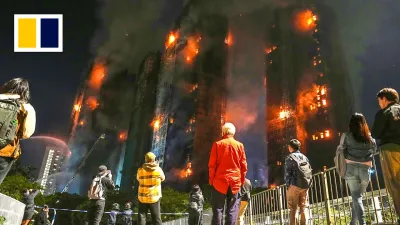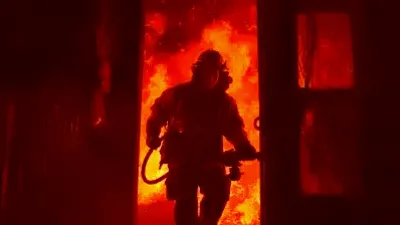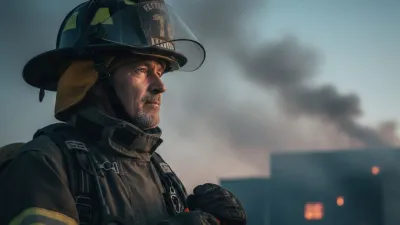

On the fateful day of January 7, 2023, the Los Angeles Fire Department (LAFD) faced an unprecedented crisis that has since sparked intense scrutiny over its leadership and operational effectiveness. A fire erupted in a densely populated area, quickly escalating and threatening lives, homes, and businesses. Eyewitnesses describe the scene as chaotic, with flames reaching skyward and thick smoke blanketing the streets. In the aftermath, it became painfully clear that the department's leadership may have faltered at a crucial moment.
The fire, which ignited in the early hours, spread rapidly, prompting a massive response from LAFD. Despite the department's well-known reputation for bravery and resilience, questions arose about the decisions made by top brass during the emergency. As firefighters battled the inferno, community members watched in despair, feeling as though their safety depended on a leadership team that was unprepared for the challenges at hand. "We were all terrified; it felt like we could lose everything in an instant," one resident recalled, reflecting the anxiety that permeated the air.
Leadership Failures Under Fire
In the days following the incident, a detailed review of the department's response began to uncover a series of missteps. It was revealed that crucial resources were not allocated effectively, and communication among various units faltered when it was needed most. The fire department, which prides itself on its strategic planning and training, appeared to be caught off guard, with firefighters facing obstacles that could have been mitigated with better leadership protocols in place.
Eyewitness accounts highlighted moments of confusion as first responders struggled to coordinate their efforts. Firefighters on the ground reported feeling overwhelmed by the dynamic nature of the blaze, which was exacerbated by the lack of clear directives from the command center. The chaos on the ground contrasted sharply with the calm, composed image the department aims to project during emergencies. Consequently, these failures have led to calls for a comprehensive review of the LAFD's operational strategies and training programs.
Community Response and Accountability
The community's response to the leadership failures has been one of both anger and disappointment. Residents who witnessed the fire expressed frustration over what they perceived as a breakdown in command. Many questioned how a city known for its robust emergency services could fail so dramatically in a time of crisis. "We trust them to protect us, and to see this happen was heartbreaking," said another resident, echoing the sentiments of many who felt vulnerable during the disaster.
In light of the incident, city officials have called for an independent investigation into the LAFD's practices. They are demanding accountability from the leadership to ensure that such a failure does not happen again. This incident has ignited a broader conversation about the effectiveness of fire department leadership in high-pressure situations and the importance of having a clear chain of command during emergencies.
As part of the inquiry, experts in emergency management have been brought in to evaluate the current training and response protocols. They emphasize the need for more rigorous simulations that mimic real-life scenarios. "Training should prepare firefighters not just for the fires they expect but also for the unpredictable nature of emergencies," one expert noted. This sentiment underscores the urgent need for reform within the LAFD.
Moreover, the emotional toll on the community cannot be overlooked. Families lost their homes, businesses were devastated, and lives were irrevocably changed. The fire not only consumed physical structures but also left scars on the psyche of those who experienced it. Support groups have begun to form, helping individuals cope with the aftermath of the disaster, while local organizations are rallying to provide assistance to those affected.
As the investigation unfolds, the LAFD leadership faces a critical moment in its history. The department must confront its shortcomings and work to rebuild the trust of the community it serves. The lessons learned from this tragedy could serve as a catalyst for positive change, transforming a moment of failure into an opportunity for growth and improvement.
The LAFD has begun to implement changes even before the investigation concludes. Leadership has prioritized reevaluating their emergency response framework and is actively seeking input from frontline firefighters to ensure that their experiences and insights shape future protocols. This collaborative approach aims to foster a culture of accountability and responsiveness within the department.
Looking Ahead: A Call for Change
As Los Angeles moves forward from this crisis, the vision for the future of the fire department must emphasize resilience and preparedness. The community's response has shown that they expect more from their first responders, and it is clear that the LAFD must rise to the occasion. Ongoing training, enhanced communication methods, and a focus on mental health support for both firefighters and the community are vital steps in this process.
Moreover, the leadership of the LAFD must engage in transparent communication with the public. Regular updates on the progress of the investigation and the steps being taken to address the identified issues will be crucial for rebuilding trust. By openly acknowledging their failures and committing to meaningful change, the LAFD can demonstrate its dedication to serving and protecting the people of Los Angeles.
As we reflect on the events of January 7, the hope is that this tragedy will serve as a turning point for the LAFD. The commitment to learning from past mistakes can pave the way for a more resilient fire department, better equipped to handle the challenges of the future. It is only through this commitment that the community can feel safe again, knowing that their firefighters are prepared to protect them in times of crisis.
The journey ahead is undoubtedly challenging, but with the right leadership and a renewed focus on community engagement, the Los Angeles Fire Department can emerge from this crisis stronger than ever.