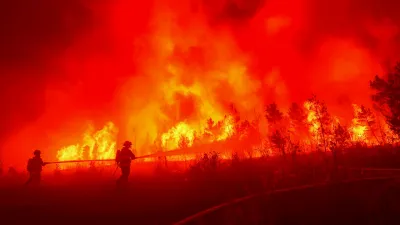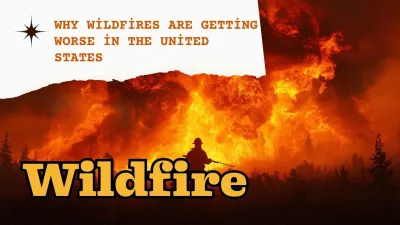

A massive wildfire raging near the Grand Canyon has surged to become the largest wildfire in the United States so far in 2025, devastating vast swaths of forest and threatening communities across northern Arizona. The blaze, which ignited weeks ago under extreme heat and dry conditions, has rapidly expanded into an uncontrollable inferno, forcing thousands to evacuate and unleashing a smoke pall that chokes the skies for miles.
Firefighters have been battling the flames around the clock, but relentless winds and parched landscapes have worked against containment efforts. The fire has consumed hundreds of thousands of acres, obliterating wildlife habitats and historic sites within the Grand Canyon National Park and its surrounding areas. Authorities warn that the situation remains critical as the dry season peaks, with no immediate reprieve in sight.
Unprecedented Scale and Impact of the Grand Canyon Fire
This wildfire has shattered records, now officially recognized as the largest wildfire in the nation this year. The scale of destruction is staggering, with the blaze covering an area larger than some major metropolitan cities. Satellite imagery shows a vast, fiery scar etched into the rugged terrain, while ground teams describe scenes of blackened trees and smoldering earth stretching as far as the eye can see.
The fire’s rapid growth was fueled by a combination of historic drought, increasing temperatures due to climate change, and an abundance of dry brush acting as tinder. Experts emphasize that such mega-fires are becoming more common in the American West, posing a dire challenge for firefighting agencies and communities alike. "This is not just a fire; it’s a wake-up call to the escalating threat we face from nature’s fury," a veteran fire chief said.
Communities near the Grand Canyon have been severely impacted, with mandatory evacuations uprooting thousands of residents and tourists. Local emergency shelters have been overwhelmed, and the economic toll is mounting as businesses close and tourism slows to a halt in the region. The cultural and environmental loss is also profound, with some indigenous heritage sites at risk of permanent damage.
Firefighting Efforts and Challenges on the Frontlines
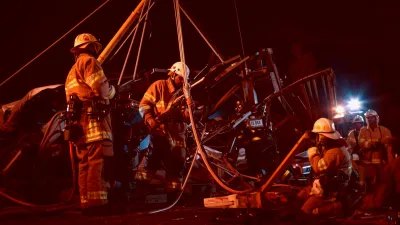
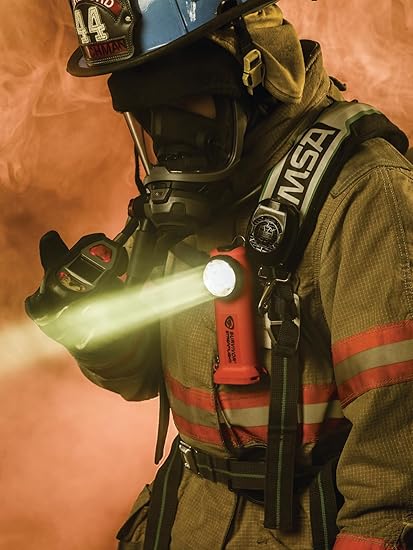
Fire crews from across the country have converged to tackle the blaze, deploying hundreds of firefighters, bulldozers, helicopters, and air tankers. These first responders face grueling conditions, working in rugged terrain with limited access while contending with unpredictable weather patterns that can change fire behavior in minutes. The threat of flare-ups remains high, forcing some crews to withdraw temporarily for safety.
Despite these challenges, the firefighting teams have made some progress in establishing containment lines around key areas. Nighttime operations, when cooler temperatures and higher humidity reduce fire activity, have been critical in slowing the fire’s advance. However, the overall containment percentage remains low, underscoring the fire’s ferocity and the complexity of the terrain.
Technology plays a vital role in the response. Advanced mapping, drones, and satellite tracking help commanders make real-time decisions, while communication systems coordinate the vast network of personnel and resources. Still, officials caution that nature’s unpredictability means full containment may take weeks or even months.
Long-Term Environmental and Community Recovery
As the flames eventually subside, the region will face a daunting recovery process. The ecological scars left by such a colossal fire will take years to heal. Forest regeneration will be slow, and the loss of vegetation increases the risk of soil erosion and flash flooding during seasonal rains. Wildlife displaced or killed by the fire will disrupt local ecosystems, further complicating restoration efforts.
Communities devastated by evacuations and property damage will need extensive support to rebuild. Infrastructure repairs, mental health services, and economic assistance will be vital to help residents recover from the trauma and losses inflicted by the disaster. Local leaders are already calling for increased funding and federal aid to address the multifaceted aftermath of the fire.
Experts also stress the importance of proactive measures to reduce wildfire risk in the future. This includes forest management techniques such as controlled burns, vegetation thinning, and community preparedness programs. "We must learn from this tragedy and invest in resilience, or we will face ever more frequent and destructive wildfires," said an environmental scientist involved in fire ecology research.
As the Grand Canyon wildfire continues to burn, it stands as a stark symbol of the growing threat wildfires pose across the globe. The resilience and dedication of firefighters and communities offer hope amid the destruction, but the scale of this disaster is a sobering reminder of the urgent need to address climate change and its devastating consequences.
"In the face of such overwhelming fire, our spirits cannot be scorched — we will rise from these ashes stronger and more united than ever," a local firefighter reflected, capturing the resolve that drives those battling this relentless blaze.