
Emergency Response to a Fuel Tanker Accident
The Incident Overview
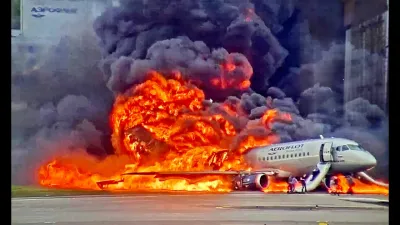
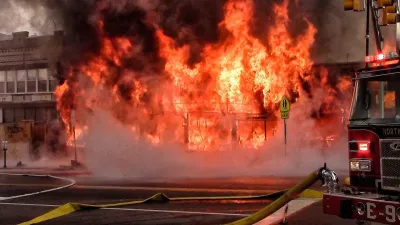
A catastrophic accident occurred when a fuel tanker collided with a gas station, resulting in a massive fire that presented significant challenges for emergency response teams. The coordinated effort required to bring the flames under control and prevent further explosions necessitated that both firefighting crews and other emergency personnel act swiftly and effectively. Such large-scale incidents highlight the critical importance of firefighting as a profession.
Firefighting Tactics and Safety Protocols
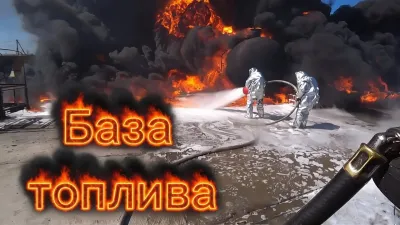
Firefighting teams promptly arrived at the scene and began implementing fire suppression tactics. They utilized specialized equipment and techniques to control the rapidly spreading flames. Throughout the firefighting process, strict adherence to safety protocols was observed, taking into account the characteristics of the flammable materials involved. Necessary precautions were taken to ensure the safety of both the public and emergency personnel at the scene. The firefighting teams worked diligently to halt the spread of the fire and bring the incident under control, effectively preventing further escalation.
The Importance of Training and Preparedness
This operation underscored the importance of training in handling hazardous materials and the need for rapid response skills. In addition to extinguishing the fire, the firefighting teams worked meticulously to ensure environmental safety and minimize structural damage. To mitigate the effects of the fire, measures were taken to secure surrounding areas and prevent potential additional hazards. Firefighting not only involves extinguishing fires but also encompasses the responsibility of protecting the environment and community safety. Continuous training for firefighters is essential for developing their professional skills and adapting to new technologies.
Community Awareness and Fire Safety Education
This incident once again highlighted the dangers associated with fuel transportation and storage while demonstrating the vital role that well-trained fire units play in effectively managing such emergencies. Firefighting is a critical service that not only extinguishes fires but also ensures the safety of communities. Fire safety education enhances firefighters' abilities to handle such situations, making them better prepared for emergencies. Following incidents like this, respect for the firefighting profession and the importance of its professionals become even more evident. Engaging with local fire departments to learn more about fire safety and raising awareness is a beneficial step for everyone. Remember, fire safety is not just the responsibility of firefighters; it is a collective responsibility, and being informed is crucial for everyone’s safety.

Comments 0
No comments yet. Be the first to share your thoughts on this video!
Leave a Comment