
“I’m trapped in the basement.” Those words still echo in my mind, a chilling reminder of how quickly a routine fire call can turn into a life-threatening emergency. As a seasoned firefighter, I had faced countless dangers, but nothing prepared me for the moment I became the victim. My personal mayday experience taught me invaluable lessons about survival, communication, and the human spirit under pressure—lessons I hope every firefighter takes to heart.
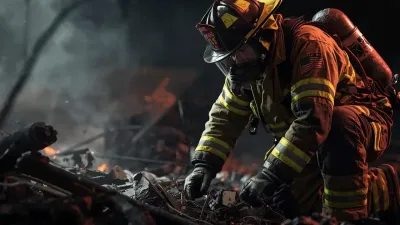
It was a seemingly ordinary residential fire in an older home with a basement. The crew and I had entered cautiously, aware of the potential hazards common in such structures. Visibility was low, smoke thick and acrid. As we moved deeper, the floor beneath me suddenly gave way, and I found myself trapped, disoriented, and struggling to breathe. The panic that surged was unlike anything I had experienced on the job before. Yet, amidst the fear, a steely resolve took hold. Survive. Find a way out. Call for help.
The Critical Moments of a Mayday
The mayday call is the firefighter’s last lifeline, a desperate plea for rescue that can mean the difference between life and death. When I realized I was trapped, I immediately radioed my position, repeating the distress signal with calm urgency. This clarity under pressure is crucial—confusion on the radio can delay rescue efforts and cost lives. I learned that a clear, concise mayday call is not just protocol, but a beacon for hope.
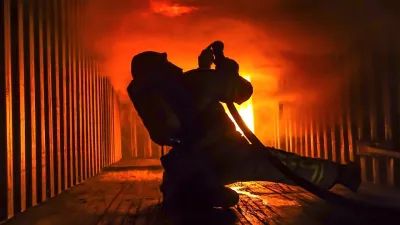
As I awaited rescue, every second stretched into an eternity. The heat was oppressive, the smoke thickening, and my air supply dwindling. I focused on controlling my breathing and conserving energy, tactics drilled into me during countless training sessions. But training alone cannot replicate the raw fear and isolation of being trapped in a burning building. It’s an experience that tests the very limits of mental and physical endurance.
Lessons in Communication and Teamwork
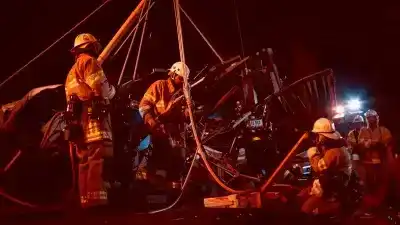
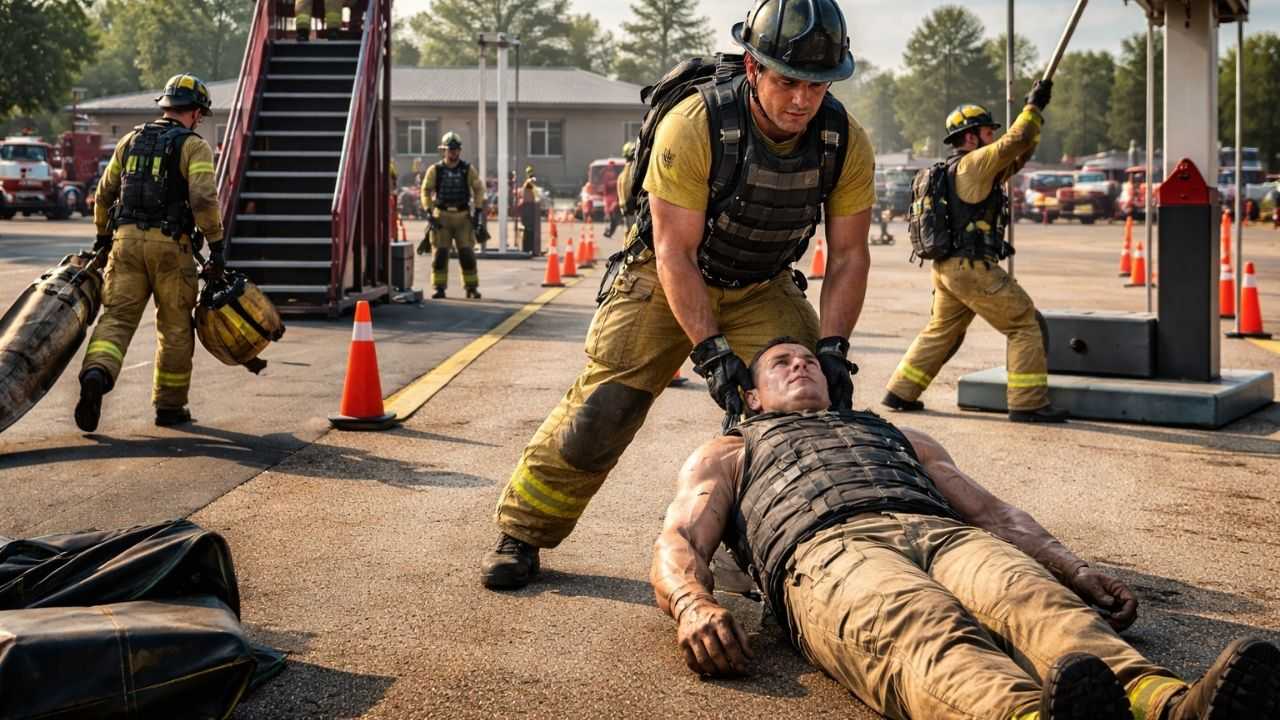
Behind every successful rescue is a team operating with precision and trust. My crew’s response was immediate and coordinated, demonstrating how vital teamwork is in crisis situations. Dispatch quickly mobilized additional resources, and the rapid intervention crew moved in with purpose and determination. Their training and readiness saved my life, proving once again that no firefighter faces the dangers of the job alone.
Communication during a mayday extends beyond the trapped firefighter and dispatch. It involves the entire incident command system, ensuring that everyone understands the situation and their role in the rescue. I witnessed firsthand how effective communication can overcome chaos, transforming fear into coordinated action. It’s a lesson every fire department must reinforce—constant communication saves lives.
The Emotional Aftermath and Moving Forward
Surviving a mayday situation leaves scars that aren’t always visible. The emotional impact lingers long after the smoke clears. I struggled with feelings of vulnerability and doubt, grappling with the reality of my own mortality. Yet, these feelings also sparked a deepened respect for the profession and a renewed commitment to firefighter safety. Sharing my story has become a mission to raise awareness and encourage open conversations about the mental toll of our work.
Firefighting is a brotherhood forged in adversity, and every member must be prepared to face the worst while supporting each other. My experience underscored the importance of mental health resources, peer support, and continuous training. It also reinforced that courage is not the absence of fear, but the strength to act despite it. “In those darkest moments, I discovered not just the limits of my endurance, but the boundless strength of the human spirit.”
As the fire service evolves, so must our approach to safety and survival. Personal mayday incidents like mine highlight the need for advanced technology, improved training, and a culture that prioritizes firefighter well-being. From thermal imaging cameras to enhanced communication devices, every tool counts. But above all, it is the knowledge gained from experience—and the willingness to share those hard-earned lessons—that truly protects those who run toward danger.
Looking back, I am grateful for the swift actions of my team and the support of my department. Their professionalism and dedication made the difference. My ordeal was a stark reminder that even the most routine calls carry risk, and preparation is our best defense. To every firefighter out there, remember: you are never alone in the fight, and asking for help is a sign of strength, not weakness.
In the end, surviving a mayday is about more than just escaping a fire; it’s about embracing a renewed purpose and carrying forward the lessons learned for the safety of all. The fire may have threatened to consume me, but it also ignited a fire within—one that fuels my commitment to protect, serve, and educate. May my story serve as a beacon to those who face the flames, reminding us all that no matter how dire the situation, hope and survival are always within reach.