
Last updated:
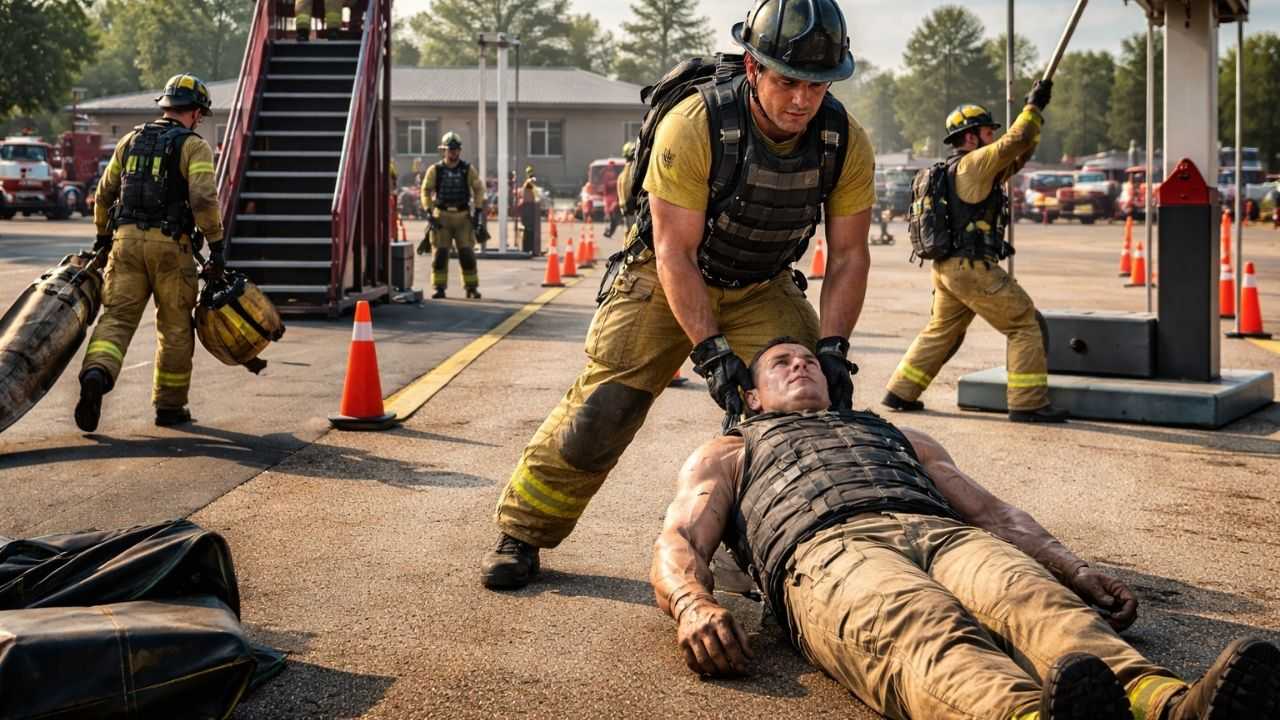
Most CPAT failures do not happen because a candidate is lazy. They happen because the candidate runs the test like a panic workout: too hot on the first events, sloppy in the transitions, then completely empty when the rescue drag or ceiling breach shows up. Pacing will not replace conditioning, but it can stop you from wasting the fitness you already have.
The CPAT Pacing Calculator is useful because it forces you to think in splits instead of vibes. You enter a target time, assign realistic event times, and see where the plan breaks. The real value is not the number on the screen. The real value is learning which event steals your time and what kind of training will actually fix it.
Open CPAT Pacing CalculatorFull CPAT Prep Guide
Test-day reminder: CPAT rules, orientation options, attire, warm-up limits, and retest policies can vary by administrator. Read the candidate packet from your actual test site before you build your final plan.
Think Like a Candidate, Not a Stopwatch
A perfect split chart looks nice. A passable split chart survives fatigue. That is the difference. CPAT is pass/fail, and the standard time limit is tight enough that a small mistake matters, but loose enough that most prepared candidates do not need to sprint. The goal is controlled urgency: move with purpose, avoid wasted steps, and keep your breathing from turning into a debt you cannot repay.
If your plan requires everything to go perfectly, it is not a plan. Gloves slip. Turns get wide. A prop feels heavier than it did in practice. You miss a rhythm on the ceiling pull. Good pacing leaves room for normal human messiness.
Use the Calculator to Find the Bottleneck
Many candidates make the same mistake: they train every event equally. That feels fair, but it is not always smart. If your stair climb is controlled and your hose drag is fine, spending the same amount of training time there may not move your final time much. If the dummy drag destroys you every time, that is where the plan should point.
Run a realistic practice session, enter your event times into the calculator, then ask a blunt question: where did the test start getting away from me? That is your bottleneck. It may be an event, but it may also be a transition pattern, grip fatigue, poor breathing, or starting too fast.
| Problem you notice | Likely cause | Training focus |
|---|---|---|
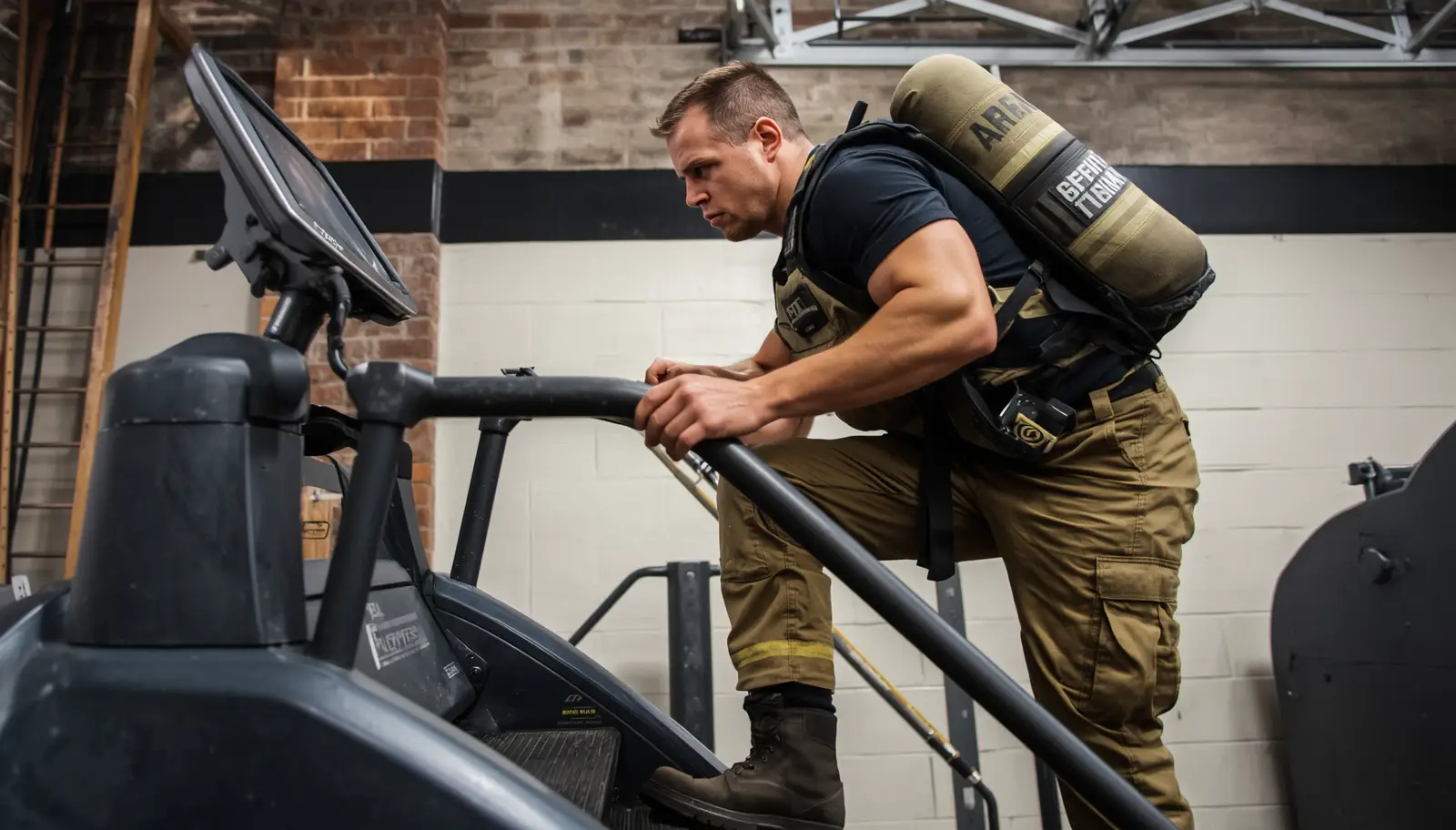
| You feel cooked after the stair climb | Opening pace too aggressive or poor aerobic base | Weighted step work, controlled breathing, longer Zone 2 conditioning |
| Grip fades late | Forearms are burning before the final events | Farmer carries, rope pulls, sled drags, towel-grip carries |
| Transitions are slow | You are recovering by standing still instead of moving cleanly | Walk-throughs, prop-to-prop practice, no wasted steps |
| Dummy drag breaks the run | Leg drive, posterior chain, or breathing under load is weak | Heavy sled pulls, sandbag drags, loaded carries, hill work |
| Ceiling breach feels chaotic | Shoulders and trunk fatigue after earlier events | Overhead endurance, core bracing, technique practice |
Do Not Win the First Two Minutes and Lose the Test
The stair climb and early events set the tone. If you attack them like a race start, your heart rate may spike before you have earned any real advantage. A candidate who saves ten seconds early but loses forty seconds later did not pace well. They just borrowed time at a bad interest rate.
Your first goal is to finish the early events feeling busy but not desperate. You should be breathing hard, but still able to make clean decisions: where to place your feet, when to turn, how to grip, and when to settle your breathing. Once your movement gets sloppy, the clock starts charging you for it.
Transitions Count More Than People Admit
Transitions are not official “events” in the way candidates talk about them, but they are part of the time story. A messy turn, a lazy walk, a glove adjustment, or a moment of standing still can quietly eat the buffer you thought you had. You do not need to sprint transitions. You need to make them boring and repeatable.
Practice moving from one task to the next with the same calm routine every time: finish the event, breathe once, turn cleanly, walk with intent, set your hands, start the next task. That rhythm matters when the vest feels heavier and your forearms are already complaining.
Build a Weekly Training Pattern
A good CPAT week usually has three kinds of work: general conditioning, event-specific strength, and one controlled practice run or circuit. The exact mix depends on your starting point. A strong gym athlete may need more aerobic work and transitions. A runner may need more loaded carries, drags, and grip work. A candidate who has not trained under load needs patience and progression.
- Conditioning day: stepmill, incline walking, sled work, or loaded circuits at a pace you can control.
- Strength day: legs, hips, back, grip, and trunk. Think carries, drags, pulls, hinges, lunges, and rows.
- Skill day: practice event rhythm, turns, hand placement, transitions, and breathing under the vest.
- Simulation day: not always all-out. Sometimes the point is learning pace, not proving toughness.
Common Pacing Mistakes
The first mistake is treating every practice run like the real test. That burns people out and teaches panic. The second mistake is never doing realistic full-sequence work, which leaves the candidate surprised by how fatigue stacks. The third mistake is changing the plan every week. Give a plan enough time to show you what is actually improving.
Another common mistake is ignoring recovery. If your legs are trashed every session, you are not getting fitter; you are just rehearsing exhaustion. CPAT prep should make you more repeatable. You want to show up on test day fresh enough to use the fitness you built.
Simple Test-Week Plan
In the final week, avoid proving anything new. Do one light technical session, one short conditioning session, and then back off. Check your shoes, pants, gloves, hydration, food timing, travel route, and required paperwork. The night before the test is not the time to discover that your gloves bunch up or your breakfast sits badly during loaded work.
On test day, your pacing cue should be simple: calm first, smooth second, hard when needed. The clock matters, but panic is not speed. A candidate who moves cleanly, protects their breathing, and knows their bottleneck has a much better shot than a candidate who just tries to “go harder” from the start.






Comments 0
No comments yet. Be the first to share your thoughts!
Leave a Comment