
In a tragic incident in New York City, a gas explosion led to a 4-alarm fire in an apartment building, claiming at least one life. While the exact date of the incident remains unclear, the scale of the fire and the implications for emergency response are significant. This situation serves as a stark reminder of the dangers associated with gas-related emergencies, particularly in densely populated urban environments where rapid fire spread can occur.
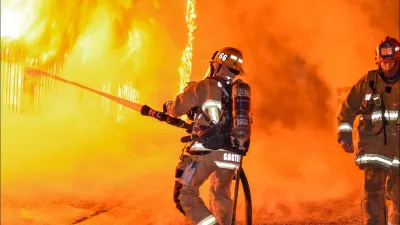
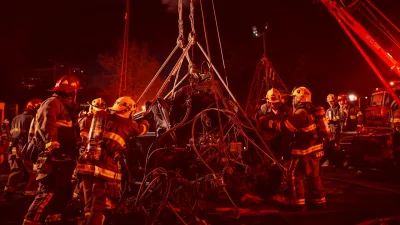
The confirmed facts surrounding the incident reveal a dire situation: a 4-alarm blaze erupted on the top floors of an apartment building, underscoring the potential for catastrophic outcomes in multi-story structures. The loss of life is a sobering reminder of the inherent risks firefighters face during such emergencies. The exact location within NYC and the number of injuries are still unknown, but the operational lessons learned from this incident are crucial for all fire service personnel.
Operational Considerations
This incident draws attention to several operational considerations that firefighters must prioritize during gas-related emergencies. One of the most pressing concerns is the management of water supply. In high-alarm situations, ensuring an adequate and reliable water source is essential for effective fire suppression. Firefighters must be adept at quickly identifying hydrant locations and assessing the flow capabilities to avoid delays in firefighting efforts.
Ventilation is another critical aspect that this incident highlights. Proper ventilation techniques can significantly impact the fire's behavior and the safety of both occupants and responding personnel. Firefighters should be well-trained in recognizing the need for ventilation and employing techniques that help to control smoke and heat, allowing for safer access to the fire and improved visibility.
Exposure concerns are also paramount in a multi-story building scenario. The potential for fire to spread to adjacent units or structures necessitates a proactive approach to exposure protection. Firefighters must be trained to identify vulnerable areas and implement strategies to mitigate the risk of fire spread, including the use of fire barriers and strategic placement of apparatus.
Training Takeaways + 15-Minute Drill Idea
This incident serves as a valuable teaching moment for fire service training programs. It underscores the importance of understanding gas-related emergencies, the rapid spread of fire in multi-story buildings, and the critical need for effective water supply and ventilation management. Firefighters should engage in regular training exercises that simulate these scenarios to enhance their readiness and response capabilities.
One effective training drill could focus on the rapid assessment of water supply during a multi-alarm incident. In this 15-minute drill, firefighters can practice locating hydrants using the hydrant-finder tool, calculating friction loss with the friction-loss-calculator, and determining the necessary flow rates for effective suppression. By incorporating these tools into training, firefighters can enhance their operational efficiency and decision-making skills in real-world situations.
Tool of the Week
In light of the recent incident, it is essential to equip firefighters with the right tools to enhance their operational effectiveness. The hydrant-finder tool is invaluable for quickly locating hydrants in urban environments, ensuring that water supply is secured without delay. Additionally, the friction-loss-calculator can assist in determining the required pressure and flow rates needed for efficient firefighting, especially in high-alarm situations. Lastly, utilizing the SCBA air calculator can help firefighters manage their air supply effectively during extended operations, ensuring they can maintain their safety while combating challenging fires.
As we reflect on this unfortunate incident, it is imperative to remember the lessons learned and continuously strive for improvement in our training and operational practices. By prioritizing preparedness and utilizing the appropriate tools, we can enhance our effectiveness in responding to emergencies and ultimately save lives.