
Managing Complex Vehicle Extrications in Major Traffic Collisions
Operational Overview of Multi-Vehicle Rescue Scenes
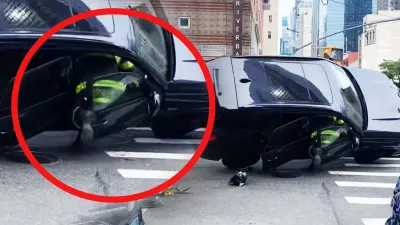
In large-scale car accidents involving multiple vehicles, firefighting crews face significant challenges in extricating trapped occupants safely and efficiently. The initial approach involves establishing scene safety through traffic control and hazard identification, including fuel leaks and unstable vehicles. Crews deploy personal protective equipment (PPE) and coordinate with EMS to prioritize patient care. Rapid assessment determines the number and condition of victims, guiding resource allocation and extrication strategies. The use of hydraulic rescue tools such as spreaders, cutters, and rams is critical to gain access without causing further injury. Maintaining communication between interior and exterior crews ensures synchronized operations and reduces risk during complex rescues.
Key Lessons in Crew Coordination and Patient Care
Successful extrication depends on clear incident command and teamwork. Assigning roles—such as pump operator, extrication crew, and EMS liaison—streamlines the operation. Stabilizing vehicles to prevent movement during cutting operations is essential, often requiring cribbing and struts. Continuous monitoring of patient status allows crews to adjust tactics, balancing speed with safety. Ventilation of the scene, including managing smoke or hazardous fumes, protects both victims and responders. This operational context highlights the importance of training in advanced extrication techniques and interagency cooperation to handle the complexities of major vehicle accidents effectively.
About This Video
This 02:15:06 Rescue video covers Critical Operations in Large-Scale Vehicle Extrications: Key Tactics and Crew Coordination. Topics include: vehicle extrication, car accident rescue, firefighter operations, crew coordination, patient stabilization, hydraulic rescue tools, incident command, scene safety, PPE, SCBA, extrication techniques, EMS integration.
Related Resources
Explore related firefighter Rescue guides, free firefighter tools and the hazmat reference hub.
Training Note
All videos on AllFirefighter are curated for training and operational awareness. Always follow your department SOP/SOG and consult current standards before applying any technique on the fireground.

Comments 0
No comments yet. Be the first to share your thoughts on this video!
Leave a Comment