
Operational Overview of the 10 Most Effective Airport Firefighting Trucks
Airport firefighting requires specialized apparatus designed to rapidly suppress aircraft fires and protect lives. The trucks featured represent the leading types of Aircraft Rescue and Firefighting (ARFF) vehicles, each equipped for specific operational roles. Understanding their capabilities and deployment tactics is crucial for ARFF crews and fire officers managing airport emergencies.
Key Features and Tactical Deployment
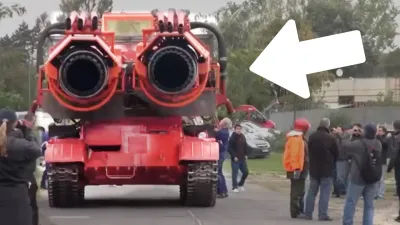
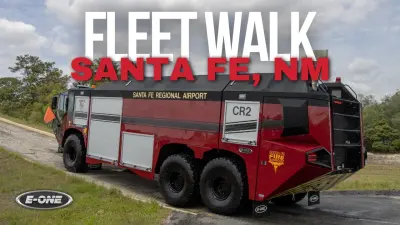
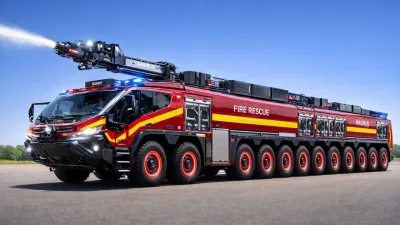
These ARFF trucks are equipped with high-capacity foam tanks, dry chemical agents, and powerful turrets capable of delivering large volumes of aqueous film-forming foam (AFFF) or other extinguishing agents. Crews operating these vehicles must quickly establish a safe perimeter while initiating aggressive exterior attack to control fuel-fed fires. The trucks’ rapid acceleration and off-road capabilities allow them to reach crash sites on airport grounds swiftly, often before standard structural firefighting units can arrive.
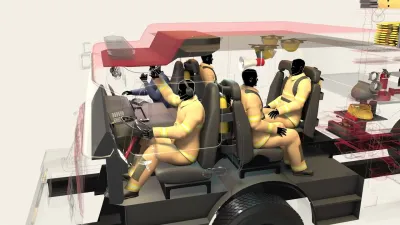
Many of these vehicles incorporate remote-controlled turrets and integrated detection systems to improve firefighter safety by reducing exposure in hazardous environments. The combination of foam application and dry chemical agents is critical for extinguishing jet fuel fires and preventing re-ignition. Proper PPE and SCBA use remain mandatory due to toxic smoke and potential flashover conditions.
Operational Lessons and Fireground Integration
Effective airport firefighting depends on coordinated teamwork between ARFF crews and airport emergency services. These trucks serve as the frontline suppression tools, enabling crews to contain fires quickly and protect passengers and airport infrastructure. Familiarity with the unique capabilities and limitations of each apparatus type allows officers to assign resources efficiently and adapt tactics to incident size and complexity.
In summary, these top 10 airport firefighting trucks demonstrate the importance of specialized equipment and well-trained crews in managing high-risk aviation emergencies. Continuous training on foam application, apparatus handling, and incident command integration ensures operational readiness and firefighter safety on the airfield.
About This Video
This 13:18 Apparatus video covers Top 10 Airport Firefighting Trucks: Operational Roles and Effectiveness. Topics include: airport firefighting, ARFF, firefighting trucks, foam operations, fireground tactics, airport rescue, crash fire rescue, PPE, SCBA, foam application, fire suppression, emergency response.
Related Resources
Explore related firefighter Apparatus guides, free firefighter tools and the hazmat reference hub.
Training Note
All videos on AllFirefighter are curated for training and operational awareness. Always follow your department SOP/SOG and consult current standards before applying any technique on the fireground.

Comments 0
No comments yet. Be the first to share your thoughts on this video!
Leave a Comment