
The 2025 wildfire season has emerged as one of the most destructive and relentless in North American history, leaving a trail of devastation across vast swaths of land. From parched forests in the Pacific Northwest to the tinderbox conditions of the Canadian boreal forests, relentless flames have engulfed millions of acres, destroying homes, displacing thousands, and challenging emergency responders like never before. As communities grapple with the aftermath, the fires have become a stark reminder of the growing threats posed by climate change and environmental mismanagement.
What began as isolated blazes quickly escalated into massive infernos fueled by record-breaking heatwaves, prolonged droughts, and fierce winds. Firefighters, many working around the clock under extreme conditions, have been stretched to their limits as they battle to contain the flames and protect vulnerable populations. The scale and intensity of these wildfires have tested the resilience of emergency systems and raised urgent questions about preparedness and resource allocation.
Unprecedented Scale and Impact of the 2025 Wildfires
This year’s wildfire season has shattered previous records, with over 15 million acres scorched across the United States and Canada by mid-summer. Regions that rarely faced significant fire threats are now grappling with unprecedented blazes. In California, Oregon, and Washington, vast stretches of forest have been reduced to ash, and entire towns have been evacuated as fire lines advanced rapidly. Across the border, Canadian provinces such as Alberta and British Columbia have witnessed massive wildfires that have consumed entire ecosystems and forced the evacuation of tens of thousands of residents.
The destruction extends beyond environmental damage. Hundreds of homes and businesses have been lost, livelihoods destroyed, and critical infrastructure damaged. The smoke from the fires has blanketed cities hundreds of miles away, causing severe air quality issues and public health emergencies. Hospitals have reported surges in respiratory problems, especially among vulnerable populations such as children and the elderly. The toll on communities has been profound, with many residents describing the experience as a “nightmare that never ends.”
Challenges Faced by Firefighters and Emergency Responders
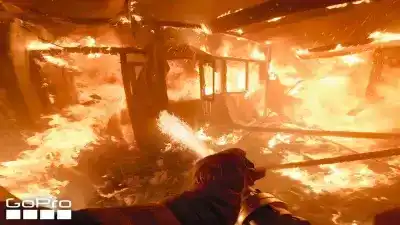
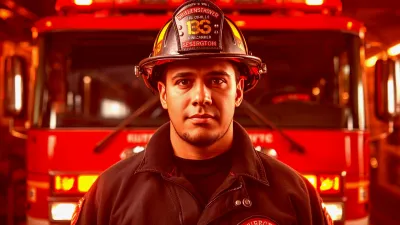
Fire crews have faced daunting challenges in their efforts to contain the wildfires. The combination of extreme weather conditions—high temperatures, low humidity, and strong winds—has created an environment where fires spread rapidly and unpredictably. This has made traditional firefighting tactics less effective and increased the risk to personnel on the front lines. Many firefighters have endured grueling shifts, often working for days without rest, battling not only the flames but also exhaustion and emotional strain.
Moreover, the sheer scale of the fires has stretched resources thin. Firefighting agencies have had to call in reinforcements from across the continent and even internationally. Air support, including water-dropping helicopters and airtankers, has been critical but often hampered by smoke and weather. Emergency coordination has been a massive logistical effort, involving local, state, provincial, and federal agencies working in tandem to prioritize evacuations, allocate resources, and communicate with the public.
One veteran firefighter reflected on the season’s severity: “We’ve never seen anything like this. The fires are bigger, faster, and more intense. It’s heartbreaking to watch communities we’ve protected for years being consumed in hours.” This emotional toll weighs heavily on those on the front lines, underscoring the human cost behind the headlines.
Long-Term Implications and the Path Forward
The 2025 wildfire season has exposed vulnerabilities in how North America manages its forests and wildfire risks. Experts warn that without significant changes, such catastrophic fire seasons will become the new normal. Climate change has been identified as a key driver, with rising temperatures and altered precipitation patterns creating conditions ripe for wildfires. Additionally, decades of fire suppression policies have led to the accumulation of dry vegetation, serving as fuel for the blazes.
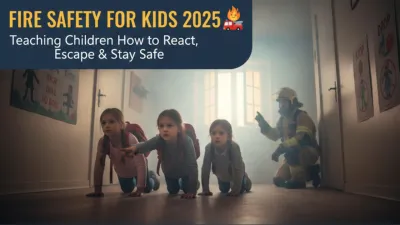
Communities and governments are now faced with the urgent need to adapt. This involves not only improving firefighting capabilities and emergency response systems but also investing in forest management practices such as controlled burns and vegetation thinning. Urban planning must also consider fire risks, with building codes and land-use policies designed to mitigate damage and enhance resilience. Public education campaigns are critical to ensure residents understand evacuation protocols and fire safety measures.
Environmental advocates emphasize the importance of addressing climate change to reduce the frequency and severity of future wildfires. “These fires are a clear signal that our planet is in crisis,” one expert noted. “We must act decisively to reduce emissions, protect natural landscapes, and support communities on the front lines of climate impacts.”
As the flames finally begin to subside in some regions, the road to recovery will be long and arduous. Rebuilding lives and ecosystems will take years, requiring sustained commitment and resources. Yet amid the devastation, stories of resilience and solidarity have emerged. Volunteers and neighbors have rallied to support those displaced, while indigenous communities have shared traditional knowledge in fire stewardship. These moments of humanity offer hope that, despite the challenges, North America can learn and adapt to a future where wildfires are an ever-present threat.
The 2025 wildfire season has not only scorched the land but also ignited a profound reckoning with the realities of a changing climate. As one displaced resident poignantly expressed, “We lost our home to the fire, but we haven’t lost our spirit.” That spirit will be essential as the continent confronts the growing wildfire crisis head-on.