Short answer: French filmmaking brothers Jules and Gédéon Naudet set out in May 2001 to make a documentary about Tony Benetatos, a 21-year-old "probie" (probationary firefighter) at FDNY's Engine 7/Ladder 1 firehouse in Lower Manhattan. On the morning of September 11, Jules was filming with Battalion Chief Joseph Pfeifer when he captured what became the only video footage of American Airlines Flight 11 striking the North Tower. The resulting film, simply titled 9/11, aired on CBS in March 2002 and remains one of the most-watched documentaries about the attacks — renewed interest is spiking again as the 25th anniversary approaches this September.
Few pieces of 9/11 footage are as historically significant, or as accidental, as the Naudet brothers' documentary. It began as a gentle coming-of-age story about a rookie New York City firefighter and ended up capturing history most of the world never saw happen in real time.
Who Is Tony Benetatos?
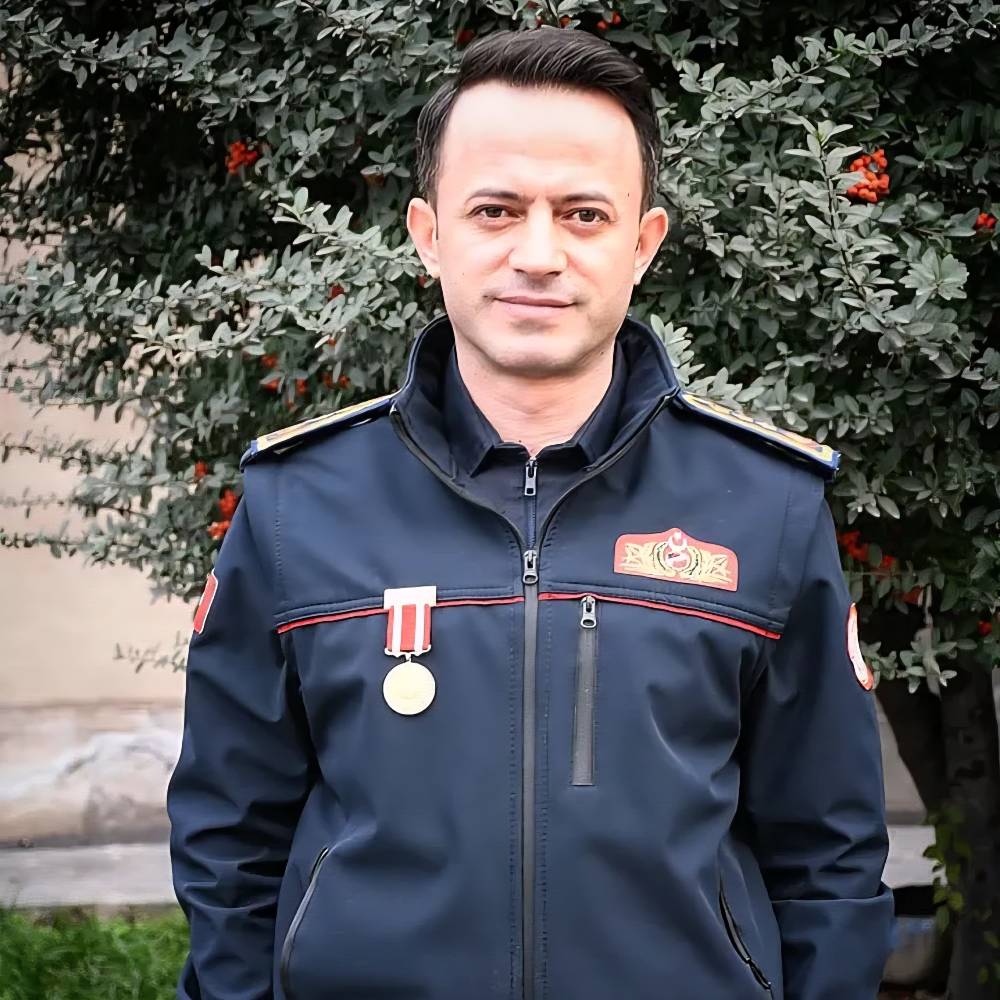
Antonios "Tony" Benetatos was a 21-year-old rookie firefighter — what the FDNY calls a "probie," short for probationary firefighter — assigned to Engine 7/Ladder 1/Battalion 1, a firehouse on Duane Street in Lower Manhattan, just a few blocks from the World Trade Center. In the spring of 2001, the Naudet brothers, working with their friend James Hanlon (a firefighter and actor at the same firehouse), got rare permission from the FDNY — its first since the 1970s — to film inside a firehouse. Their plan was simple: follow Benetatos through his nine-month probationary period and capture what it's really like to become a New York City firefighter.
The filmmakers spent months at the firehouse before the crew felt comfortable around them, and by their own account, struggled with one persistent problem for a documentary about firefighters: Benetatos never seemed to be on shift when his company was called to an actual fire.
The Morning Everything Changed
On the morning of September 11, 2001, Engine 7/Ladder 1 was dispatched to investigate a reported gas leak at the corner of Lispenard and Church Streets. Jules Naudet rode along with Battalion Chief Joseph Pfeifer to film the call, while his brother Gédéon stayed behind at the firehouse with Benetatos. As firefighters examined the source of the smell, the crew heard the unusually loud roar of a jet engine overhead. Jules pointed his camera skyward and captured the only video footage in existence of American Airlines Flight 11 striking the World Trade Center's North Tower — a piece of footage that has since been used in nearly every major documentary and news retrospective about the attacks.
Jules followed Chief Pfeifer into the North Tower lobby as a command post was established, capturing rare footage from inside the building during the response. Meanwhile, Gédéon — worried after losing contact with his brother — left the firehouse and headed toward the towers with his camera, eventually finding Jules safe. Benetatos, the "probie" the film had originally set out to follow, stayed behind at the firehouse fielding calls before eventually making his way to the site, where he remained searching the debris for survivors until around 6 p.m. that evening. Remarkably, every member of the crew followed in the documentary survived the day, though Chief Pfeifer's own brother, Engine 33 Lieutenant Kevin Pfeifer, was among the 343 FDNY members lost.
The Documentary's Legacy
The finished film, titled simply 9/11, aired on CBS on March 10, 2002, roughly six months after the attacks, narrated by actor Robert De Niro. It went on to win a Peabody Award and multiple Emmy Awards, and remains widely regarded as one of the most intimate and unflinching records of that day from a first-responder's perspective — notable for what filmmaker Jules Naudet has said was a deliberate choice not to sensationalize the tragedy but to honor the firefighters who lived through it.
Benetatos went on to serve for many years with the FDNY, rising to the rank of lieutenant by the mid-2010s, according to interviews given around past anniversaries. Jules and Gédéon Naudet have continued making documentaries together, including subsequent work on terrorism and national security, and have periodically returned to speak publicly about their experience as the anniversary approaches each year — including as part of the National September 11 Memorial & Museum's educational programming.
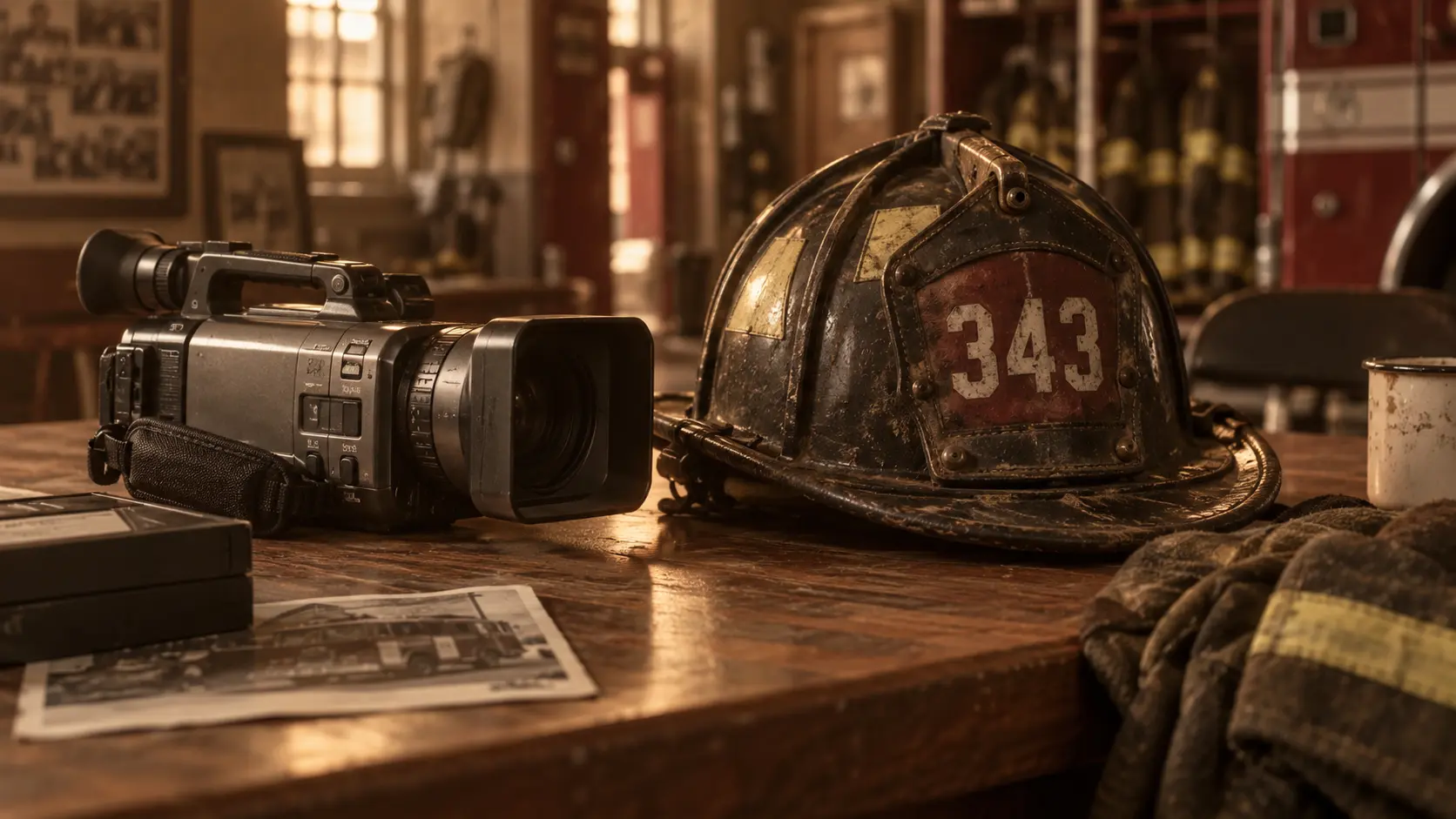
A story that started as a portrait of one rookie firefighter became, by accident of timing and circumstance, one of the most important visual records of September 11th. For more on the 343 FDNY members lost that day, see how many firefighters died on 9/11.

Comments 0
No comments yet. Be the first to share your thoughts!
Leave a Comment